
Top of Form
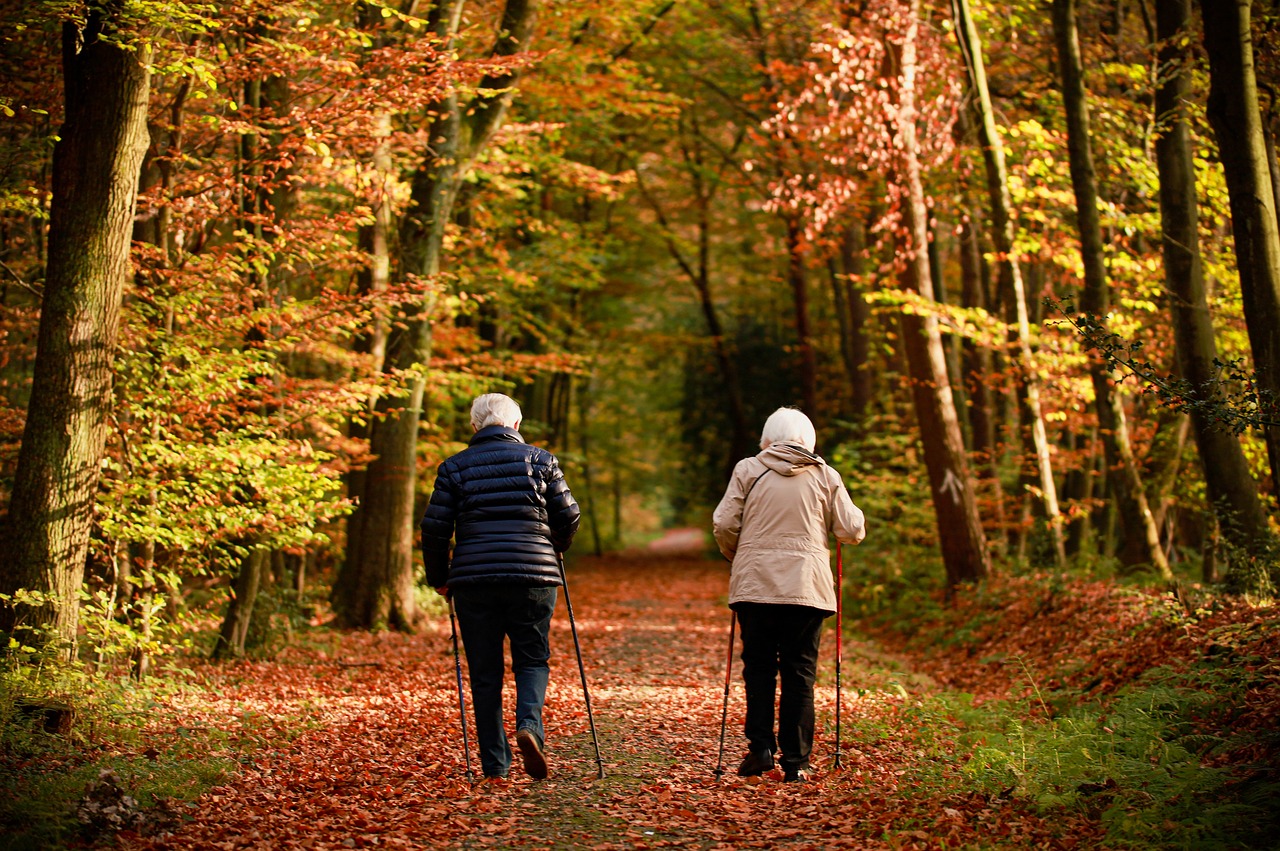
Pixabay License – Image By Randgruppe
Life often leads us down unexpected paths that can blossom into remarkable experiences. In the spring of 2018, a shift in my career trajectory as an events planner, led me to seek additional employment. With an open mind, I ventured into a local home health aide company and embarked on a new journey as a Personal Care Assistant after completing rigorous training and certification.
Filled with anticipation and a hint of nervousness, I set out on an April morning to meet my first client. Welcomed by a tall, smiling woman at her door, I sensed an immediate connection. As we conversed, it became evident that we were destined to make a formidable team. Guiding her as she led the way to her breakfast table, I prepared her meal and joined her for a shared moment.
Following breakfast, I tended to household chores, ensuring her surroundings were tidy as she indulged in her morning shower. After assisting her with dressing, we embarked on our daily routine, visiting her chiropractor, and tackling errands at the grocery store. One of her favorite activities was going to the gym and riding the exercise bike. We often laughed when she was tempted by the deli sandwiches at the gym’s cafe, and the call to eat a roast beef sandwich over shadowed her inspiration for a work out.
One of the most rewarding aspects of this role was the profound sense of fulfillment derived from knowing I was making a meaningful difference in someone’s life. Each morning, as I approached her door, I was met with eager anticipation, knowing that my presence was genuinely appreciated.
My subsequent assignment led me to a picturesque town nestled in the heart of Rappahannock County, Virginia. Following a long, winding driveway that ascended gracefully up the hillside, I arrived at a charming small house. Upon reaching the summit, I was greeted by a breathtaking panoramic vista of lush meadows and magical forests stretching as far as the eye could see. Waiting at the door in her wheelchair was a delicate-looking woman, her warm welcome contrasting with the casual flick of her cigarette butt onto the wooden deck before inviting me inside.
Days spent with her were enriched by the captivating tales of her upbringing in Rappahannock County, Virginia. Her family’s homestead sprawled across acres of farmland, nestled near the banks of the Hazel River, painting a vivid picture of rural life steeped in tradition and heritage.
After indulging in mornings filled with old westerns on TV, my client often sought my assistance in transcribing her poetry. Following these moments of creativity, my duties as a home health aide would resume, encompassing everything from helping with her bath to managing cleaning, laundry, and errands.
However, as the specter of COVID-19 loomed large on the horizon in late winter and early spring of 2020, the landscape of my work dramatically shifted. With the pandemic evolving from an unknown threat to a mass casualty concern, one of my client’s families made the difficult decision to suspend in-home aide services for safety reasons.
Amidst this upheaval, I found myself attending to the needs of three clients during the pandemic’s peak, donning protective gear—face mask, gloves—and armed with a thermometer as I navigated each day’s responsibilities.
As the crisis unfolded, the glaring issue of the shortage of home health aides became a focal point in the media. The abysmally low pay in the industry often compelled individuals to work double shifts or take on additional jobs to make ends meet.
Yet, amidst these challenges, it became increasingly evident that the broader societal conversation surrounding the elderly and disabled needed urgent attention. Ensuring the availability of adequately trained and fairly compensated home health aides emerged as a matter of utmost importance. For those reliant on aides for essential daily tasks, from personal hygiene to medical appointments and grocery shopping, their indispensable support is profoundly important.
To ensure an ample supply of well-trained home health aides, it is imperative to significantly increase the pay for these critical roles. Currently, wages often hover below $15.00 per hour, rendering it impossible for individuals to cover basic expenses such as rent. Moreover, many of these positions lack any form of benefits.
It is essential for our society to place a higher premium on the proper care of the elderly and disabled by enhancing the compensation for those who serve in these capacities. The work performed by home health aides is invaluable, and it defies logic that those responsible for safeguarding vulnerable populations are compensated at levels that condemn them to financial hardship.
If you have personal experience as a home health aide or have a loved one who relies on their assistance, I am eager to hear from you. What suggestions do you have for improving the quality of life for both aides and those who depend on them?
Copyright – Cynthia Fain – March 2024
 Compassionate Voices For Nature