Embracing Compassion: My Evolution as a Home Health Aide

Top of Form

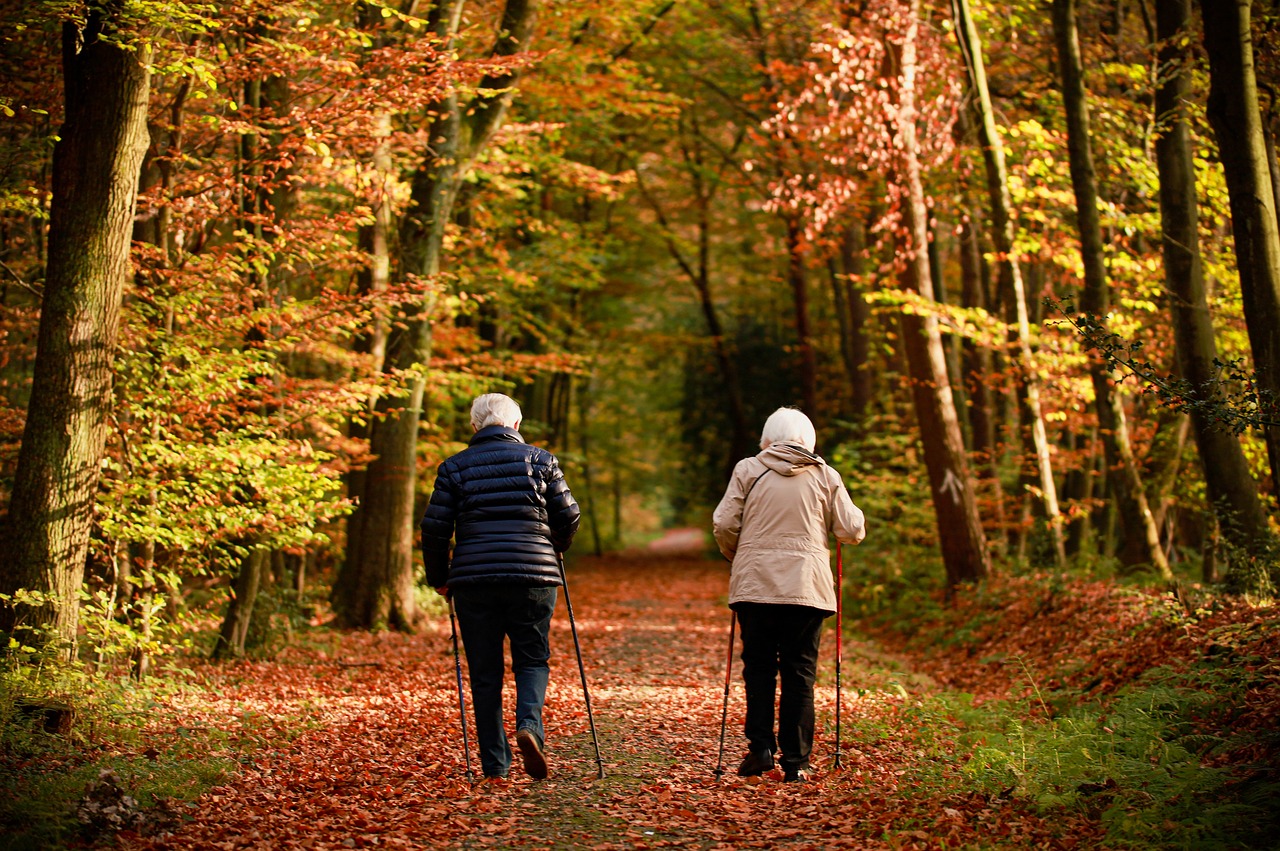
Pixabay License – Image By Randgruppe

Life often leads us down unexpected paths that can blossom into remarkable experiences. In the spring of 2018, a shift in my career trajectory as an events planner, led me to seek additional employment. With an open mind, I ventured into a local home health aide company and embarked on a new journey as a Personal Care Assistant after completing rigorous training and certification.

Filled with anticipation and a hint of nervousness, I set out on an April morning to meet my first client. Welcomed by a tall, smiling woman at her door, I sensed an immediate connection. As we conversed, it became evident that we were destined to make a formidable team. Guiding her as she led the way to her breakfast table, I prepared her meal and joined her for a shared moment.

Following breakfast, I tended to household chores, ensuring her surroundings were tidy as she indulged in her morning shower. After assisting her with dressing, we embarked on our daily routine, visiting her chiropractor, and tackling errands at the grocery store. One of her favorite activities was going to the gym and riding the exercise bike. We often laughed when she was tempted by the deli sandwiches at the gym’s cafe, and the call to eat a roast beef sandwich over shadowed her inspiration for a work out.

One of the most rewarding aspects of this role was the profound sense of fulfillment derived from knowing I was making a meaningful difference in someone’s life. Each morning, as I approached her door, I was met with eager anticipation, knowing that my presence was genuinely appreciated.

My subsequent assignment led me to a picturesque town nestled in the heart of Rappahannock County, Virginia. Following a long, winding driveway that ascended gracefully up the hillside, I arrived at a charming small house. Upon reaching the summit, I was greeted by a breathtaking panoramic vista of lush meadows and magical forests stretching as far as the eye could see. Waiting at the door in her wheelchair was a delicate-looking woman, her warm welcome contrasting with the casual flick of her cigarette butt onto the wooden deck before inviting me inside.

Days spent with her were enriched by the captivating tales of her upbringing in Rappahannock County, Virginia. Her family’s homestead sprawled across acres of farmland, nestled near the banks of the Hazel River, painting a vivid picture of rural life steeped in tradition and heritage.

After indulging in mornings filled with old westerns on TV, my client often sought my assistance in transcribing her poetry. Following these moments of creativity, my duties as a home health aide would resume, encompassing everything from helping with her bath to managing cleaning, laundry, and errands.

However, as the specter of COVID-19 loomed large on the horizon in late winter and early spring of 2020, the landscape of my work dramatically shifted. With the pandemic evolving from an unknown threat to a mass casualty concern, one of my client’s families made the difficult decision to suspend in-home aide services for safety reasons.

Amidst this upheaval, I found myself attending to the needs of three clients during the pandemic’s peak, donning protective gear—face mask, gloves—and armed with a thermometer as I navigated each day’s responsibilities.

As the crisis unfolded, the glaring issue of the shortage of home health aides became a focal point in the media. The abysmally low pay in the industry often compelled individuals to work double shifts or take on additional jobs to make ends meet.

Yet, amidst these challenges, it became increasingly evident that the broader societal conversation surrounding the elderly and disabled needed urgent attention. Ensuring the availability of adequately trained and fairly compensated home health aides emerged as a matter of utmost importance. For those reliant on aides for essential daily tasks, from personal hygiene to medical appointments and grocery shopping, their indispensable support is profoundly important.

To ensure an ample supply of well-trained home health aides, it is imperative to significantly increase the pay for these critical roles. Currently, wages often hover below $15.00 per hour, rendering it impossible for individuals to cover basic expenses such as rent. Moreover, many of these positions lack any form of benefits.

It is essential for our society to place a higher premium on the proper care of the elderly and disabled by enhancing the compensation for those who serve in these capacities. The work performed by home health aides is invaluable, and it defies logic that those responsible for safeguarding vulnerable populations are compensated at levels that condemn them to financial hardship.

If you have personal experience as a home health aide or have a loved one who relies on their assistance, I am eager to hear from you. What suggestions do you have for improving the quality of life for both aides and those who depend on them?

Copyright – Cynthia Fain – March 2024

ADVOCATING COMPASSION: ENSURING ETHICAL TREATMENT FOR MICE AND RATS

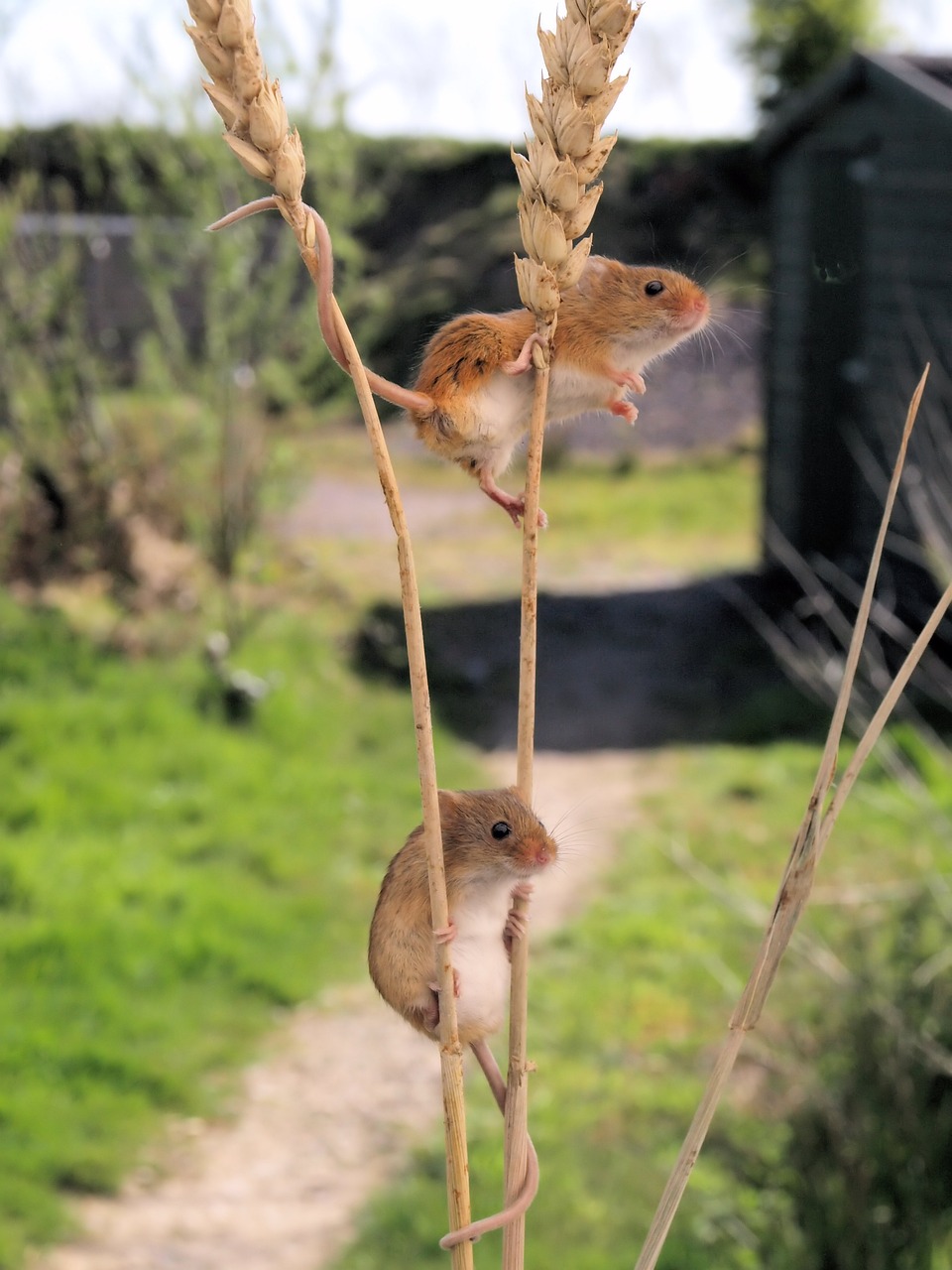
Photo by Greg 70 – Pixabay License

In my formative years, I resided within an apartment complex situated in Silver Spring, Maryland during the transformative decades of the 1960s and 70s. The complex’s waste disposal system was comprised of a noxious incinerator, where we disposed of our refuse. This pollution-emitting apparatus faltered on a scorching Memorial Day weekend, leaving large bags of trash strewn about. Decaying under the blistering sun, the rotting refuse attracted unexpected guests. An invasion of rats, drawn by the prospect of feasting on the garbage, migrated into the apartments. Faced with this rodent influx, the apartment management took swift action, enlisting the services of a pest control company. In an attempt to curb the rat population, the professionals strategically placed poison bait around the premises.

This heralded a huge shift in my perception of rodents, and how we as humans, need to find more humane ways to deal with their incursions into our homes.

The strategically placed poison bait, unfolded into a heart-wrenching tragedy for the rats, as the poisons administered ensured a protracted and agonizing demise. The toxins manifested in the form of slow, torturous deaths, amplifying the sounds of the rats desperately scratching and struggling to be liberated from their dying struggle in the walls. The specific rodenticide employed remains a mystery, but certain variants induce a gradual bleeding to death.

The lingering smell of decomposing rodent bodies and the haunting echoes of their final struggles left an indelible mark on my childhood consciousness. This traumatic experience instilled in me a firm belief that there must exist more compassionate and humane methods for addressing the presence of mice and rats in our living spaces.

Years later, in 1990, I secured a lease for an apartment in Gaithersburg, MD, where the management engaged a pest control company to distribute black boxes laden with rodenticide outside of the apartment buildings. Our complex bordered a serene creek and lush forest, serving as a haven for diverse bird species and wildlife.

Driven by a growing concern, I delved into researching the potential perils posed by these outdoor poison-laden boxes. Beyond the cruel fate awaiting rats and mice, I unearthed an additional threat to non-targeted birds and wildlife. The interconnectedness of the ecosystem became glaringly apparent – if a hawk were to consume a rodent that had succumbed to the poison, the majestic bird too would face a tragic demise. This revelation struck a personal chord as I recalled an incident during my volunteer work at a local wildlife sanctuary in Bowie, MD. A hawk, a victim of poisoning from a mouse it had ingested, sat dying in his cage. This tragic incident reinforced the urgent need for reevaluating our methods of pest control to safeguard both intended and unintended victims of these lethal measures.

Not wasting anytime, I wrote a letter to the President of the property management company outlining all the hazards these poison boxes pose, and explained how it does nothing to stop rodents from proliferating. The most important thing to do was to make sure there are no food sources for the rodents, such as trash not properly contained etc. The urgency of adopting more thoughtful and comprehensive pest control strategies, centered on addressing root causes and safeguarding the broader community, resonated throughout my impassioned plea.

Upon receiving a response from the President of the property management company, I was elated to see he was receptive to my ideas. Expressing gratitude for the information I had supplied, he informed me that they were swiftly discontinuing the use of poison boxes, opting instead for a more proactive approach through preventive measures. This news was an immense relief, dispelling the nightmarish prospect of numerous rodents and potentially even birds of prey succumbing to a tragic fate. The shift towards a more humane and environmentally conscious strategy marked a significant step forward in fostering a harmonious coexistence within our community.

Tragically, many retail and property management companies often rely on these outdoor poison boxes, and this continues to put many animals and birds at risk of a painful death. I encourage anyone that works for establishments that use these rodenticide boxes to speak out about the hazards and ineffectiveness of these poisons. Always rally for the use of humane and ecologically sound alternatives.

Another inhumane disaster used to kill rodents are these glue traps that amount to slow torture. They should have NEVER been approved of or used. How could anyone watch a mouse sit in agony dying slowly in a glue trap? I worked as a caretaker in a house where glue traps were set. Every day I went to work I dreaded seeing the mice alive and writhing in these traps. I tried to talk the people out of using the traps, but they would not take them up. I spent many days using cooking oil and a spatula to remove living mice from the glue traps.

This firsthand experience underscored the urgent need for reevaluating our methods of pest control, steering away from cruel practices that subject living beings to unnecessary suffering.

One of the most humane and effective approaches to deter rats and mice from infiltrating your home involves the use of exclusion tactics, employing materials like steel wool and boards. Some dedicated companies specialize in assessing your residence for potential mouse entry points and executing exclusion work. This safe and proven method offers a compelling alternative to the use of poison and glue traps, promoting a more ethical and sustainable approach to pest control.

In my personal experience, I have also found success with humane catch-and-release traps for mice that manage to find their way into the house. Vigilant monitoring of these traps is crucial, and releasing the captured mice promptly is essential to prevent dehydration or any unnecessary suffering.

Encouragingly, I hope more people will opt for these humane alternatives over the inhumane practices of poison and glue traps when addressing rodent issues. There exists no justification for the prolonged suffering inflicted by such methods. As awareness grows, and individuals embrace preventative measures and humane traps, we move closer to a day when the use of glue traps is banned, and the reliance on poisons is replaced by more compassionate and preventive strategies.

Copyright – Cynthia Fain – March 2024