Welcome to My New YouTube Channel + A Special Story: How Wally Changed My Perspective
Dear Friends,
I am so grateful for this community and our shared love for nature, animals, and the gentle wisdom they bring into our lives.
I am sorry for the long delay in posting to my blog. Over the last year I worked on the revision of my first book, “Mystical Animals of Ancient Oak” and finished writing the sequel to that book, “More Stories Along The Golden Path of Nature.” Now that those projects are in the their final stretch, I am returning to my blog, and have launched an exciting new venture.
Today, I am thrilled to share a new step in this journey with you: the launch of my new YouTube channel, The Mystical Golden Path of Nature!
Through this channel, I’ll be sharing stories, reflections, and video updates celebrating the deep connections we share with the natural world and the animal companions who walk alongside us.
To kick off the channel, I’ve just published a very personal video: “Mystical Animal Stories: How Wally Changed My Life & Perspective.”
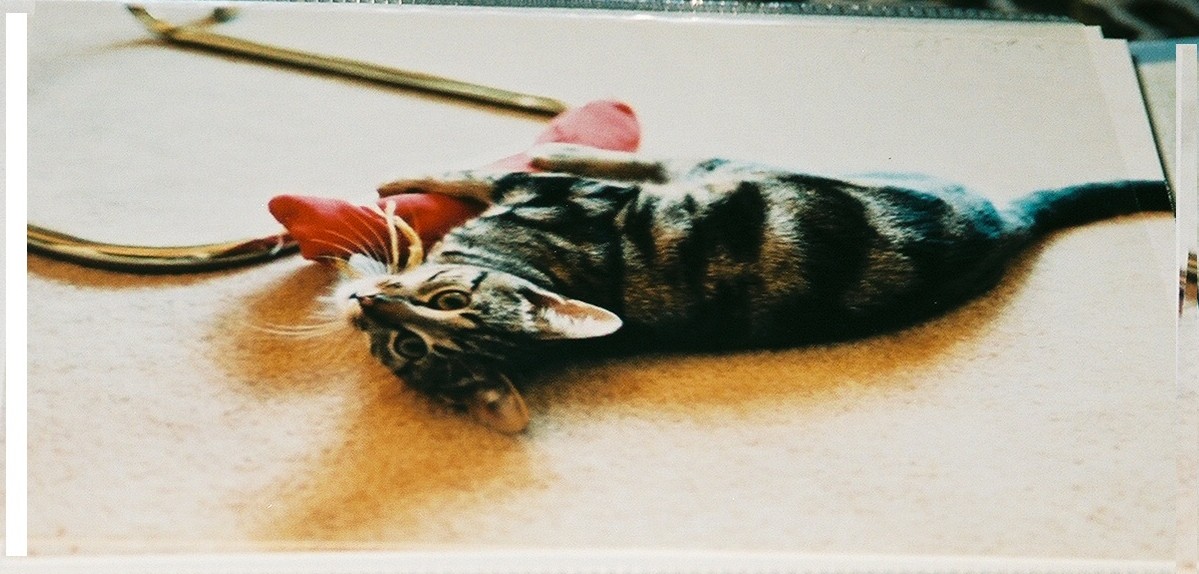
When my sister and her friend rescued an abandoned young cat behind a 7-Eleven store and brought him home to me, I thought I was simply opening my heart to an animal in need. It was only after he settled into our home that he became Wally—and over time, he went on to teach me profound lessons about overcoming obstacles, patience, and changing my perspective on life’s challenges.
Watch the full video right here:
Join the Journey! If you enjoy the story, I warmly invite you to visit https://www.youtube.com/@mysticalgoldenpath [The Mystical Golden Path of Nature YouTube Channel]and click Subscribe. That way, you’ll be notified whenever a new video or story is shared.
Has a special animal companion ever taught you an unexpected life lesson or changed your perspective? I would love to hear your thoughts in the comments below!
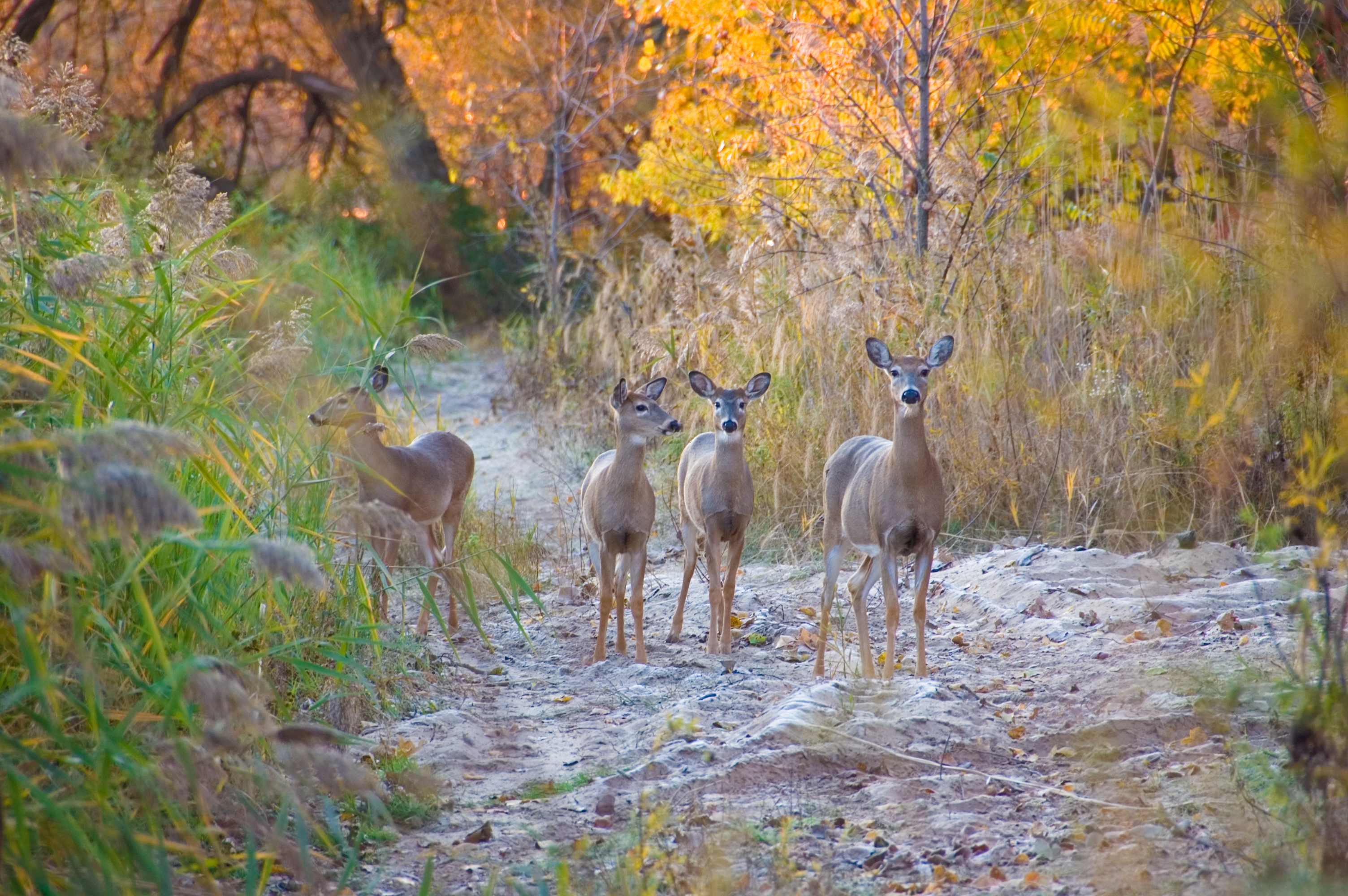
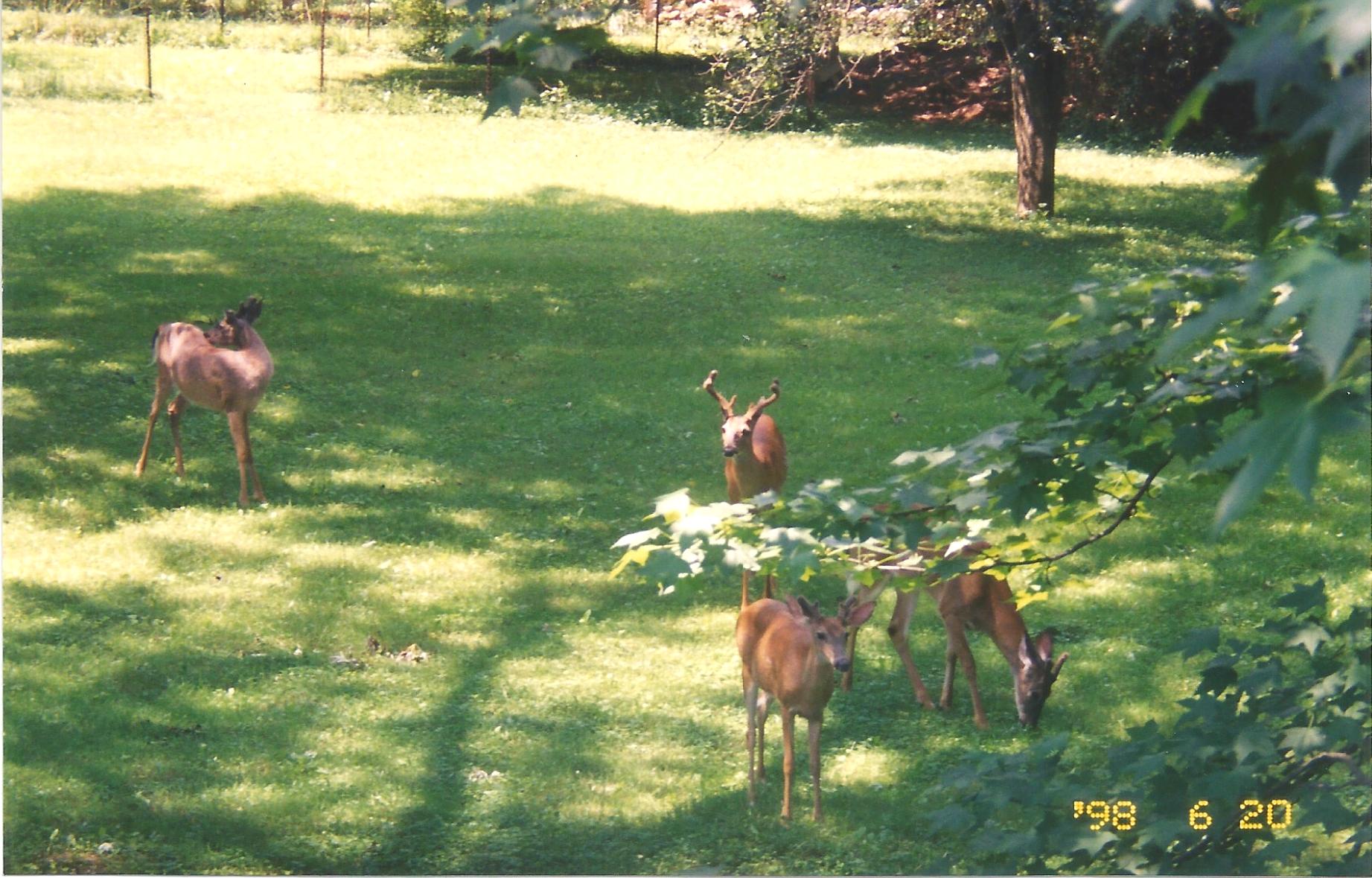
The violence inflicted upon deer never fails to shock me. I am left wondering not only why we resort to such cruel measures, but how these actions continue to garner widespread support. I was a resident of Montgomery County, Maryland, for decades, and during that time I found great compassion for the plight of the deer.
As housing developments, traffic, highways, and human overpopulation exploded, the deer were increasingly blamed for everything. My view always focused on what we were doing to cause deer to suffer.
The use of bow hunting in densely populated suburban areas raises serious ethical and safety questions. When non-lethal methods are available, why do we choose a method that carries a high risk of wounding and prolonged suffering, simply to avoid sharing our landscape and yards?
The inhumane challenges facing deer are in clear display upon reading two tragic stories on a Montgomery County neighborhood website. Something as simple as leaving sports netting, or other nets up, can have fatal consequences for wildlife.
In one instance, a deer became tangled in a net used for sports. Instead of finding a humane solution to freeing the deer, police shot the deer several times. There was no mention of the deer having serious injuries, meaning the option of sedation and untangling was likely viable. The second serious concern is that several bullets result in a painful, slow death. The humane standard for severely injured wildlife requires rapid, painless chemical euthanasia administered by a trained professional, not the dangerous and often prolonged use of multiple police rounds. This failure of protocol speaks volumes about our current priorities.
The Failure to Rescue
I then read about another shocking deer story that occurred in that same neighborhood. A fawn was left orphaned after his mother had been killed. From the details provided in the online story, it appears that no one was allowed to help the fawn. He was left to die of dehydration and starvation—a tragedy that is totally unacceptable.
This inaction is likely due to state or county laws that prohibit the rescue of seemingly abandoned fawns, even when the mother’s death is confirmed. These laws must be reviewed immediately to prioritize compassion over bureaucratic rigidity. There is no reason to leave an animal to die a slow death if there are licensed wildlife rehabilitators who are willing to help. The point of this blog post is that it is totally unacceptable to leave deer suffering, and putting them out of their misery is often necessary. But we need to do this in a humane way – which is not accomplished by shooting bullets and hoping that after several shots the animal might die. That is why I am proposing humane euthanasia, and when it is feasible, rehabilitation by a licensed rehabber.
But due to the bureaucracy involved in this – it would not be possible for a deer or fawn in distress to wait for an answer if they were injured. A licensed rehabber it appears needs special permission from Maryland DNR Wildlife & Heritage Service to engage in deer rehabilitation. This is another reason we need trained wildlife technicians (through Department of Natural Resources) to be able to respond to deer that are seriously injured or hit by cars.
The Wider Problem: Outdated Policies and Attitudes
These local tragedies are further proof that our wildlife laws and agencies are all too often governed by outdated and totally inhumane concepts. Instead of humanity being the guiding principle, violence is often resorted to.
I witnessed this failure firsthand years ago driving down Route 28 in Darnestown, MD. I pulled over to see a police officer standing over a fawn, pistol drawn, confirming the young deer had a broken back after being hit by a car. I asked if humane euthanasia was possible. The officer replied they had to shoot him.
To this day, I am despaired by the lack of a system for compassionate, immediate end-of-life care for suffering animals. I have seen deer suffer through many rounds of ammunition after horrific accidents, which only compounds the initial injury. (Stories of this horrific suffering inspired me to write about this issue extensively in my upcoming book, More Stories Along the Golden Path of Nature.)
There has to be a way to teach people how to drive with far more concern and awareness for animals. This in itself would go a long way towards reducing deaths and injuries of wild and domestic animals on our roads.
What are the Humane Alternatives?
As a society, we need to come up with a much more humane approach to dealing with deer and other wildlife issues. It is time to implement a comprehensive, community-focused, and non-lethal approach.
This includes exploring cutting-edge, proven methods like immunocontraception (fertility control) for deer populations, investing in wildlife corridors and fencing along major highways, as well as prioritizing driver education to reduce road collisions. Deer fencing is more reasonable approach to keep deer from your vegetable garden.
The Crown Farm in Gaithersburg, Maryland was once an oasis abundant with song birds, acres of land and historic structures. I had the pleasure of living in an apartment that over looked this picturesque ecosystem. Years after I moved, the farm died underneath a massive sprawl of pavement and development. Surrounded by highways and development, where did all the deer, birds, coyote and other wildlife have to go? . We need to include these birds and animals in our plans and create a more integrated system.
Humane Tip: Takedown the Netting!
Leaving a net unmonitored is a disaster waiting to happen, as I witnessed when I moved to Germantown, Maryland, next to a beautiful forest. When our neighbor placed netting around his young trees, I grew concerned it might turn into a death trap for wildlife.
On an afternoon walk, I saw a house wren desperately struggling for its life in the netting. The harder the bird pulled, the more he was strangling himself. I ran inside, grabbed a pair of manicure scissors, and very cautiously trimmed the netting away. After the last strand was cut, the grateful wren flew free. This close call proves that nets are deadly traps. I spoke to my neighbor about the near death of the bird in his netting, but he refused to remove the net. Needless to say I was intensely upset and disappointed.
If you use nets for sports activities, take them down immediately when not in use, or cover them up with a tarp to keep wildlife away. Avoid using nets around trees or the garden entirely.
Humane alternatives for protecting plants and trees include:
Physical Barriers: Using less harmful materials like polypropylene fabric, garden cloth, or natural burlap.
Visual Deterrents: Employing reflective tape or scarecrows.
Predator Decoys: Using realistic decoys like owls or hawks.
I strongly suggest checking any type of physical barrier every day to further ensure no birds or wild animals are caught and harmed.
A Plea for More Humanity:
The choice between bullets and compassion is not a complex one. The violence we inflict upon deer—from slow, traumatic deaths by multiple gunshots to allowing fawns to starve because of archaic laws—is a direct reflection of our own failure to prioritize humane values.
The loss of the Crown Farm, the suffering of a fawn on Route 28, and the silence from our regulatory agencies all stem from one core belief: that wildlife exists solely for our convenience, and when they inconvenience us, they must be eliminated.
We are capable of greater empathy. We have the technology, from immunocontraception to wildlife corridors, to mitigate conflict without bloodshed. What we need now is the collective moral will to demand that our wildlife management policies embrace humane policies as their guiding principle.
This is not just a plea for the deer; it is a plea for our own humanity. Let us choose compassion, demand accountability, and create a shared world where every life, wild or otherwise, is valued.
Pixabay License for fox photo (photographer Jeanette Atherton)
Every day, our human activities create hazards for wildlife. Roads, houses, technology, and speeding cars have replaced the natural rhythms and spaces wild animals rely on. But this doesn’t have to be a tragedy of our own making. By becoming more aware, we can take simple, essential steps to make the world a safer place for the creatures who share our planet. This post will share some of the most important actions we can take, starting with lessons I learned in my own backyard. My first and most heart-breaking lesson came when I moved to a house, proving that even a barrel of water can contain hidden dangers.
Several years ago, I rented a home surrounded by a lush meadow, a truly magical place where my cat, Minny Mouse, had a panoramic view of wildlife, from deer to songbirds. Minny’s favorite activity was watching a chipmunk that darted across the patio, constantly scurrying for seeds and nuts. Chasing him back and forth along the windowsill, she was convinced she would finally catch him.
A few weeks after we moved in, I saw Minny calmly sitting by the window and wondered why the chipmunk wasn’t up to his energetic routine. When the chipmunk didn’t appear, I grew concerned and investigated his mysterious disappearance.
Tragedy struck when I found the poor creature had drowned in a large barrel of water that the landlord had left on the patio. I scooped the body out and gently laid him to rest in the meadow. I carry that sadness with me, and it taught me an immediate, lifelong lesson: never leave water containers open and unattended. Now, I either turn barrels and buckets upside down, or, if the water is specifically for wildlife to drink, I always put a large stick or branch in the container. This simple addition acts as a ramp, giving smaller creatures a way to climb out and escape a tragic drowning.
The danger of standing water extends to swimming pools. Even a small frog or a tired songbird can get trapped. If you have a pool, you must have a safety mechanism for wildlife and amphibians. Consider installing a Frog Log, Skamper-Ramp, or other boarding steps. These simple safety precautions save lives. (Link to an article about swimming pools and safety for wildlife: https://www.humanegardener.com/wildlife-and-swimming-pools/)
Our responsibility to keep our property safe also extends to removing hazardous debris we leave behind, especially near natural water bodies.
While serving on the Environmental and Wildlife Rescue Committees in Montgomery Village, Maryland, I saw first-hand one of the most devastating human-caused hazards: discarded fishing line. This invisible enemy is a major source of deaths and debilitating injuries for birds, waterfowl, and turtles. The issue of fishing line entanglement is a serious danger that comes with devastating consequences. I was horrified watching a man at a local pond hook a turtle, only to violently jerk the hook out and toss the injured animal back into the water without a second thought. That callous disregard for life is a tough thing to witness, but it reinforces the need for our community to be vigilant. Whether you fish or not, if you are near a body of water, always be on the lookout for abandoned line. If you see it, please carefully gather it up, cut it into small pieces, and secure it in a proper trash receptacle.
Another hazard that silently kills millions of birds every year is found not on the ground, but in thewindows of our homes.
One simple remedy, to prevent these tragic deaths – is to put decals on your windows. These decals make the glass visible to birds by breaking up the reflection, showing them there is a solid surface, not just empty sky. This helps to re-direct the birds away from, fatal collisions. I have seen birds break their necks and suffer fatal injuries too many times when they fail to see a window and strike it headfirst. Amazon.com, Walmart.com and https://www.theaudubonshop.com/ are a few places you can purchase bird saving window decals.
The scale of this issue, however, extends far beyond residential homes, reaching the tall towers of our cities. According to the American Bird Conservancy migrating birds strike windows and are dying by the millions in the USA (https://abcbirds.org/news/bird-building-collisions-study-2024/.) To help avoid this catastrophe buildings can use protective measures which include turning off unnecessary lights during migration, especially at night; and adding decals to windows, using patterned films, or UV-patterned glass to prevent collisions.
As we work to protect wildlife from the world humans have built, we must also consider the threat posed by our beloved pets—our own domestic cats.
As a cat owner and a lover of nature, I understand the joy of watching a cat enjoy the outdoors. However, the decision to allow a cat to free-roam is perhaps one of the most critical choices we make regarding wildlife safety. Two humane solutions that I have used to let my cats spend time in nature are to walk them on a harness or let them sit in a portable pen.
My cat Shadow loved to be walked on his harness and spend time in his outdoor pen. As an additional precaution I bought Shadow a GPS tracker that I attached to his collar, in case he slipped out of his harness. When I used his portable outdoor pen, I always sat with him. He was never left unattended while in the pen. Often we sat by the edge of the forest and watched the deer and listened to the birds.
While living atop a huge hill near the Blue Ridge Mountains, Shadow and I went out on an adventure with him on his harness. As we approached a butterfly bush adorned in purple blossoms, I told Shadow, “We are at the top of the world on this spring evening!” And as the sun set, with pink hues illuminating the sky, Shadow looked around at all the magic nature provided.
To prevent injuries and deaths of birds, rabbits and other wildlife, I encourage people who want their cat to get outdoor time to use a harness or portable pen. This allows your cat to get vital time in nature and can save many thousands of bird and animal lives. This is also safer for your cat who can otherwise be hit by a car, attacked by another animal or get lost. Your cat can still enjoy the wonders of nature without posing a threat to wildlife by being walked on a harness, spending time in an outdoor portable pen or “catio” (cat patio).
We’ve addressed hazards we can see, but what about the dangers that are carefully concealed? An invisible killer that is used far too often are toxic rodenticides. Whenever you see those black boxes around office buildings, restaurants, and houses you are looking at one of the worst dangers to domestic animals and wildlife. These boxes are often filled with anti-coagulant poisoning which causes a slow death by internal bleeding. Not only is this an inhumane way for rats and mice to die – non targeted species like chipmunks can suffer a terrible death if they crawl into the boxes and eat the bait.
Secondary poisoning occurs when non targeted species consume the bodies of animals poisoned by the rodenticide. Thousands of birds and animals die from these poisons. Once these rodenticides enter the greater eco-system they spread danger to other animals and birds.
I believe the use of poisons should be universally banned. They cause tremendous suffering and should be replaced with humane alternatives. Absolutely never use glue traps. These torture devices should be banned as well. Animals struggle in a vain attempt to free themselves from the glue. I have used cooking oil to release mice caught in glue traps (at places where I worked), and the mice are exhausted and injured from their desperate struggle to free themselves.
Humane catch-and-release traps are a great alternative to poisons, but they must be monitored regularly so the trapped animals don’t die from dehydration or starvation. Better yet, focus on exclusion workto keep mice from entering your home in the first place. By finding areas rodents can enter your house and blocking the portals with steel wool or boards, you eliminate the problem without resorting to traps or toxins. Property management companies need to get educated about the danger to animals, wildlife, and even children when they place these rodenticide black boxes around buildings. For more information, please see this excellent article by The Wildlife Center of Virginia:
In fact, the most common and dangerous threat to both domestic and wild animals remain a hazard we encounter daily: the roads we drive on.
One of the most important things you can do to help animals is to drive with a commitment to slowing down and staying aware. People drive as though the wild or domestic animal jumping out in front of their car is something shocking and unexpected. But it is the other way around. We are shocking the animals who are simply being forced to navigate our intrusions. We need to learn to think like the animals do. When you speed down the road, there is always the chance that an animal will dart out. I tend to stay in the right lane because I know that I drive slower, I always slow down when I see any animal. That does not mean suddenly jamming on brakes, it means that you slow down enough so that you have safe reaction time.
The agony of seeing any animal hit and injured on the road is painful to witness. I have seen deer hit and trying to drag themselves off the road. I have seen groundhogs bleeding and struggling to breathe after being hit. One of my other blog posts documents the tragedy I saw when I lived in Culpeper, VA when a ground hog was hit by a driver who could have easily avoided the animal. (Why A Ground Hog’s Life Matters – https://compassionatevoicesfornature.com/2023/02/).
I have avoided hitting countless animals by driving slower and always anticipating that an animal can suddenly jump into traffic. If we all drove with more respect for each other, and more awareness of the animals around us, there would be far fewer fatalities. I suggest carrying the number of your local emergency animal control to call immediately when you see an injured animal on the road.
Sadly in the case of deer, you usually need to call the police who are not equipped to humanely euthanize deer. This is an issue I have been researching for years. I would like to see progress made towards a more compassionate response to hit and injured deer. One idea would be for licensed wildlife technicians to be dispatched that could humanely euthanize (not multiple hit and miss bullets in an injured deer). I am working on a second book of true stories about my experiences with animals and nature. One of my stories is called, “Cry of the Deer.” This story goes much deeper into the need for proper humane response to deer injured and dying due to car accidents.
I hope you enjoyed reading this article and are prepared to help create a more humane world. Many wildlife species want us to hear their cry. Please let me know what your suggestions are for creating a safer world for all of nature and animals. I would love to hear your thoughts and ideas on this.
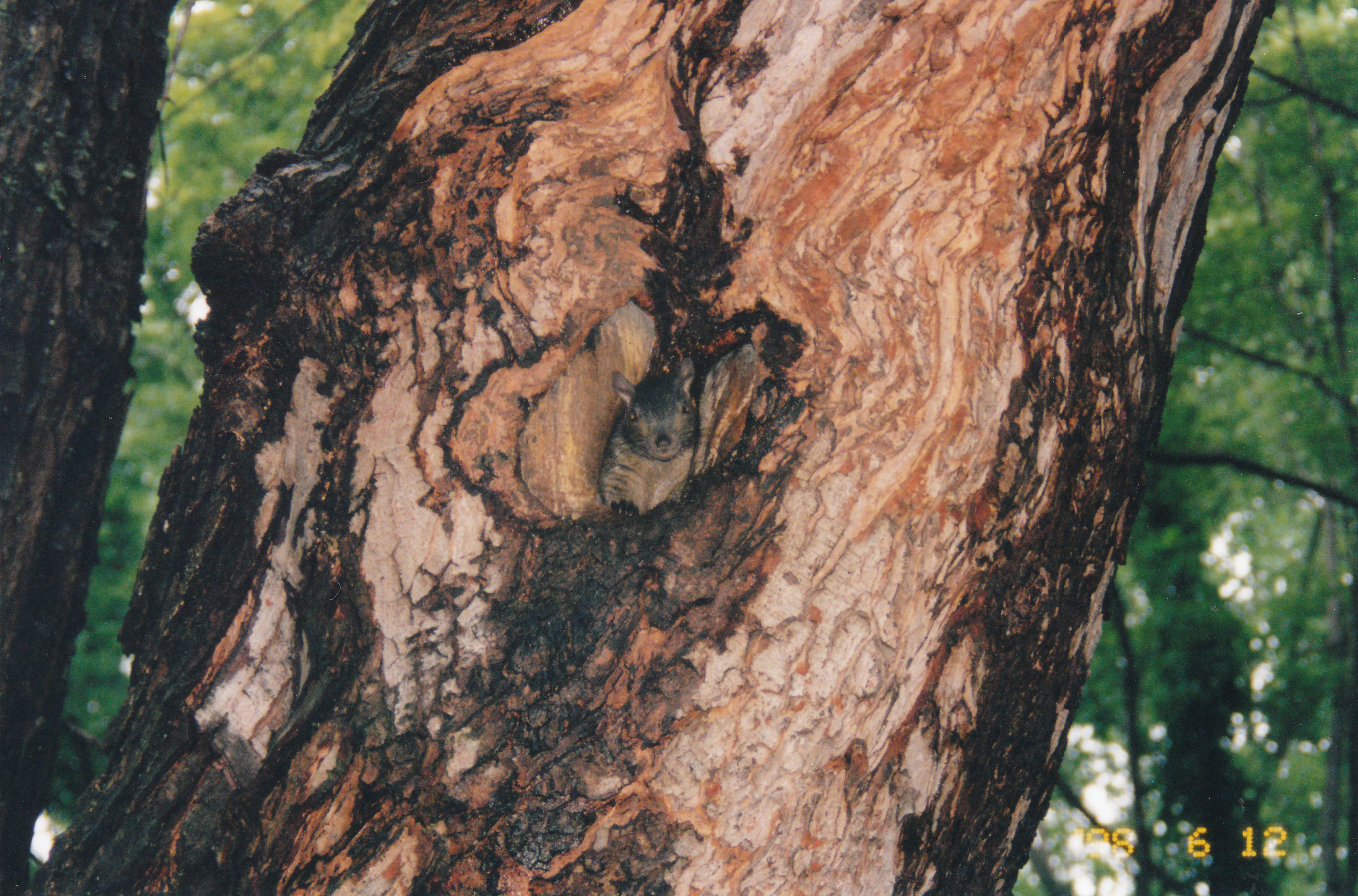
Copyright – Photograph taken by Cynthia Fain June 1998
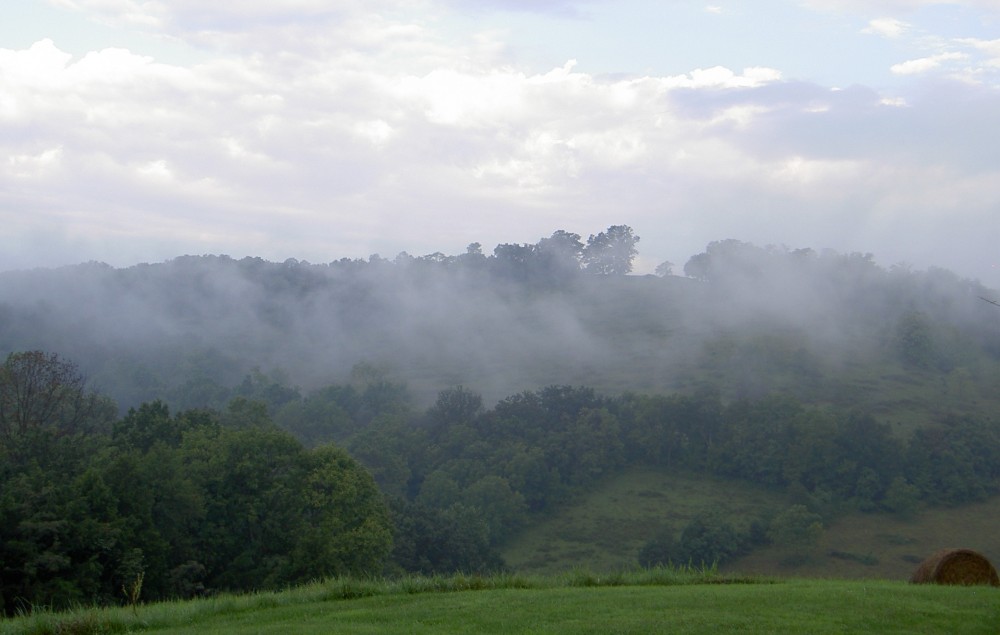
Tonight I am writing from a very magical place called Raphine, Virginia in Rockbridge County. Imbued with primordial ambiance, this area sits nestled between the Blue Ridge and Allegheny Mountains, where clean air and crystal blue skies abound. Woodlands, meadows and farms surround us and song bird melodies fill the air.
As the sunsets, a pink glow hovers over the mountains, and the creatures of the night emerge from their hidden realms. Darting fireflies create a grand illumination streaking through the woods while opossums forage for food and coyotes journey on their nightly prowl.
Prior to my time in Virginia, I had been a lifelong Montgomery County Maryland resident. A new era began for me in late 2010 when I moved to a cottage in Rappahannock County Virginia. Every morning was filled with magic, as I headed out to the forest and followed the trail to the creek. What an enchanted way to live, among nature and the foothills.
My plan to have a one year hiatus, turned into a twelve year journey through the Blue Ridge of Virginia. My adventures wove through Rappahannock County, Rockbridge County, Charlottesville, Virginia and finally off to Culpeper, Virginia. Throughout the years in Virginia, I reflected back to one of the most memorable times in my life, in the community of Ancient Oak in Darnestown, MD. The healing spirit that Ancient Oak brought me was not lost throughout the challenges of time.
I will never forget my mother and I taking our first exciting drive to the Ancient Oak neighborhood. It was the summer of 1996 and we had suffered through too many years in a condo with noisy neighbors. As soon as we turned onto Chestnut Oak Drive, charming houses with large meadows and trees, evoked a feeling of an era which has sadly vanished.
Neighborhoods with meadows, forests and ponds have tragically been destroyed by cookie cutter – high density housing. Every time a new neighborhood is built – more wild places that once harbored song birds, deer, creeks and trees – are turned into a sterile universe. Where are the magical places for people to explore? Why does everything have to turn to concrete, technology and huge overpriced houses?
Mystical Animals of Ancient Oak, my first book (currently being edited for re-publishing) captured the stories of the animals and birds that lived in our yard and defined the root of our experience. Every day the squirrels, birds, chipmunks, raccoons, ground hogs and deer created a tapestry of stories that brought meaning, joy and healing to my life. Whether it was Black Matriarch Squirrel boldly chasing the other squirrels away, Old Timer in his great last climb up the oak tree, or Neighborhood Bully the feisty orange tabby cat patrolling our yard, each day was a magical unfolding.
In today’s world of lifeless developments, where are the adventurous green places to explore? People are so fascinated by technology such as apps, iPhones, lap tops and artificial intelligence – we need more emphasis on the importance of nature.
As the suburbs turned into these cloned subdivisions – people became totally disconnected from wildlife. The deer have taken an insane amount of violence and hatred. All these people complaining about wanting all the deer killed – they are sitting on what was once the deer’s home, trails, and food source. I have never understood all this displaced anger on the deer. Every time we drive our cars, we are driving on what was once earth. We cannot imagine how a huge highway might have once been a forest, because all we see is our world of conveniences.
Whenever I see any animal that has been hit and killed on the roads, I always say a prayer. We may never know the amount of suffering caused to the animal kingdom by our driving and hitting all these animals. They too had their daily lives, and missions that tragically were cut short.
My message here is that our daily lives need to be more intertwined with a deep seated awareness of how much we need to give back to the planet and the creatures. Living in the Blue Ridge, nature is always around you; whether it is the mountains, the forests or farms. But upon returning to the suburbs, the air pollution, traffic, and concrete jungle are the challenges we face.
The stories of our time in Ancient Oak are profoundly important reminders of what we stand to lose if we do not take compassionate, focused care of the planet and her creatures. Finding the power and importance of the animals and their stories is a monumental key to preserving and restoring our environment – for humanity and well as the animals.
Always travel through your day with the awareness of the preciousness of all of life. Learn to see the stories in all the animals around you. Nature is asking us to step back into awareness, compassion and reconnection with her cycles. May everyday be a mystical journey with an abundance of nature and adventures.
In my formative years, I resided within an apartment complex situated in Silver Spring, Maryland during the transformative decades of the 1960s and 70s. The complex’s waste disposal system was comprised of a noxious incinerator, where we disposed of our refuse. This pollution-emitting apparatus faltered on a scorching Memorial Day weekend, leaving large bags of trash strewn about. Decaying under the blistering sun, the rotting refuse attracted unexpected guests. An invasion of rats, drawn by the prospect of feasting on the garbage, migrated into the apartments. Faced with this rodent influx, the apartment management took swift action, enlisting the services of a pest control company. In an attempt to curb the rat population, the professionals strategically placed poison bait around the premises.
This heralded a huge shift in my perception of rodents, and how we as humans, need to find more humane ways to deal with their incursions into our homes.
The strategically placed poison bait, unfolded into a heart-wrenching tragedy for the rats, as the poisons administered ensured a protracted and agonizing demise. The toxins manifested in the form of slow, torturous deaths, amplifying the sounds of the rats desperately scratching and struggling to be liberated from their dying struggle in the walls. The specific rodenticide employed remains a mystery, but certain variants induce a gradual bleeding to death.
The lingering smell of decomposing rodent bodies and the haunting echoes of their final struggles left an indelible mark on my childhood consciousness. This traumatic experience instilled in me a firm belief that there must exist more compassionate and humane methods for addressing the presence of mice and rats in our living spaces.
Years later, in 1990, I secured a lease for an apartment in Gaithersburg, MD, where the management engaged a pest control company to distribute black boxes laden with rodenticide outside of the apartment buildings. Our complex bordered a serene creek and lush forest, serving as a haven for diverse bird species and wildlife.
Driven by a growing concern, I delved into researching the potential perils posed by these outdoor poison-laden boxes. Beyond the cruel fate awaiting rats and mice, I unearthed an additional threat to non-targeted birds and wildlife. The interconnectedness of the ecosystem became glaringly apparent – if a hawk were to consume a rodent that had succumbed to the poison, the majestic bird too would face a tragic demise. This revelation struck a personal chord as I recalled an incident during my volunteer work at a local wildlife sanctuary in Bowie, MD. A hawk, a victim of poisoning from a mouse it had ingested, sat dying in his cage. This tragic incident reinforced the urgent need for reevaluating our methods of pest control to safeguard both intended and unintended victims of these lethal measures.
Not wasting anytime, I wrote a letter to the President of the property management company outlining all the hazards these poison boxes pose, and explained how it does nothing to stop rodents from proliferating. The most important thing to do was to make sure there are no food sources for the rodents, such as trash not properly contained etc. The urgency of adopting more thoughtful and comprehensive pest control strategies, centered on addressing root causes and safeguarding the broader community, resonated throughout my impassioned plea.
Upon receiving a response from the President of the property management company, I was elated to see he was receptive to my ideas. Expressing gratitude for the information I had supplied, he informed me that they were swiftly discontinuing the use of poison boxes, opting instead for a more proactive approach through preventive measures. This news was an immense relief, dispelling the nightmarish prospect of numerous rodents and potentially even birds of prey succumbing to a tragic fate. The shift towards a more humane and environmentally conscious strategy marked a significant step forward in fostering a harmonious coexistence within our community.
Tragically, many retail and property management companies often rely on these outdoor poison boxes, and this continues to put many animals and birds at risk of a painful death. I encourage anyone that works for establishments that use these rodenticide boxes to speak out about the hazards and ineffectiveness of these poisons. Always rally for the use of humane and ecologically sound alternatives.
Another inhumane disaster used to kill rodents are these glue traps that amount to slow torture. They should have NEVER been approved of or used. How could anyone watch a mouse sit in agony dying slowly in a glue trap? I worked as a caretaker in a house where glue traps were set. Every day I went to work I dreaded seeing the mice alive and writhing in these traps. I tried to talk the people out of using the traps, but they would not take them up. I spent many days using cooking oil and a spatula to remove living mice from the glue traps.
This firsthand experience underscored the urgent need for reevaluating our methods of pest control, steering away from cruel practices that subject living beings to unnecessary suffering.
One of the most humane and effective approaches to deter rats and mice from infiltrating your home involves the use of exclusion tactics, employing materials like steel wool and boards. Some dedicated companies specialize in assessing your residence for potential mouse entry points and executing exclusion work. This safe and proven method offers a compelling alternative to the use of poison and glue traps, promoting a more ethical and sustainable approach to pest control.
In my personal experience, I have also found success with humane catch-and-release traps for mice that manage to find their way into the house. Vigilant monitoring of these traps is crucial, and releasing the captured mice promptly is essential to prevent dehydration or any unnecessary suffering.
Encouragingly, I hope more people will opt for these humane alternatives over the inhumane practices of poison and glue traps when addressing rodent issues. There exists no justification for the prolonged suffering inflicted by such methods. As awareness grows, and individuals embrace preventative measures and humane traps, we move closer to a day when the use of glue traps is banned, and the reliance on poisons is replaced by more compassionate and preventive strategies.
IN MY PRIOR BLOG ENTRY I WROTE ABOUT THE IMPORTANCE OF POWERS OF OBSERVATION AND HOW WE CAN JOURNEY THROUGH THE EYES OF THE ANIMALS AND BIRDS AROUND US.
PEOPLE DO THINGS ALL THE TIME THAT ARE DETRIMENTAL TO NATURE AND THEY NEVER THINK ABOUT THE CONSEQUENCES.
WHY ARE PEOPLE STILL SPRAYING TOXIC PESTICIDES ON LAWNS? DON’T THEY UNDERSTAND THAT THE BIRDS AND MAMMALS ARE HAVING THEIR FOOD SOURCE COVERED IN CHECMICALS? AND THAT THOSE TOXINS RUN OFF INTO OUR GROUND WATER SUPPLY AND CREATE FURTHER CONTAMINATION?
I WILL NEVER FORGET THE BIRDS THAT WOULD COME TO OUR BALCONY AFTER OUR APARTMENT COMPLEX DID A SPRING PESTICIDE SPRAY. EVERY YEAR WE WOULD SEE BIRDS SICK AND DYING ON OUR BALCONY. IN AN ATTEMPT TO SAVE THEIR LIVES, I WOULD SCOOP THEM UP AND DRIVE THEM TO A LOCAL WILDLIFE REHABILITATOR.
AT ANOTHER APARTMENT WHERE I LIVED, I WROTE A LETTER TO THE PRESIDENT OF THE COMPANY ALERTING HIM TO THE FACT THAT THEIR PESTICIDE COMPANY WAS SPRAYING AN OVER LOAD OF CHEMICALS ONTO TREES WITH NESTING BIRDS. I ALSO MENTIONED THE FACT THAT THE CHEMICAL RUN OFF WAS DRAINING INTO THE CREEK AT THE BOTTOM OF THE HILL.
MY LETTER WAS A SUCCESS! THE PRESIDENT OF THE PROPERTY MANAGEMENT COMPANY WROTE ME BACK SAYING THAT THEY WERE SWITCHING OVER TO INTEGRATED PEST MANAGEMENT. IPM REDUCES THE NEED FOR PESTICIDES AND IT FOCUSES ON WAYS TO PREVENT DAMAGE FROM INSECTS.
MORNING RAYS OF SUNLIGHT CAST A GOLDEN GLOW THROUGH THE FOREST THAT SITS BEHIND MY HOME. MANY BIRD SPECIES, INCLUDING CARDINALS AND CAROLINA WRENS, LIGHT UP THE WOODLAND WITH THEIR SONGS.
ONE AFTERNOON I WAS PUTTING BIRDSEED OUT BACK WHEN I NOTICED A HOUSE WREN TANGLED IN SOME TYPE OF NETTING THAT WAS AROUND A BUSH MY NEIGHBOR WAS GROWING. THE WREN WAS FRANTICALLY TRYING TO FREE HIMSELF AND THE HARDER HE PULLED, THE TIGHTER THE NET WAS BECOMING.WHAT HAD BEEN PLACED AS A PROTECTION FOR THE GROWING BUSH, WAS NOW A POTENTIALLY LETHAL TRAP FOR AN UNSUSPECTING BIRD.
AT FIRST I ATTEMPTED TO FREE THE BIRD BY CAUTIOUSLY USING MY HANDS TO UNTANGLE HIM. BUT THE NET AROUND HIS NECK WAS PULLING TOO TIGHT FOR MY HANDS TO FREE HIM.
I RAN TO MY CAR AND GRABBED A PAIR OF SCISSORS AND CAREFULLY WORKED AT CUTTING THE NET AROUND HIS NECK.
FREEDOM FOR THE AILING BIRD WAS FINALLY ACHEIVED AS THE NET WAS CUT FROM HIS NECK! NOT KNOWING WHETHER THE FLUTTERING OF HIS WINGS WAS FROM INJURY OR EXUBERANCE, I FEARED HE MIGHT HAVE A BROKEN WING.
I WAS ELATED WHEN HE FLEW UP TO A BUSH AND SAT RECOVERING, AND THEN HE SOARED UP TO THE TREES IN THE FOREST.
AFTER THIS UPSETTING INCIDENT, I SPOKE TO MY NEIGHBOR ABOUT THE POTENTIAL HAZARDS OF THIS NETTING. UNFORTUNATELY THE NEIGHBOR NEVER TOOK THE NET DOWN, AND I GO OUT EVERYDAY AND CHECK IT FOR ANY BIRDS.
PEOPLE SHOULD MAKE IT A HABIT TO EDUCATE THEMSELVES ABOUT NATURE AND WILDLIFE AND MAKE SAFER AND MORE HUMANE CHOICES.
STAYING VIGILANT IS THE KEY TO HELPING OUR ANIMAL AND BIRD FRIENDS STAY SAFE. WHAT DO YOU SEE ON YOUR DAYS JOURNEY THAT COULD NEED A MORE SOLUTION?PLEASE SEND ME YOUR THOUGHTS ON THIS POST. WHAT IDEAS DO YOU HAVE FOR PROTECING WILDLIFE?
All living creatures have a right to live, be treated humanely and respected. In my heart, I believe that humanity needs to broaden its concept of other life forms and put more emphasis on building an inclusive world. We were never meant to construct our human world so selfishly, and trample on the lives of other beings.
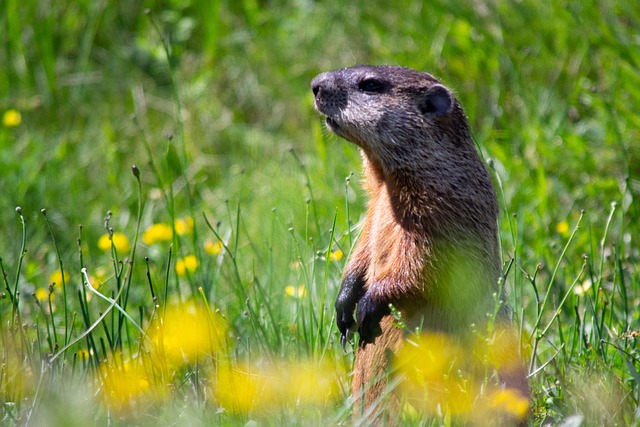
One of my stories, written in my first book, Mystical Animals of Ancient Oak, is about a family of groundhogs that took over our yard. It was the sping of 1997 when an anxious groundhog mother foraged for things in our meadow and scrambled into her tunnels. We were delighted when several curious baby groundhogs emerged from their protective tunnels and began their mischevious explorations of our yard. The years at Ancient Oak brought me a deeper appreciation of the inspiration that all living creatures bring us.
On a breezy, sunny morning in August of 2022 I was driving out of my cul de sac in Culpeper, Virginia and I turned onto a side street heading towards the railroad tracks. A car drove towards me and thought I saw something blow across the road. After the car passed I was agonized to see that what was struggling in the road was a groundhog that had just been hit by a car. I could see no reason this motorist couldn’t have stopped, being that this side street had sparse traffic and there was no weather or anything obstructing vision.
Desperately stuggling to get out of the road, the dying groundhog gasped for breath. His body was in death throws and I knew that any rescue attempt would probably cause him more pain. On many occassions I have pulled over to rescue turtles, birds and other creatures that were hit ont he road. But the extent of the groundhog’s injuries left him taking his last breath. I felt such despair knowing that the driver could have easily slowed down to avoid this animal.
Sadlly this type of scene plays out whereever there are automobiles and roads. I know that a driver committed to safety for humans as well as animals can make a major impact in lessening these fatalities on the road. The first thing is that people need to stop thinking of animals as expendable road kill. Every animal values their life as much as we do as humans. That one groundhog was on his important mission that day simply trying to navigate his way on a Culpeper, Virginia side street.
Over the last decades as development has increased, with more cars on the road the level of agression in people has skyrocketed. We need to all slow down and make safety and compassion a priority over every man for himself type of driving.
I hope everyone reading this blog post will find it in their heart to remember that our cars and roads are treading on areas that were once forest and animal habitat. This blog post honors the life of a groundhog that was simply trying to navigate his way on a residential street in Culpeper, Virginia and lost his sacred life. Let’s remember as we hurry through our day to slow down and yield to other species as they embark on their day’s journey.
This evening I read on line that Fairfax County Virginia is starting a bow hunting season on deer. As anyone who has read my blog or Face Book posts knows, I am totally against these managed hunts of deer. Bow hunting is profoundly cruel and often results in prolonged suffering as deer don’t usually die quickly and they bleed to death. The counties around Virginia and Maryland have severely over developed the land and have left no continuous habitat for deer and other wildlife. People have been selfishly taught that deer are in the wrong and that they need to be killed in mass. When in fact, humans have taken control of too much land and natural resources leaving wildlife out of the plan. When we speed around in our cars and don’t think of the needs of wildlife – there are bound to be accidents. I want to encourage people and communities to stop what I call the war on wildlife and show some empathy for the severe mess we have caused deer and other animals. Our local governments try and deal with deer by mass killing and this is giving people the idea that deer are to be feared and hated. I always appreciated the deer and found their presence an important part of the eco-system and my community. That is why I wrote my book Mystical Animals of Ancient Oak.
This is taken from information on the Internet in September 2016-
REST IN PEACE, GP JULES KOMBI KAMBALE
He Died Protecting Gorillas
ICCN Virunga Ranger Jules Kombi Kambale was killed in action on Thursday, 1 September, in a militant attack at Gatovu. The ranger team was tracking gorillas, which have been the increased focus of militants in the area. He and his ranger team were tracking gorillas which were being protected from poachers.
He left behind his wife who is five months pregnant.
I include this tragic news on my blog this evening to remember those that we may never meet or hear about, but they are out in the world protecting people or animals. In this case, we have a young man who gave his life in service to protecting gorillas and other wildlife in Rawanda.
When I think about the way we have bull dozed our way over our native wildlife habitat and then kill them to build our homes – I feel such anger and sorrow. Let’s treat all animals like they are worth protecting.
While many of us have comfortable homes – we forget we are living, working and driving on what was once the sacred ground of other species.
So tonight let’s honor ICCN Virunga Ranger Jules Kombi Kambale – who most of us would never have heard of without social media such as Facebook which is circulating memorials to him in honor of his service to wildife protection. He died young and died in service to our imperiled African Wildlife.