Whispers of Healing: Honoring My Magical Cat Companions

SHADOW’S RESCUE – JUNE 2011

The silence on this blog has been a reflection of my emotions, mirroring the sorrow that fell over my heart after the passing of my beloved cat, Shadow. Grief stole my words for a time. In honoring his memory, I find solace in sharing stories of incredible feline companions who have shaped my life. These cats brought remarkable healing, companionship, and purpose to my life.

The grief we experience when our companion animals pass is immeasurable. Writing and journaling about my memories helps me cope with the loss and allows me to honor their amazing lives and contributions.

Every day since his passing on November 15, 2024, I have cried and reflected on our time together. I believe the angels guided Shadow to me in his darkest hour in June 2011.

A despairing cry echoed from the parking lot outside my cottage on a warm, humid June night. Gripped by the chilling sound of a life-or-death struggle, my heart pounded as I bolted toward the front door, flinging it open and running into the dimly lit parking lot.

The cat’s eyes gazed up at me, silently pleading for help; his frail body a testament to the long, perilous journey he had endured. Without a second thought, I rushed into my cottage, grabbed a can of Wellness cat food, and placed it in front of him. He devoured it with desperate speed, as though it were his first meal in ages.

Tearing up, I thought to myself, “Who in God’s name could have abandoned this cat?” He was a gentle soul and clearly had been someone’s pet. From that night on, knowing that I was meant to keep him, Shadow and I shared a great bond.

I soon learned he was full of personality, love, and a great enthusiasm for life. Whether he was charging for his food, dashing up a tree, enthusiastically walking on his harness, or sleeping with his head on my shoulder, Shadow put his heart into all his endeavors.

Tonight, I miss him dearly. Throughout his life, he always showed his deep appreciation for my rescuing him on that fateful night. May we meet again, share more fun times, and forge new horizons. Shadow, you are loved and missed!
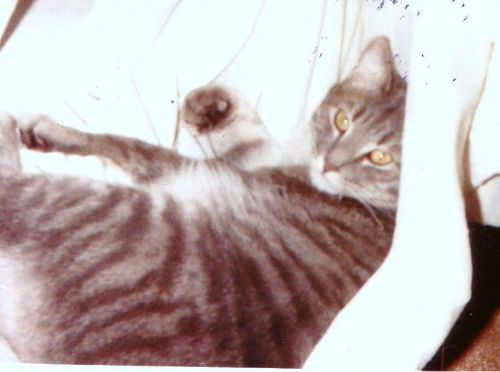
BUCKY – THE CAT THAT SAVED MY LIFE

Cats seem to show up in our lives in the most ingenious ways, and when we need them the most. Anyone who has ever endured a dark night of the soul journey knows what a relief it is when a ray of light or love breaks through.

On a cold, dreary, rainy November day, a crying kitten sat outside my apartment near the University of Maryland. My heart could not bear the sight of a hungry and traumatized kitten sitting in the rain. I wasted no time scooping him up and bringing him into my apartment. Ignoring the management’s stern warnings about not keeping pets, I named him Bucky and proceeded to make his first veterinary appointment.

After Bucky’s examination, the veterinarian said he could use some groceries and that his muteness was likely due to an untreated respiratory condition.

Bucky’s appearance at my door happened shortly after my father, Martin Fain’s, death. Tragically, at just 55 years old, he passed away on August 31, 1982. My life had fallen into a severe depression and total loss of direction. In the aftermath of his death, I walked through the valleys of despair and fear that engulfed me.

Bucky’s entrance into my life was a soul awakening. Every morning, his little paws walked all over my face in an awkward attempt to awaken me for his food. Feeling him prance all over me, I knew God had important plans for me!

Bucky’s spirit pulled me from the abyss of my most challenging time. He stole my heart with his soft meow and fumbling to climb onto the couch. The aroma of a new loaf of bread sent him rushing to the kitchen, where he quickly pounced on the bread and began biting into it. Running down the hall, his favorite game was competing with my cat Wally for the stack of pillows in my mother’s old bedroom. After outrunning Wally, Bucky proudly sat like a king on the throne of pillows as Wally, feeling defeated, retreated down the hallway.

Bucky’s arrival turned into a life-saving change, bringing me joy, purpose, and a new view of life. I re-enrolled at the University of Maryland and pursued my B. A in Government and Politics. Back on track and gaining speed, I graduated in May of 1985.

The time following my father’s passing was the darkest and most terrifying of my life. Against that backdrop of despair, a gentle grey tabby appeared on a cold November day, a small miracle. Bucky’s light, love, and encouragement were a lifeline, and I am forever thankful for all that he brought me.
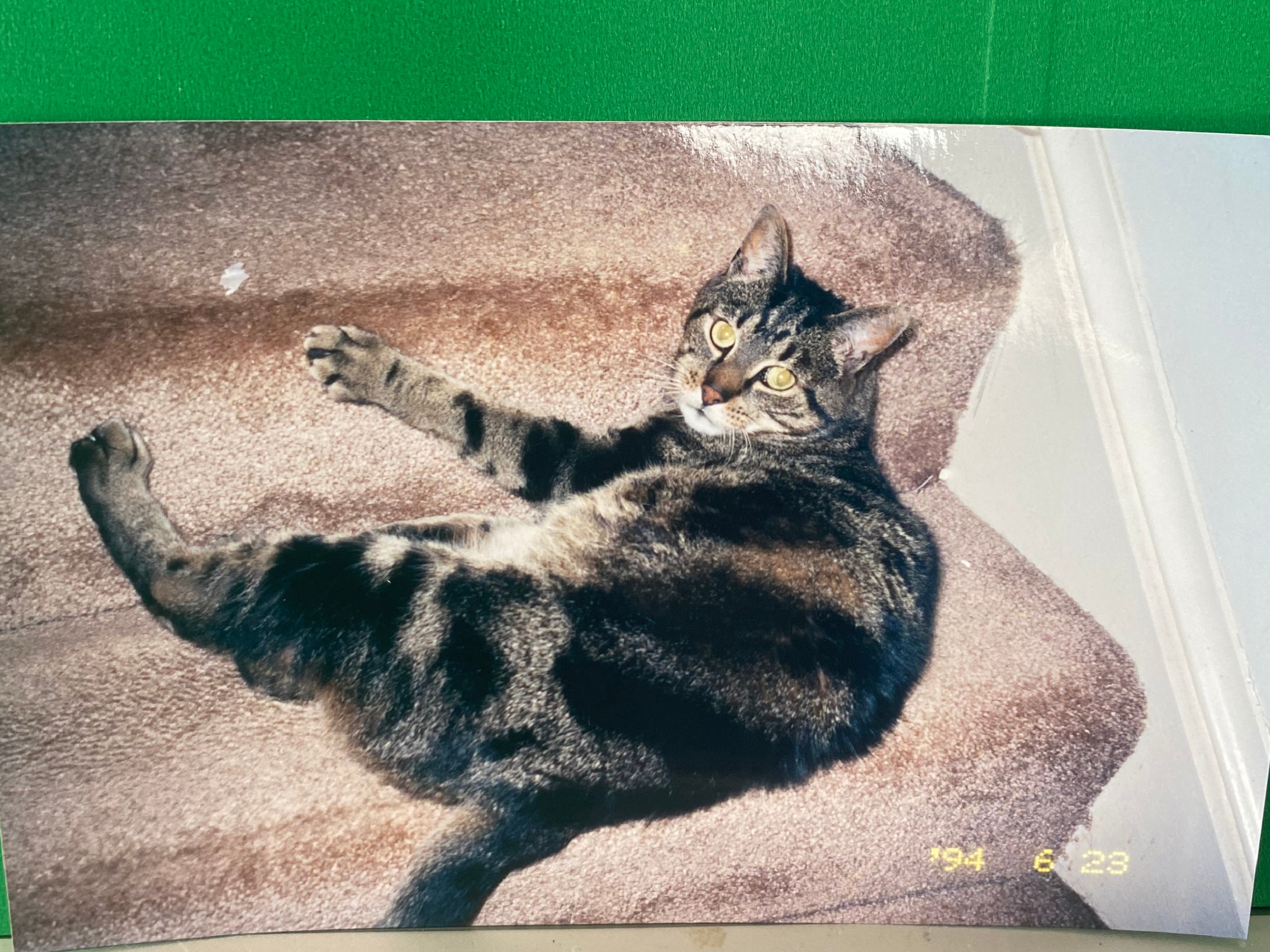
WALLY – A MOST MAGICAL CAT

A mysterious teacher entered my life at the end of 1988.

On a cold winter night in January 1988, my sister and her friend stopped by a Seven-Eleven store near the University of Maryland. They sprang into rescue mode when they saw an emaciated tabby kitten and its twin sibling feeding on handouts of French fries. Gravely concerned about the plight of the sibling kittens, they managed to lure one of the cats into her car. Tragically, as the other kitten was approached, he dashed into the night. Unable to find him, they left the Seven-Eleven, grieved, wondering if the kitten would eventually find help.

Upon returning from the store, my sister entered the house with a bulging coat. Curiously eyeing what looked like a pregnancy, I asked, “What is that moving under your coat?” She unzipped her coat, and out popped the kitten, eager to explore his new home. After watching him enthusiastically investigate his new surroundings, we all came up with the name Wally.

Over the following weeks, as I observed Wally, I noticed his unique way of communicating. Tuning into my energy, he intently scanned my posture and expressions. With eyes that seemed to pierce through dimensions, he curiously investigated my emotional state. Then, having gathered all the information he needed, he would suddenly take off in a burst of playful energy, zooming around the house.

Eager to display his speed and agility, he challenged our pugs to a wrestling match on the stairs. He could easily outpace the dogs, leaving them outwitted, frustrated, and panting.

Wally was a great protector. Coming home late at night, I cautiously walked through the courtyard of our apartment complex. Looking around, I carefully surveyed my surroundings, ensuring I was not being followed. Always anticipating my arrival, Wally diligently kept guard at the window above the courtyard, and with his keen eye, followed me until I safely made it upstairs.

In 2001, Wally began experiencing persistent digestive upset and vomiting. Frustratingly, a year of visits to allopathic veterinarians yielded multiple incorrect diagnoses, including pancreatic cancer, diabetes, and irritable bowel syndrome. Seeking an alternative perspective, a holistic veterinarian reviewed Wally’s lab work and confidently refuted these diagnoses. She suggested a homemade diet and provided me with a holistic recipe book to guide Wally’s meal planning. In addition to the new food, she initiated homeopathic treatment to support Wally’s digestive healing.

Upon returning from the holistic vet, I became worried and insecure that the homemade diet might not be nutritionally balanced or that I might somehow fail Wally in my cooking. I decided to instead try other healthier brands of cat food.

My journey with Wally took a painful turn when my attempts to transition him to new canned food failed due to his stubborn loyalty to his dry kibble. His health began to deteriorate, a decline I now know was fueled by something insidious within his seemingly harmless food.

 It wasn’t until a powerful reading with a psychic in October 2001 that the truth emerged. She pinpointed chemical preservatives in his long-time dry food as the problem. The moment I read the ingredient list and saw “BHT” listed, a wave of regret washed over me. How had I been so blind? My subsequent research revealed the shocking reality: BHT was a known carcinogen, potentially causing lymphoma in pets.

This discovery ignited a fierce determination to understand why this was allowed in pet food. Wally’s experience became a profound, albeit painful, lesson. My hesitation to cook for him stemmed from a fear of nutritional imbalance, an insecurity that ultimately cost him dearly.

I began cooking for Wally and started with simple recipes. The benefits of the homemade food were immediately visible. Wally’s embrace of the food marked the beginning of his recovery, a change I witnessed with relief as it fueled a movement towards healing.

In one of my life’s most painful lessons, Wally revealed the cost of my hesitation. My insecurity about introducing homemade meals tragically caused Wally’s further decline. The instant Wally began eating the homemade food and rejected his dry kibble, his healing journey commenced. I meticulously chronicled each positive change in my journal. Regrettably, the prolonged exposure to preservatives in his previous diet had inflicted damage to his kidneys. Despite the near-miraculous effects of combining homemade food with homeopathy, his severely deficient kidneys and persistent weight loss presented him with continued challenges.

Wally, during your long illness and the miraculous healings that followed, we traveled many roads together. You taught me invaluable lessons: the power of perseverance, the importance of courage, and the necessity of seeking solutions. Every magical moment we shared will be honored and forever remembered. Through countless veterinary visits, frustrating tests and misdiagnoses, and finally, your healing, my love and cherishment for you only deepened. You were, and always will be, my greatest teacher.

Copyright – April 20, 2025 – Cynthia A. Fain

l
STEPPING STONES TO HEALING- A JOURNEY THROUGH SOUTH VALLEY PARK

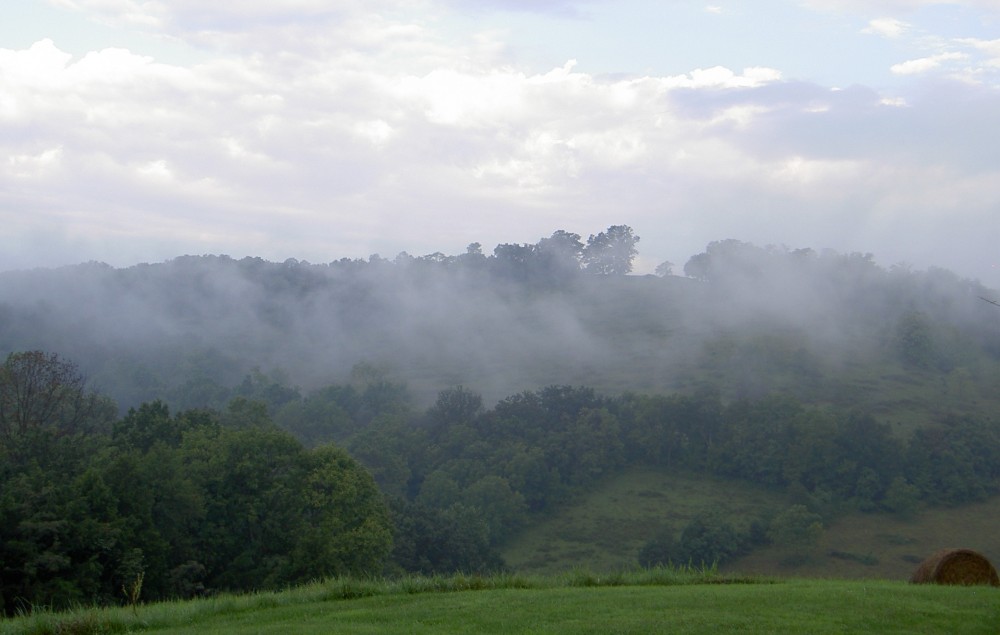
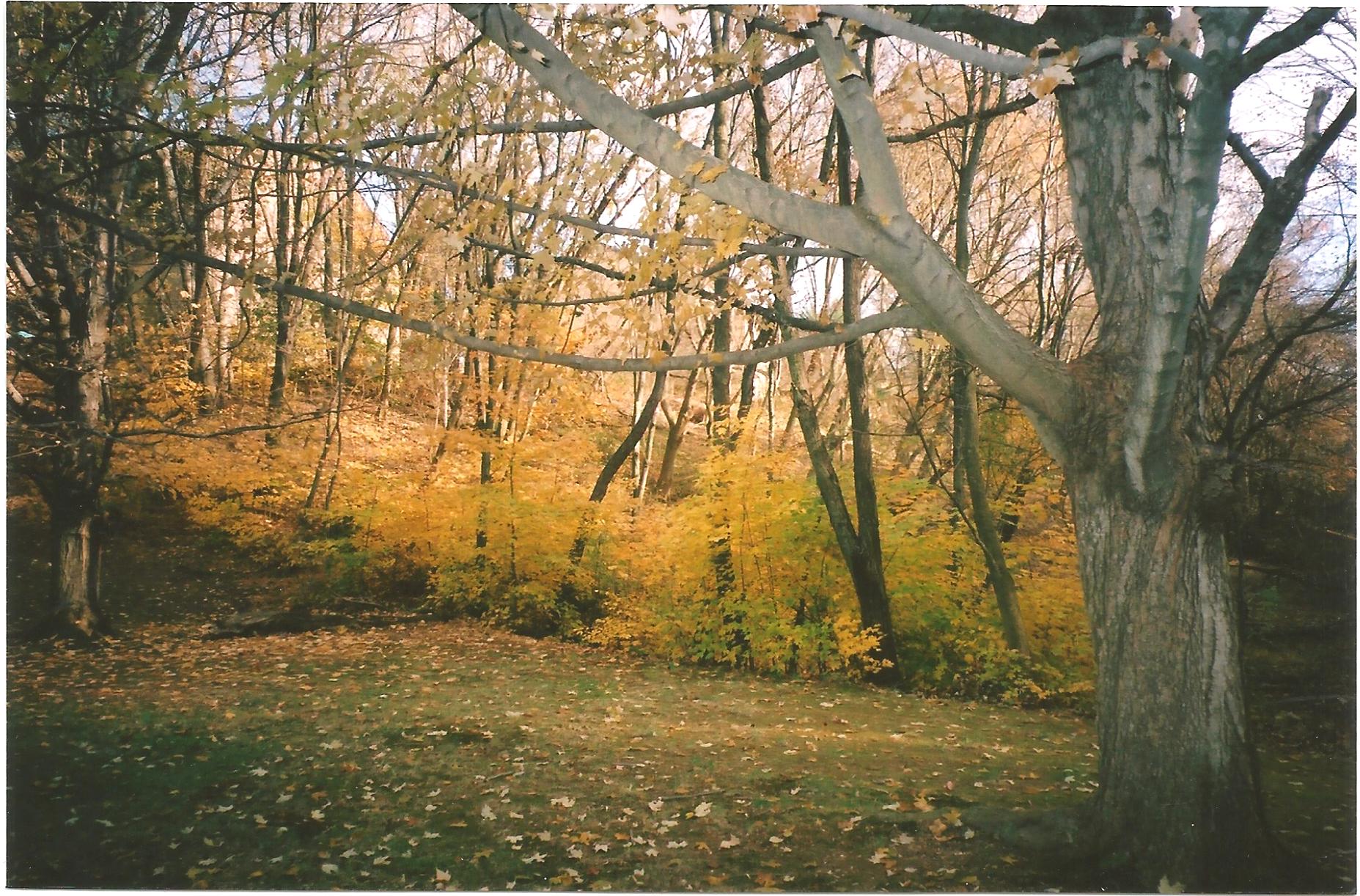
Photograph of South Valley Park – Copyright Cynthia Fain – taken in 2007

The odyssey of my healing commenced with my mother’s triumphant survival
over a life-threatening health ordeal in March 1990. Buried in the tapestry of
my memories, was a magical place called South Valley Park. It seemed like
another lifetime when I rode my bike around the park’s ponds during my
melancholy high school years.

After my mother returned home from the hospital in April 1990, a fresh
chapter of exploration unfolded within the serenity of South Valley Park. As I
descended the hill, on a balmy spring afternoon, a cascade of emotions engulfed
me.  In the distance, the reflective canvas of Walkers Pond glistened with ripples of water. The pond was bordered by lush woodland, and a whimsical creek which gracefully
wound its way through the heart of the park.

Finding places of healing is profoundly important for us all, especially
during these times of so much stress. Nature provides a solace, and we need to
prioritize preserving as much of our natural resources as possible. With people
spending so much time in frustrating traffic and sitting in offices with
technology, getting out into nature is vital to our mental and physical health.

In the months and years after my mother’s recovery, South Valley Park became
my daily ritual. In this place of tranquility, time seemed to slow, and the
park, became not just a destination but a journey through family memories and
exciting new vistas.

I encourage people to find respectful and compassionate relationships with
nature. As a frequent visitor to South Valley Park I became a protective
guardian of the creatures there. Sadly, people left fishing line and hooks in
the ponds, which resulted in deaths and injuries to waterfowl and turtles. When
injured wildlife was spotted, our wildlife rescue team (including myself) sprang
into action, and rushed the ailing waterfowl or turtle to our local licensed
wildlife rehabilitator.

In my role as a guardian of the park, I forged connections with a myriad of
its inhabitants, and among them, Mr. Drake stood out—a flightless duck that
made the Theater Pond his home. Defying the odds, he navigated the waters, a
courageous survivor without the sanctuary of a protective island. Vulnerable to
potential threats from predators or untethered dogs his resilience struck a
chord within me. This unique bond blossomed into a friendship that later became
a wellspring of inspiration for my first book, “Mystical Animals of
Ancient Oak.”

The enchanted hour preceding sunset was my favorite time for a walk, when
the very soul of nature awoke, serenaded by the chorus of birds bidding farewell
to the day’s dwindling sunlight. Weaving between the pond and the creek was an
invitation to embark on a twilight journey. After thunderstorms, I ran to the
bridge straddling the creek, and felt the powerful water racing under me.

During a torrential storm, a helpless duckling struggled to stay afloat in
the currents of the creek. Peeping loudly and fighting against the rushing
water, he looked close to drowning. I wasted no time calling a friend of mine
that worked for the Department of Natural Resources and he quickly rushed to
the park. Using a net, the duckling was rescued from the perilous creek, and
placed in the pond with a mother duck and her brood. I thanked Curt for taking
time to come out and help an animal in need.

Passionate about being a park protector, I joined the Montgomery Village
Environment Committee in the early 1990’s. As a member of this important
committee we did water quality monitoring and voted on many important
environmental issues. My years on this committee and walks at the park were one
of the most important things I have ever undertaken. Being a part of your
community, whether it is parks, schools or other charitable work is incredibly
important. It gets you out of isolation and feeling detached, and you can
contribute to a good cause.

Adventure out into nature with compassion and awareness, and always look for
nature to teach you and heal you. I pray that places like South Valley Park
will remain protected from harm for eternity. I still walk the park, looking
for inspiration and communing with the ducks, birds, and all of nature.

Copyright – December 2023 – Cynthia A. Fain

TRANSFORMING OUR VIEWS OF WILDIFE THROUGH COMPASSION

Pixabay License – Photo by Alain Audet

I often wonder how humans came to view wildlife as things to be controlled
through acts of violence. Over many years of becoming educated about global
animal protection issues, the staggering abuse of wildlife became all too
apparent.

In the United States, our government agencies often resort to violence when
dealing with a variety of wildlife issues. Anyone who has read my blog entries
over the last several years will see that I am very passionate about the need
for an entirely new perspective on wildlife.

Looking at the current trend of building densely packed suburbs full of
human conveniences, we have long forgotten the needs of wildlife. Where were
the plans for the needs of wildlife put, in any of these suburban designs?
These days if people see coyote or deer in their neighborhood, they act like
they don’t belong there. They forget – all their houses are built on what was
once the animal’s habitat.

This rampant deforestation is having devastating effects on wildlife, migratory
birds, water quality, air quality and human’s quality of life. Forests are
destroyed and land has been totally fragmented and paved over. Why can’t we
find a way to integrate more forest and greenspace among our human suburbs?

People act offended when deer come in their yard and eat their landscaping.
Why don’t people put themselves in the place of deer and find out what it is
like to have to navigate mansions where your habitat once was? Deer and other
wildlife are forced to cross busy roads and so often get brutally injured or
killed. Instead of viewing them as being in our way – please have compassion for the
injuries they suffer trying to find their way among human chaos.

Often I have attended local government meetings where homeowners complain
about deer and demand that more and more deer must be killed. I have
attended meetings in which the level of hysteria over deer was truly
frightening. So much ignorance and hatred has come over people regarding deer
populations. The first thing to remember is that wild animals roamed where your
houses are. They have had their habitat destroyed by human encroachment. How
were deer and other wild animals supposed to cross super highways? In a recent blog post I mentioned the incredible wildlife over passes that have been built to aide wildlife in areas where there are high mortalities. This is a major step in the right direction. 

Tonight is Thanksgiving, a time to honor the compassion and gratitude in
life. It is very important – to extend compassion to all those who are
vulnerable, be they human or animal. I came across a story on You Tube about a
woman who volunteered in Nigeria and came across a starving, abandoned baby.
Here is the link to the story: https://www.youtube.com/watch?v=2X-TlYEBVOI.
I loved this story. It shows how one act of stepping forward and providing
compassionate assistance, can lead to magical transformations.

One of the reason’s that I am posting the link to this story is because it
seems that some of the callous attitudes in modern times, are due to people losing
touch with deeper compassion. Attitudes have become too materialistic and not
focused enough on seeing the bigger picture in life. 

Why not dedicate a place in your yard for wildlife to seek refuge? Observe their patterns and get to know them. That will lead to break throughs in your ability to see solutions to living with these animals instead of building black metal gates to keep them out. One of the most disturbing trends today is the use of bow hunters to kill deer in the suburbs. Impaling deer with arrows is a sadistic and brutal way to deal with their presence among us.

If you look at the struggles we have created for wildlife, and further look
at the horrific violence (sport hunting, managed hunts, poisons, traps etc.),
we as humans, are quite lucky to have all the conveniences of cars, Internet,
google maps, grocery stores etc. Before we sanction more violence and animosity towards
deer etc., step back and ask yourself what can you learn from the deer? I truly
believe that all this hatred of deer in the suburbs is reminding people how far
we have come from living in harmony with nature and valuing nature. The whole
paradigm of reactive violence to wildlife needs to shift into a more
compassionate and holistic perspective.

Both human and animal lives deserve compassion. I hope people will look at
the deeper picture that is facing humanity when it comes to environmental and
wildlife issues. We need to add more forests and wildlife habitat into our
development plans. This needs to happen now and become the norm. People need
the songs of birds, clean air and sparkling streams and so do all life forms.
Trying to control species through violence is not the answer. Like the story mentioned in the link above, great and inspiring change comes from seeing the deeper picture in life and administering compassion.

Take Responsibility When Driving

Part Two of Avoiding Hitting Wildife

In my continuing discussion of the importance of compassionate and safe driving ,we are going to look at “taking responsibility” when driving. I continue to be shocked and dismayed at the flagrant abuse of cell phone, texting and general distractions that people have when driving. Just today a good friend of mine posted on her Facebook Page that she had almost been hit yesterday by a man driving a pick up truck and speeding through a red light. She was almost broadsided by him and was saved by seeing him at the last minute.

Focusing and avoiding distractions is the best way to keep your eyes on the road and avoid hitting wildlife. On a drive up Route 29 in Madison County Virginia yesterday, I was horrified to see many deer hit on the side of the road. Who knows how long they laid there dying on the hot summer pavement. One deer had a piece of metal, maybe a car side view mirror jarred right into his skull.

The spiritual message that I get is that we need to have accountability when we hit animals or people. This idea that we can hit and run other sentient beings is sick and making for no ethics in driving. Where did we ever get this idea that if we hit an animal, we can just keep going and be so apathetic?

I think the issue of animal deaths on the roads is one of the most under estimated issues in our personal ethics of driving. Just slowing down and taking the time to focus and intend to avoid hitting animals is a highly effective way of reducing animal and of course human fatalities on the road.


Part Two – Powers of Observation

I will continue to discuss the subject of Powers of Observation. Our tendency to accept animal  fatalities on our roads as a normal by product of our daily, busy lives, is truly sad. This is something that gets so little attention, but we need to take responsibility for taking time to learn how to avoid hitting wildlife, and of course human pedestrians. I believe that most of this could be avoided by making it a priority to slow down and concentrate on driving. We are way too distracted and anxious today. I have attended many civic organization and environmental meetings over the last two decades. Listening to most of the people who come to these meetings you would think that deer are being singled out as being all wrong, way too many of them, and they need to be eradicated. If these groups adhered to the concept of Powers of Observation – these people and organizations would honor what the deer have to go through in order to live among the human chaos. Instead, most of what I have heard over the year’s when attending meetings is that the deer are nothing but a nuisance. I differ with that, and believe they might think we are a nuisance to them. What I would suggest, is that if we had developed our cities and suburbs with a far more holistic, humane, compassionate and ecologically balanced view, all the wildlife, including deer, would have their travel ways, their habitat and their way of life honored. Instead, what we have ended up with is severe loss of forest habitat, massive forest fragmentation, killing off of large predators such as mountain lions, severely degraded watersheds, way too much impervious surface etc. Furthermore, we totally forgot to included wildlife in our traffic plans. Can you imagine being a deer or other wild animal and ending up having your habitat totally paved over, and then have to cross a mega highway? Well, that is the mess our wildlife face. So when I hear about all the outrage about deer, I say well what the heck did we ever do to honor them to begin with? We absolutely must get back to a far more compassionate and responsible way of living on the planet. I believe that much of what is blamed on the deer is just a severe reflection of what humanity is doing to the ecosystem. I have a homework assignment for anyone reading this blog. The next time you get angry at a deer or some other wild animal – walk in their shoes! Start a journal and see what it would be like to become that animal for a day or a week. Keep a list of all the things you see that animal having to go through to manage around traffic, people etc. As I have written in previous journal entries – I have been a long time member of both the civic, and environmental movement, but I hold very different views about deer and other wildlife issues. And I strongly believe we way over persecute deer instead of honoring them. I always see the environmental and civic groups holding “deer forums”. In all these cases there is usually nothing but a forum for people to continue blaming deer and not seeing what the deeper ills are. Deer don’t always cause car  accidents. We cause an enormous amount of these deer auto collisions. And I have written a paper based on my own experiences and this paper teaches people how to avoid hitting wildlife. I am 53 years old and have never hit a deer. and that folks is not an accident. It is entirely due to SLOWING DOWN and honoring life. Folks, it works. SLOW DOWN and RESPECT LIFE. In my next blog entry I will discuss many of the things that are typically blamed on deer and how we need to re-frame this view. We will discuss the concept of promoting and using non violence to deal with deer issues.