HIDDEN IN PLAIN SIGHT: A FRESH LOOK AT WALLY’S WISDOM (WITH NEW VIDEO PREVIEW)
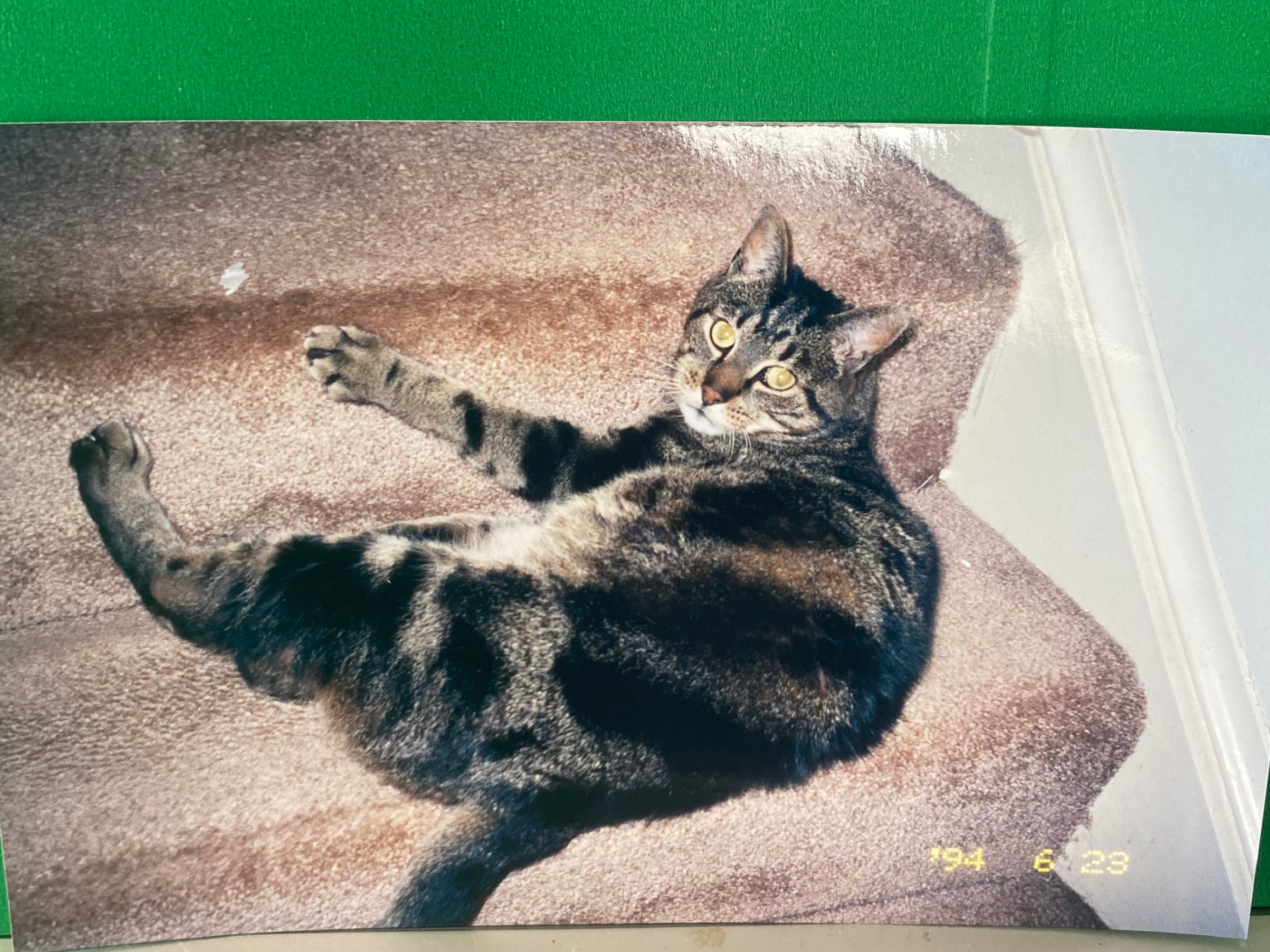
If you have been following along here at Compassionate Voices for Nature, you might remember the story of our beloved companion, Wally. For a long time, I completely missed a special detail right in front of me—until a thoughtful animal intuitive guided me to see what had been hidden in plain sight on a bag of cat food. That unexpected revelation taught me a profound lesson about patience, healing, and holding onto hope.
I’ve recently given that special story a fresh new life!
I’ve gone back into the studio to enhance the narration with clearer sound, rich new imagery, and updated reflections that bring Wally’s message to life in an even deeper way.
To give you a quick glimpse, here is a short preview clip:
Whether we are walking through moments of uncertainty with our animal companions or facing quiet challenges on our own personal journeys, the message remains simple yet powerful: never give up on your dreams.
Sometimes the deepest wisdom is sitting right in front of us, waiting for the right moment to be revealed.
Watch the Renovated Full Video
I invite you to grab a warm cup of tea, settle in, and experience the fully updated version over on You Tube: https://www.youtube.com/watch?v=TB8MZFHN_Yk&t=3sIf Wally’s story touches your heart, please feel free to leave a comment on YouTube or share it with a friend who might need a gentle lift today. Thank you for walking this compassionatepath with me.
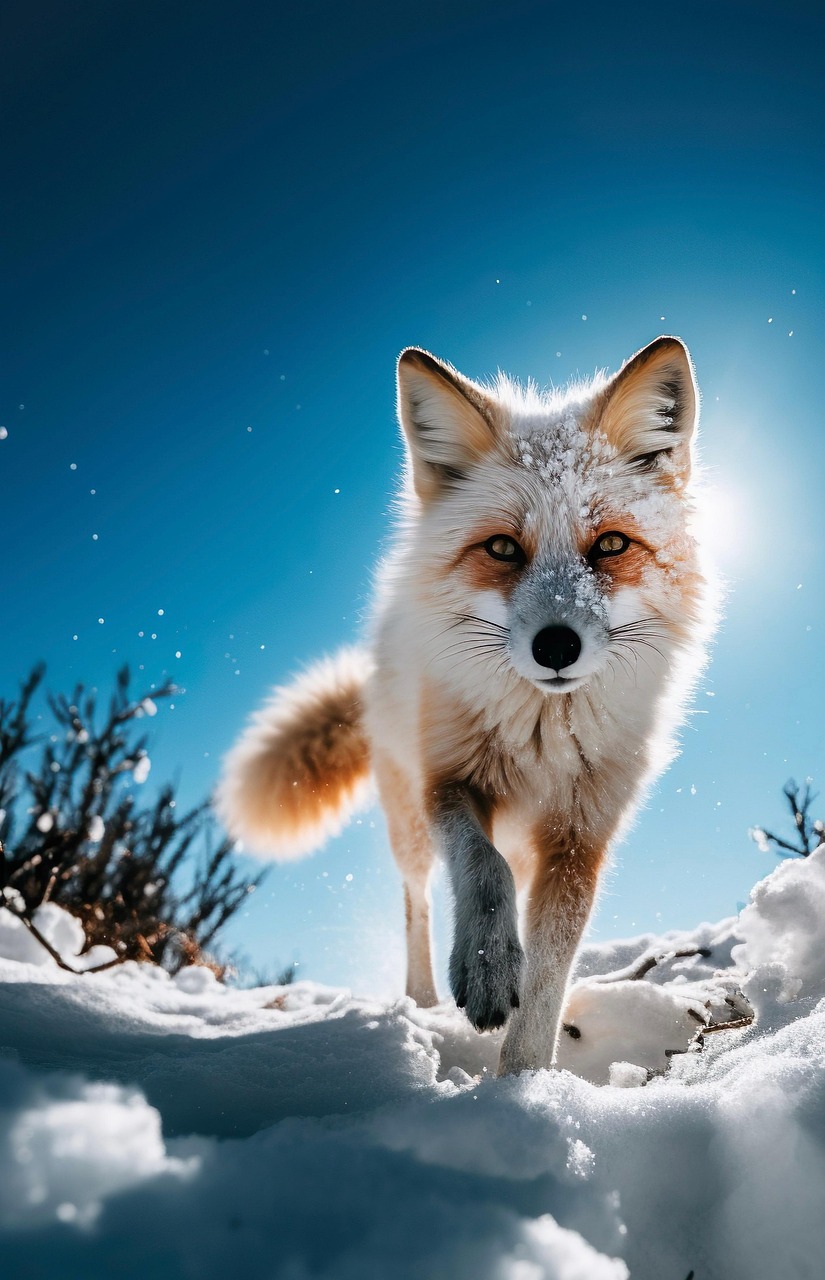
Pixabay License for fox photo (photographer Jeanette Atherton)
Every day, our human activities create hazards for wildlife. Roads, houses, technology, and speeding cars have replaced the natural rhythms and spaces wild animals rely on. But this doesn’t have to be a tragedy of our own making. By becoming more aware, we can take simple, essential steps to make the world a safer place for the creatures who share our planet. This post will share some of the most important actions we can take, starting with lessons I learned in my own backyard. My first and most heart-breaking lesson came when I moved to a house, proving that even a barrel of water can contain hidden dangers.
Several years ago, I rented a home surrounded by a lush meadow, a truly magical place where my cat, Minny Mouse, had a panoramic view of wildlife, from deer to songbirds. Minny’s favorite activity was watching a chipmunk that darted across the patio, constantly scurrying for seeds and nuts. Chasing him back and forth along the windowsill, she was convinced she would finally catch him.
A few weeks after we moved in, I saw Minny calmly sitting by the window and wondered why the chipmunk wasn’t up to his energetic routine. When the chipmunk didn’t appear, I grew concerned and investigated his mysterious disappearance.
Tragedy struck when I found the poor creature had drowned in a large barrel of water that the landlord had left on the patio. I scooped the body out and gently laid him to rest in the meadow. I carry that sadness with me, and it taught me an immediate, lifelong lesson: never leave water containers open and unattended. Now, I either turn barrels and buckets upside down, or, if the water is specifically for wildlife to drink, I always put a large stick or branch in the container. This simple addition acts as a ramp, giving smaller creatures a way to climb out and escape a tragic drowning.
The danger of standing water extends to swimming pools. Even a small frog or a tired songbird can get trapped. If you have a pool, you must have a safety mechanism for wildlife and amphibians. Consider installing a Frog Log, Skamper-Ramp, or other boarding steps. These simple safety precautions save lives. (Link to an article about swimming pools and safety for wildlife: https://www.humanegardener.com/wildlife-and-swimming-pools/)
Our responsibility to keep our property safe also extends to removing hazardous debris we leave behind, especially near natural water bodies.
While serving on the Environmental and Wildlife Rescue Committees in Montgomery Village, Maryland, I saw first-hand one of the most devastating human-caused hazards: discarded fishing line. This invisible enemy is a major source of deaths and debilitating injuries for birds, waterfowl, and turtles. The issue of fishing line entanglement is a serious danger that comes with devastating consequences. I was horrified watching a man at a local pond hook a turtle, only to violently jerk the hook out and toss the injured animal back into the water without a second thought. That callous disregard for life is a tough thing to witness, but it reinforces the need for our community to be vigilant. Whether you fish or not, if you are near a body of water, always be on the lookout for abandoned line. If you see it, please carefully gather it up, cut it into small pieces, and secure it in a proper trash receptacle.
Another hazard that silently kills millions of birds every year is found not on the ground, but in thewindows of our homes.
One simple remedy, to prevent these tragic deaths – is to put decals on your windows. These decals make the glass visible to birds by breaking up the reflection, showing them there is a solid surface, not just empty sky. This helps to re-direct the birds away from, fatal collisions. I have seen birds break their necks and suffer fatal injuries too many times when they fail to see a window and strike it headfirst. Amazon.com, Walmart.com and https://www.theaudubonshop.com/ are a few places you can purchase bird saving window decals.
The scale of this issue, however, extends far beyond residential homes, reaching the tall towers of our cities. According to the American Bird Conservancy migrating birds strike windows and are dying by the millions in the USA (https://abcbirds.org/news/bird-building-collisions-study-2024/.) To help avoid this catastrophe buildings can use protective measures which include turning off unnecessary lights during migration, especially at night; and adding decals to windows, using patterned films, or UV-patterned glass to prevent collisions.
As we work to protect wildlife from the world humans have built, we must also consider the threat posed by our beloved pets—our own domestic cats.
As a cat owner and a lover of nature, I understand the joy of watching a cat enjoy the outdoors. However, the decision to allow a cat to free-roam is perhaps one of the most critical choices we make regarding wildlife safety. Two humane solutions that I have used to let my cats spend time in nature are to walk them on a harness or let them sit in a portable pen.
My cat Shadow loved to be walked on his harness and spend time in his outdoor pen. As an additional precaution I bought Shadow a GPS tracker that I attached to his collar, in case he slipped out of his harness. When I used his portable outdoor pen, I always sat with him. He was never left unattended while in the pen. Often we sat by the edge of the forest and watched the deer and listened to the birds.
While living atop a huge hill near the Blue Ridge Mountains, Shadow and I went out on an adventure with him on his harness. As we approached a butterfly bush adorned in purple blossoms, I told Shadow, “We are at the top of the world on this spring evening!” And as the sun set, with pink hues illuminating the sky, Shadow looked around at all the magic nature provided.
To prevent injuries and deaths of birds, rabbits and other wildlife, I encourage people who want their cat to get outdoor time to use a harness or portable pen. This allows your cat to get vital time in nature and can save many thousands of bird and animal lives. This is also safer for your cat who can otherwise be hit by a car, attacked by another animal or get lost. Your cat can still enjoy the wonders of nature without posing a threat to wildlife by being walked on a harness, spending time in an outdoor portable pen or “catio” (cat patio).
We’ve addressed hazards we can see, but what about the dangers that are carefully concealed? An invisible killer that is used far too often are toxic rodenticides. Whenever you see those black boxes around office buildings, restaurants, and houses you are looking at one of the worst dangers to domestic animals and wildlife. These boxes are often filled with anti-coagulant poisoning which causes a slow death by internal bleeding. Not only is this an inhumane way for rats and mice to die – non targeted species like chipmunks can suffer a terrible death if they crawl into the boxes and eat the bait.
Secondary poisoning occurs when non targeted species consume the bodies of animals poisoned by the rodenticide. Thousands of birds and animals die from these poisons. Once these rodenticides enter the greater eco-system they spread danger to other animals and birds.
I believe the use of poisons should be universally banned. They cause tremendous suffering and should be replaced with humane alternatives. Absolutely never use glue traps. These torture devices should be banned as well. Animals struggle in a vain attempt to free themselves from the glue. I have used cooking oil to release mice caught in glue traps (at places where I worked), and the mice are exhausted and injured from their desperate struggle to free themselves.
Humane catch-and-release traps are a great alternative to poisons, but they must be monitored regularly so the trapped animals don’t die from dehydration or starvation. Better yet, focus on exclusion workto keep mice from entering your home in the first place. By finding areas rodents can enter your house and blocking the portals with steel wool or boards, you eliminate the problem without resorting to traps or toxins. Property management companies need to get educated about the danger to animals, wildlife, and even children when they place these rodenticide black boxes around buildings. For more information, please see this excellent article by The Wildlife Center of Virginia:
In fact, the most common and dangerous threat to both domestic and wild animals remain a hazard we encounter daily: the roads we drive on.
One of the most important things you can do to help animals is to drive with a commitment to slowing down and staying aware. People drive as though the wild or domestic animal jumping out in front of their car is something shocking and unexpected. But it is the other way around. We are shocking the animals who are simply being forced to navigate our intrusions. We need to learn to think like the animals do. When you speed down the road, there is always the chance that an animal will dart out. I tend to stay in the right lane because I know that I drive slower, I always slow down when I see any animal. That does not mean suddenly jamming on brakes, it means that you slow down enough so that you have safe reaction time.
The agony of seeing any animal hit and injured on the road is painful to witness. I have seen deer hit and trying to drag themselves off the road. I have seen groundhogs bleeding and struggling to breathe after being hit. One of my other blog posts documents the tragedy I saw when I lived in Culpeper, VA when a ground hog was hit by a driver who could have easily avoided the animal. (Why A Ground Hog’s Life Matters – https://compassionatevoicesfornature.com/2023/02/).
I have avoided hitting countless animals by driving slower and always anticipating that an animal can suddenly jump into traffic. If we all drove with more respect for each other, and more awareness of the animals around us, there would be far fewer fatalities. I suggest carrying the number of your local emergency animal control to call immediately when you see an injured animal on the road.
Sadly in the case of deer, you usually need to call the police who are not equipped to humanely euthanize deer. This is an issue I have been researching for years. I would like to see progress made towards a more compassionate response to hit and injured deer. One idea would be for licensed wildlife technicians to be dispatched that could humanely euthanize (not multiple hit and miss bullets in an injured deer). I am working on a second book of true stories about my experiences with animals and nature. One of my stories is called, “Cry of the Deer.” This story goes much deeper into the need for proper humane response to deer injured and dying due to car accidents.
I hope you enjoyed reading this article and are prepared to help create a more humane world. Many wildlife species want us to hear their cry. Please let me know what your suggestions are for creating a safer world for all of nature and animals. I would love to hear your thoughts and ideas on this.
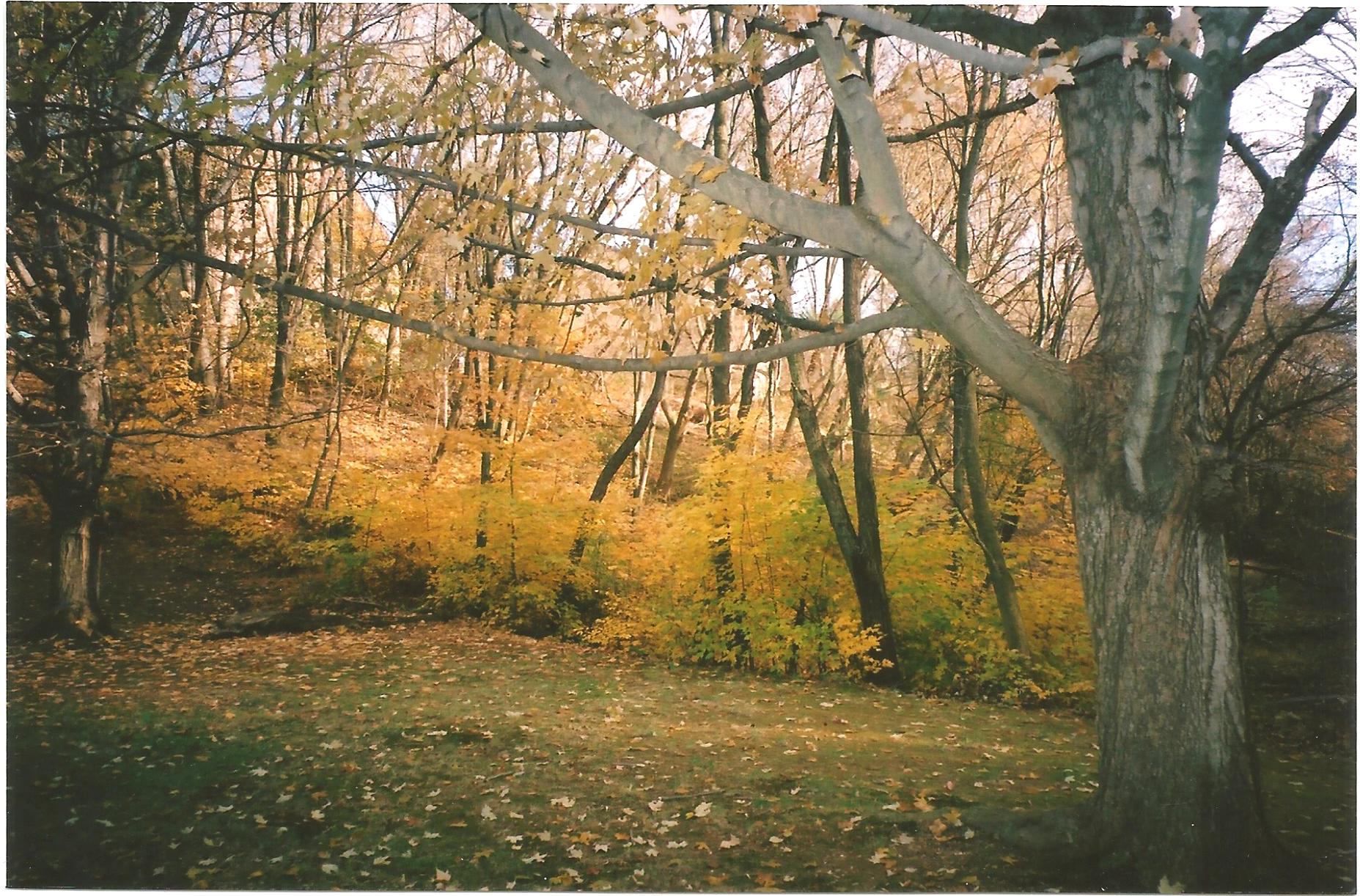
Photograph of South Valley Park – Copyright Cynthia Fain – taken in 2007
The odyssey of my healing commenced with my mother’s triumphant survival over a life-threatening health ordeal in March 1990. Buried in the tapestry of my memories, was a magical place called South Valley Park. It seemed like another lifetime when I rode my bike around the park’s ponds during my melancholy high school years.
After my mother returned home from the hospital in April 1990, a fresh chapter of exploration unfolded within the serenity of South Valley Park. As I descended the hill, on a balmy spring afternoon, a cascade of emotions engulfed me. In the distance, the reflective canvas of Walkers Pond glistened with ripples of water. The pond was bordered by lush woodland, and a whimsical creek which gracefully wound its way through the heart of the park.
Finding places of healing is profoundly important for us all, especially during these times of so much stress. Nature provides a solace, and we need to prioritize preserving as much of our natural resources as possible. With people spending so much time in frustrating traffic and sitting in offices with technology, getting out into nature is vital to our mental and physical health.
In the months and years after my mother’s recovery, South Valley Park became my daily ritual. In this place of tranquility, time seemed to slow, and the park, became not just a destination but a journey through family memories and exciting new vistas.
I encourage people to find respectful and compassionate relationships with nature. As a frequent visitor to South Valley Park I became a protective guardian of the creatures there. Sadly, people left fishing line and hooks in the ponds, which resulted in deaths and injuries to waterfowl and turtles. When injured wildlife was spotted, our wildlife rescue team (including myself) sprang into action, and rushed the ailing waterfowl or turtle to our local licensed wildlife rehabilitator.
In my role as a guardian of the park, I forged connections with a myriad of its inhabitants, and among them, Mr. Drake stood out—a flightless duck that made the Theater Pond his home. Defying the odds, he navigated the waters, a courageous survivor without the sanctuary of a protective island. Vulnerable to potential threats from predators or untethered dogs his resilience struck a chord within me. This unique bond blossomed into a friendship that later became a wellspring of inspiration for my first book, “Mystical Animals of Ancient Oak.”
The enchanted hour preceding sunset was my favorite time for a walk, when the very soul of nature awoke, serenaded by the chorus of birds bidding farewell to the day’s dwindling sunlight. Weaving between the pond and the creek was an invitation to embark on a twilight journey. After thunderstorms, I ran to the bridge straddling the creek, and felt the powerful water racing under me.
During a torrential storm, a helpless duckling struggled to stay afloat in the currents of the creek. Peeping loudly and fighting against the rushing water, he looked close to drowning. I wasted no time calling a friend of mine that worked for the Department of Natural Resources and he quickly rushed to the park. Using a net, the duckling was rescued from the perilous creek, and placed in the pond with a mother duck and her brood. I thanked Curt for taking time to come out and help an animal in need.
Passionate about being a park protector, I joined the Montgomery Village Environment Committee in the early 1990’s. As a member of this important committee we did water quality monitoring and voted on many important environmental issues. My years on this committee and walks at the park were one of the most important things I have ever undertaken. Being a part of your community, whether it is parks, schools or other charitable work is incredibly important. It gets you out of isolation and feeling detached, and you can contribute to a good cause.
Adventure out into nature with compassion and awareness, and always look for nature to teach you and heal you. I pray that places like South Valley Park will remain protected from harm for eternity. I still walk the park, looking for inspiration and communing with the ducks, birds, and all of nature.
I often wonder how humans came to view wildlife as things to be controlled through acts of violence. Over many years of becoming educated about global animal protection issues, the staggering abuse of wildlife became all too apparent.
In the United States, our government agencies often resort to violence when dealing with a variety of wildlife issues. Anyone who has read my blog entries over the last several years will see that I am very passionate about the need for an entirely new perspective on wildlife.
Looking at the current trend of building densely packed suburbs full of human conveniences, we have long forgotten the needs of wildlife. Where were the plans for the needs of wildlife put, in any of these suburban designs? These days if people see coyote or deer in their neighborhood, they act like they don’t belong there. They forget – all their houses are built on what was once the animal’s habitat.
This rampant deforestation is having devastating effects on wildlife, migratory birds, water quality, air quality and human’s quality of life. Forests are destroyed and land has been totally fragmented and paved over. Why can’t we find a way to integrate more forest and greenspace among our human suburbs?
People act offended when deer come in their yard and eat their landscaping. Why don’t people put themselves in the place of deer and find out what it is like to have to navigate mansions where your habitat once was? Deer and other wildlife are forced to cross busy roads and so often get brutally injured or killed. Instead of viewing them as being in our way – please have compassion for the injuries they suffer trying to find their way among human chaos.
Often I have attended local government meetings where homeowners complain about deer and demand that more and more deer must be killed. I have attended meetings in which the level of hysteria over deer was truly frightening. So much ignorance and hatred has come over people regarding deer populations. The first thing to remember is that wild animals roamed where your houses are. They have had their habitat destroyed by human encroachment. How were deer and other wild animals supposed to cross super highways? In a recent blog post I mentioned the incredible wildlife over passes that have been built to aide wildlife in areas where there are high mortalities. This is a major step in the right direction.
Tonight is Thanksgiving, a time to honor the compassion and gratitude in life. It is very important – to extend compassion to all those who are vulnerable, be they human or animal. I came across a story on You Tube about a woman who volunteered in Nigeria and came across a starving, abandoned baby. Here is the link to the story: https://www.youtube.com/watch?v=2X-TlYEBVOI. I loved this story. It shows how one act of stepping forward and providing compassionate assistance, can lead to magical transformations.
One of the reason’s that I am posting the link to this story is because it seems that some of the callous attitudes in modern times, are due to people losing touch with deeper compassion. Attitudes have become too materialistic and not focused enough on seeing the bigger picture in life.
Why not dedicate a place in your yard for wildlife to seek refuge? Observe their patterns and get to know them. That will lead to break throughs in your ability to see solutions to living with these animals instead of building black metal gates to keep them out. One of the most disturbing trends today is the use of bow hunters to kill deer in the suburbs. Impaling deer with arrows is a sadistic and brutal way to deal with their presence among us.
If you look at the struggles we have created for wildlife, and further look at the horrific violence (sport hunting, managed hunts, poisons, traps etc.), we as humans, are quite lucky to have all the conveniences of cars, Internet, google maps, grocery stores etc. Before we sanction more violence and animosity towards deer etc., step back and ask yourself what can you learn from the deer? I truly believe that all this hatred of deer in the suburbs is reminding people how far we have come from living in harmony with nature and valuing nature. The whole paradigm of reactive violence to wildlife needs to shift into a more compassionate and holistic perspective.
Both human and animal lives deserve compassion. I hope people will look at the deeper picture that is facing humanity when it comes to environmental and wildlife issues. We need to add more forests and wildlife habitat into our development plans. This needs to happen now and become the norm. People need the songs of birds, clean air and sparkling streams and so do all life forms. Trying to control species through violence is not the answer. Like the story mentioned in the link above, great and inspiring change comes from seeing the deeper picture in life and administering compassion.
I will continue to discuss the subject of Powers of Observation. Our tendency to accept animal fatalities on our roads as a normal by product of our daily, busy lives, is truly sad. This is something that gets so little attention, but we need to take responsibility for taking time to learn how to avoid hitting wildlife, and of course human pedestrians. I believe that most of this could be avoided by making it a priority to slow down and concentrate on driving. We are way too distracted and anxious today. I have attended many civic organization and environmental meetings over the last two decades. Listening to most of the people who come to these meetings you would think that deer are being singled out as being all wrong, way too many of them, and they need to be eradicated. If these groups adhered to the concept of Powers of Observation – these people and organizations would honor what the deer have to go through in order to live among the human chaos. Instead, most of what I have heard over the year’s when attending meetings is that the deer are nothing but a nuisance. I differ with that, and believe they might think we are a nuisance to them. What I would suggest, is that if we had developed our cities and suburbs with a far more holistic, humane, compassionate and ecologically balanced view, all the wildlife, including deer, would have their travel ways, their habitat and their way of life honored. Instead, what we have ended up with is severe loss of forest habitat, massive forest fragmentation, killing off of large predators such as mountain lions, severely degraded watersheds, way too much impervious surface etc. Furthermore, we totally forgot to included wildlife in our traffic plans. Can you imagine being a deer or other wild animal and ending up having your habitat totally paved over, and then have to cross a mega highway? Well, that is the mess our wildlife face. So when I hear about all the outrage about deer, I say well what the heck did we ever do to honor them to begin with? We absolutely must get back to a far more compassionate and responsible way of living on the planet. I believe that much of what is blamed on the deer is just a severe reflection of what humanity is doing to the ecosystem. I have a homework assignment for anyone reading this blog. The next time you get angry at a deer or some other wild animal – walk in their shoes! Start a journal and see what it would be like to become that animal for a day or a week. Keep a list of all the things you see that animal having to go through to managearound traffic, people etc. As I have written in previous journal entries – I have been a long time member of both the civic, and environmental movement, but I hold very different views about deer and other wildlife issues. And I strongly believe we way over persecute deer instead of honoring them. I always see the environmental and civic groups holding “deer forums”. In all these cases there is usually nothing but a forum for people to continue blaming deer and not seeing what the deeper ills are. Deer don’t always cause car accidents. We cause an enormous amount of these deer auto collisions. And I have written a paper based on my own experiences and this paper teaches people how to avoid hitting wildlife. I am 53 years old and have never hit a deer. and that folks is not an accident. It is entirely due to SLOWING DOWN and honoring life. Folks, it works. SLOW DOWN and RESPECT LIFE. In my next blog entry I will discuss many of the things that are typically blamed on deer and how we need to re-frame this view. We will discuss the concept of promoting and using non violence to deal with deer issues.