


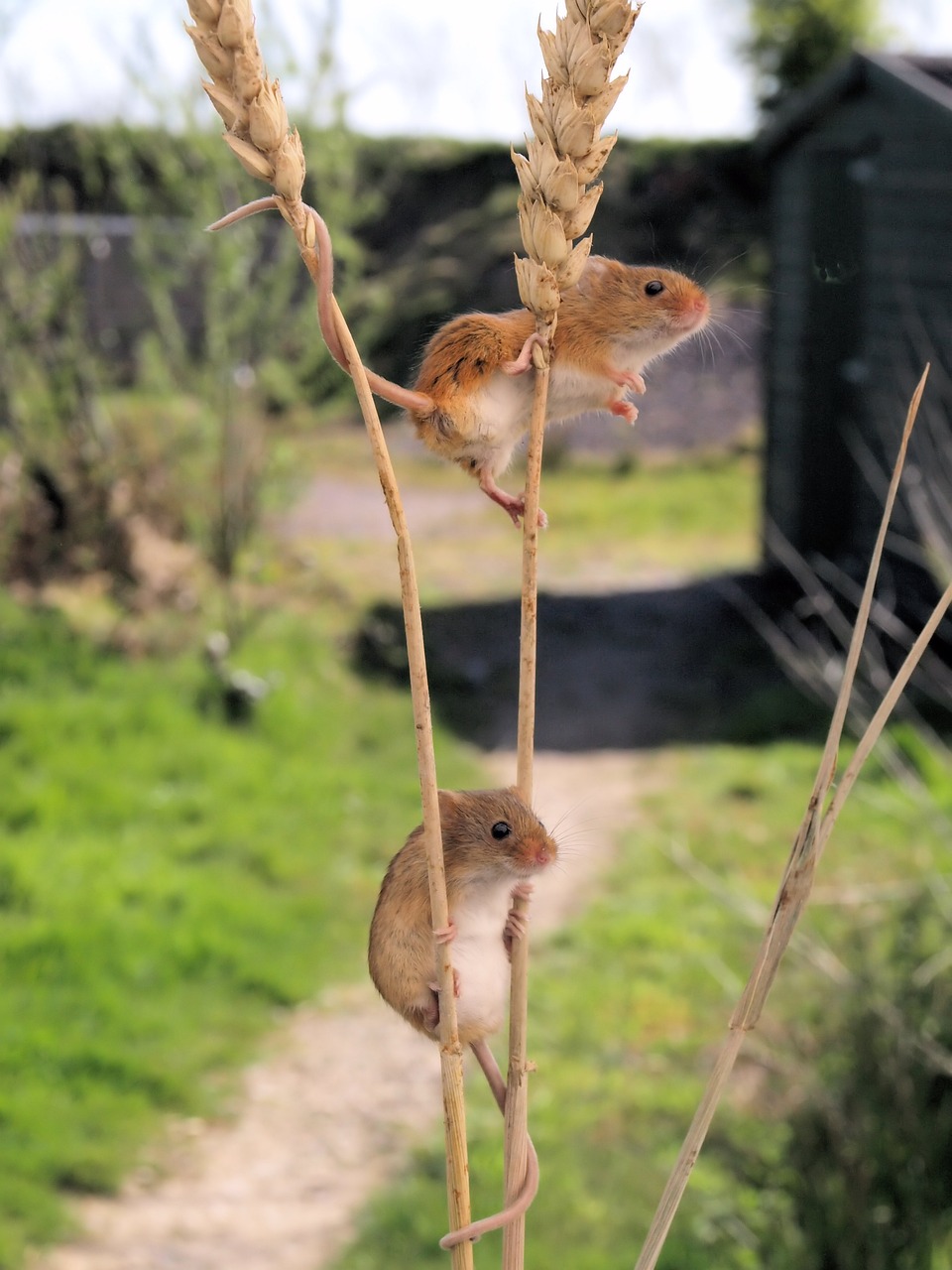
Photo by Greg 70 – Pixabay License
In my formative years, I resided within an apartment complex situated in Silver Spring, Maryland during the transformative decades of the 1960s and 70s. The complex’s waste disposal system was comprised of a noxious incinerator, where we disposed of our refuse. This pollution-emitting apparatus faltered on a scorching Memorial Day weekend, leaving large bags of trash strewn about. Decaying under the blistering sun, the rotting refuse attracted unexpected guests. An invasion of rats, drawn by the prospect of feasting on the garbage, migrated into the apartments. Faced with this rodent influx, the apartment management took swift action, enlisting the services of a pest control company. In an attempt to curb the rat population, the professionals strategically placed poison bait around the premises.
This heralded a huge shift in my perception of rodents, and how we as humans, need to find more humane ways to deal with their incursions into our homes.
The strategically placed poison bait, unfolded into a heart-wrenching tragedy for the rats, as the poisons administered ensured a protracted and agonizing demise. The toxins manifested in the form of slow, torturous deaths, amplifying the sounds of the rats desperately scratching and struggling to be liberated from their dying struggle in the walls. The specific rodenticide employed remains a mystery, but certain variants induce a gradual bleeding to death.
The lingering smell of decomposing rodent bodies and the haunting echoes of their final struggles left an indelible mark on my childhood consciousness. This traumatic experience instilled in me a firm belief that there must exist more compassionate and humane methods for addressing the presence of mice and rats in our living spaces.
Years later, in 1990, I secured a lease for an apartment in Gaithersburg, MD, where the management engaged a pest control company to distribute black boxes laden with rodenticide outside of the apartment buildings. Our complex bordered a serene creek and lush forest, serving as a haven for diverse bird species and wildlife.
Driven by a growing concern, I delved into researching the potential perils posed by these outdoor poison-laden boxes. Beyond the cruel fate awaiting rats and mice, I unearthed an additional threat to non-targeted birds and wildlife. The interconnectedness of the ecosystem became glaringly apparent – if a hawk were to consume a rodent that had succumbed to the poison, the majestic bird too would face a tragic demise. This revelation struck a personal chord as I recalled an incident during my volunteer work at a local wildlife sanctuary in Bowie, MD. A hawk, a victim of poisoning from a mouse it had ingested, sat dying in his cage. This tragic incident reinforced the urgent need for reevaluating our methods of pest control to safeguard both intended and unintended victims of these lethal measures.
Not wasting anytime, I wrote a letter to the President of the property management company outlining all the hazards these poison boxes pose, and explained how it does nothing to stop rodents from proliferating. The most important thing to do was to make sure there are no food sources for the rodents, such as trash not properly contained etc. The urgency of adopting more thoughtful and comprehensive pest control strategies, centered on addressing root causes and safeguarding the broader community, resonated throughout my impassioned plea.
Upon receiving a response from the President of the property management company, I was elated to see he was receptive to my ideas. Expressing gratitude for the information I had supplied, he informed me that they were swiftly discontinuing the use of poison boxes, opting instead for a more proactive approach through preventive measures. This news was an immense relief, dispelling the nightmarish prospect of numerous rodents and potentially even birds of prey succumbing to a tragic fate. The shift towards a more humane and environmentally conscious strategy marked a significant step forward in fostering a harmonious coexistence within our community.
Tragically, many retail and property management companies often rely on these outdoor poison boxes, and this continues to put many animals and birds at risk of a painful death. I encourage anyone that works for establishments that use these rodenticide boxes to speak out about the hazards and ineffectiveness of these poisons. Always rally for the use of humane and ecologically sound alternatives.
Another inhumane disaster used to kill rodents are these glue traps that amount to slow torture. They should have NEVER been approved of or used. How could anyone watch a mouse sit in agony dying slowly in a glue trap? I worked as a caretaker in a house where glue traps were set. Every day I went to work I dreaded seeing the mice alive and writhing in these traps. I tried to talk the people out of using the traps, but they would not take them up. I spent many days using cooking oil and a spatula to remove living mice from the glue traps.
This firsthand experience underscored the urgent need for reevaluating our methods of pest control, steering away from cruel practices that subject living beings to unnecessary suffering.
One of the most humane and effective approaches to deter rats and mice from infiltrating your home involves the use of exclusion tactics, employing materials like steel wool and boards. Some dedicated companies specialize in assessing your residence for potential mouse entry points and executing exclusion work. This safe and proven method offers a compelling alternative to the use of poison and glue traps, promoting a more ethical and sustainable approach to pest control.
In my personal experience, I have also found success with humane catch-and-release traps for mice that manage to find their way into the house. Vigilant monitoring of these traps is crucial, and releasing the captured mice promptly is essential to prevent dehydration or any unnecessary suffering.
Encouragingly, I hope more people will opt for these humane alternatives over the inhumane practices of poison and glue traps when addressing rodent issues. There exists no justification for the prolonged suffering inflicted by such methods. As awareness grows, and individuals embrace preventative measures and humane traps, we move closer to a day when the use of glue traps is banned, and the reliance on poisons is replaced by more compassionate and preventive strategies.
Copyright – Cynthia Fain – March 2024
 Compassionate Voices For Nature