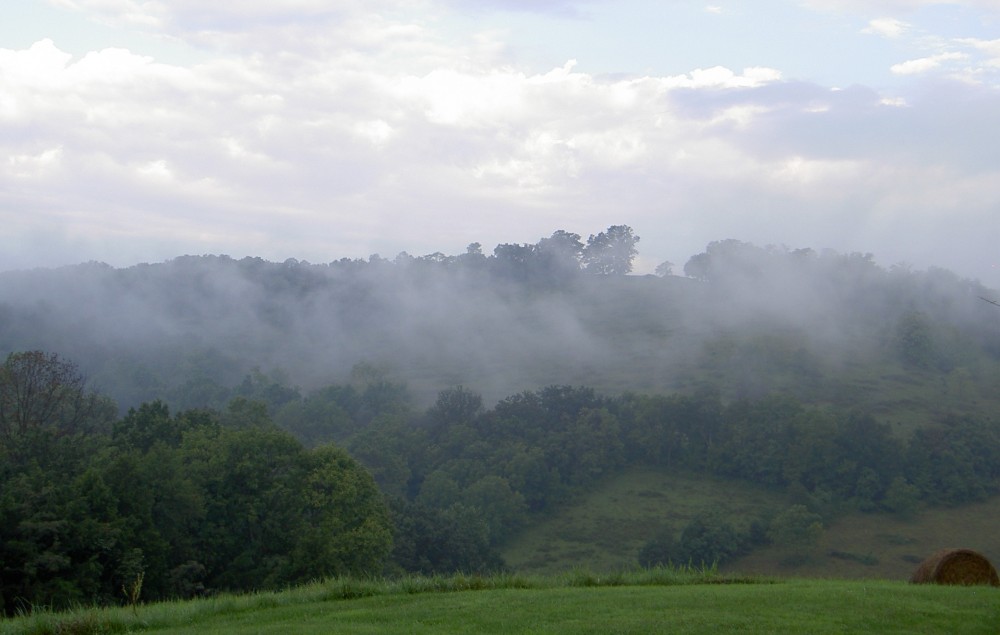
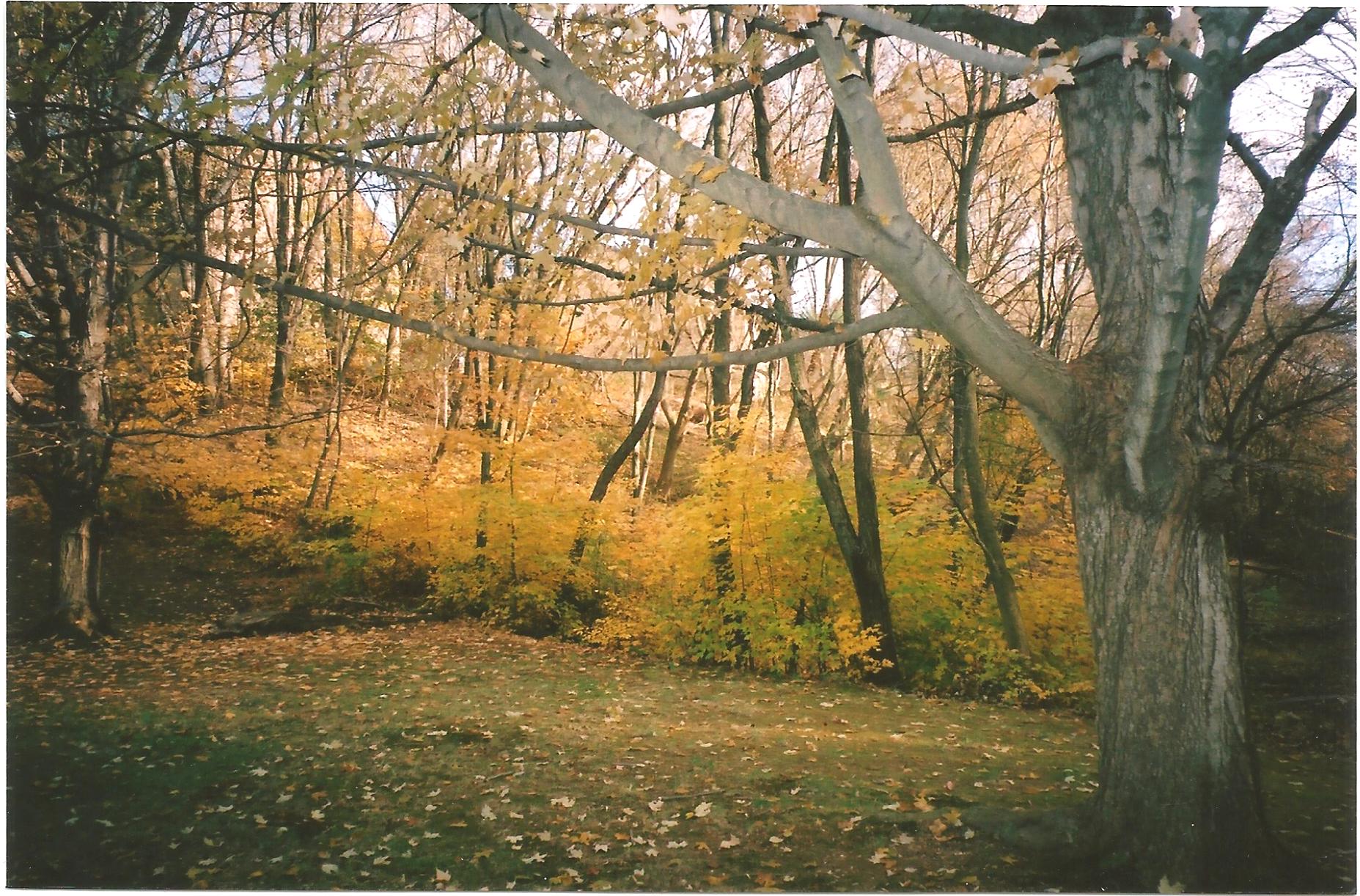
Photograph of South Valley Park – Copyright Cynthia Fain – taken in 2007
The odyssey of my healing commenced with my mother’s triumphant survival
over a life-threatening health ordeal in March 1990. Buried in the tapestry of
my memories, was a magical place called South Valley Park. It seemed like
another lifetime when I rode my bike around the park’s ponds during my
melancholy high school years.
After my mother returned home from the hospital in April 1990, a fresh
chapter of exploration unfolded within the serenity of South Valley Park. As I
descended the hill, on a balmy spring afternoon, a cascade of emotions engulfed
me. In the distance, the reflective canvas of Walkers Pond glistened with ripples of water. The pond was bordered by lush woodland, and a whimsical creek which gracefully
wound its way through the heart of the park.
Finding places of healing is profoundly important for us all, especially
during these times of so much stress. Nature provides a solace, and we need to
prioritize preserving as much of our natural resources as possible. With people
spending so much time in frustrating traffic and sitting in offices with
technology, getting out into nature is vital to our mental and physical health.
In the months and years after my mother’s recovery, South Valley Park became
my daily ritual. In this place of tranquility, time seemed to slow, and the
park, became not just a destination but a journey through family memories and
exciting new vistas.
I encourage people to find respectful and compassionate relationships with
nature. As a frequent visitor to South Valley Park I became a protective
guardian of the creatures there. Sadly, people left fishing line and hooks in
the ponds, which resulted in deaths and injuries to waterfowl and turtles. When
injured wildlife was spotted, our wildlife rescue team (including myself) sprang
into action, and rushed the ailing waterfowl or turtle to our local licensed
wildlife rehabilitator.
In my role as a guardian of the park, I forged connections with a myriad of
its inhabitants, and among them, Mr. Drake stood out—a flightless duck that
made the Theater Pond his home. Defying the odds, he navigated the waters, a
courageous survivor without the sanctuary of a protective island. Vulnerable to
potential threats from predators or untethered dogs his resilience struck a
chord within me. This unique bond blossomed into a friendship that later became
a wellspring of inspiration for my first book, “Mystical Animals of
Ancient Oak.”
The enchanted hour preceding sunset was my favorite time for a walk, when
the very soul of nature awoke, serenaded by the chorus of birds bidding farewell
to the day’s dwindling sunlight. Weaving between the pond and the creek was an
invitation to embark on a twilight journey. After thunderstorms, I ran to the
bridge straddling the creek, and felt the powerful water racing under me.
During a torrential storm, a helpless duckling struggled to stay afloat in
the currents of the creek. Peeping loudly and fighting against the rushing
water, he looked close to drowning. I wasted no time calling a friend of mine
that worked for the Department of Natural Resources and he quickly rushed to
the park. Using a net, the duckling was rescued from the perilous creek, and
placed in the pond with a mother duck and her brood. I thanked Curt for taking
time to come out and help an animal in need.
Passionate about being a park protector, I joined the Montgomery Village
Environment Committee in the early 1990’s. As a member of this important
committee we did water quality monitoring and voted on many important
environmental issues. My years on this committee and walks at the park were one
of the most important things I have ever undertaken. Being a part of your
community, whether it is parks, schools or other charitable work is incredibly
important. It gets you out of isolation and feeling detached, and you can
contribute to a good cause.
Adventure out into nature with compassion and awareness, and always look for
nature to teach you and heal you. I pray that places like South Valley Park
will remain protected from harm for eternity. I still walk the park, looking
for inspiration and communing with the ducks, birds, and all of nature.
Copyright – December 2023 – Cynthia A. Fain
 Compassionate Voices For Nature