Unknown's avatar

About Cynthia Fain

Biography of Cynthia Fain: Journeying into the forest, Cynthia Fain met a magical array of intriguing animals, and learned from their great challenges, triumphs and unique wisdom. Hiking on woodland deer trails, communing Biography of Cynthia Fain with ducks at the park, and being charmed by the animals of Ancient Oak wove a web of stories into Cynthia’s life. After graduating from the University of Maryland with a degree in Government and Politics, she pursued work in animal protection organizations. Ms. Fain worked for Friends of Animals in 1989, at their Washington, D.C. office. Serving as the Assistant to the Legislative Director, she monitored and reported on important legislative activity relating to animal protection issues. In 1995 she was hired by the American Humane Association. Working out of their Capitol Hill office, she served as an Assistant to the Executive Director. The American Humane Association is dedicated to the protection of animals and children. Cynthia worked as a Membership Specialist for The Fund for Animals in 2002. The Fund for Animals is one of the nation’s most prominent wildlife protection groups. Volunteer work included an internship with the Maryland Environmental Trust. This is a state government agency that puts land under conservation easements. Serving as a Conservation Easement monitor, Cynthia was proud to be a part of a state wide effort to perpetually preserve our environmental heritage. From 1991 through 1995 she served as a member of the Montgomery Village Environmental Committee. While a member of this committee she monitored many environmental and wildlife issues. This committee made recommendations to the Montgomery Village Board of Directors. Participation in rescuing injured wildlife was part of her mission while serving on the Montgomery Village Wildlife Rescue Team. Biography of Cynthia Fain She served on the Board of Directors of The West Montgomery County Citizen’s Association from 2009 through 2011. This is a civic - environmental organization that strives to protect forests, streams and agricultural areas in the Potomac, MD area. One of Cynthia’s primary missions is to promote non violent solutions to living with wildlife. She is particularly concerned with our constant use of violence to control wildlife populations, such as white tailed deer. She hopes her stories inspire readers to view all creatures as sacred and always turn to non-violence in their attempts to live among other sentient beings. She is currently working on the sequel to Mystical Animals of Ancient Oak, titled More Stories Along The Golden Path of Nature.

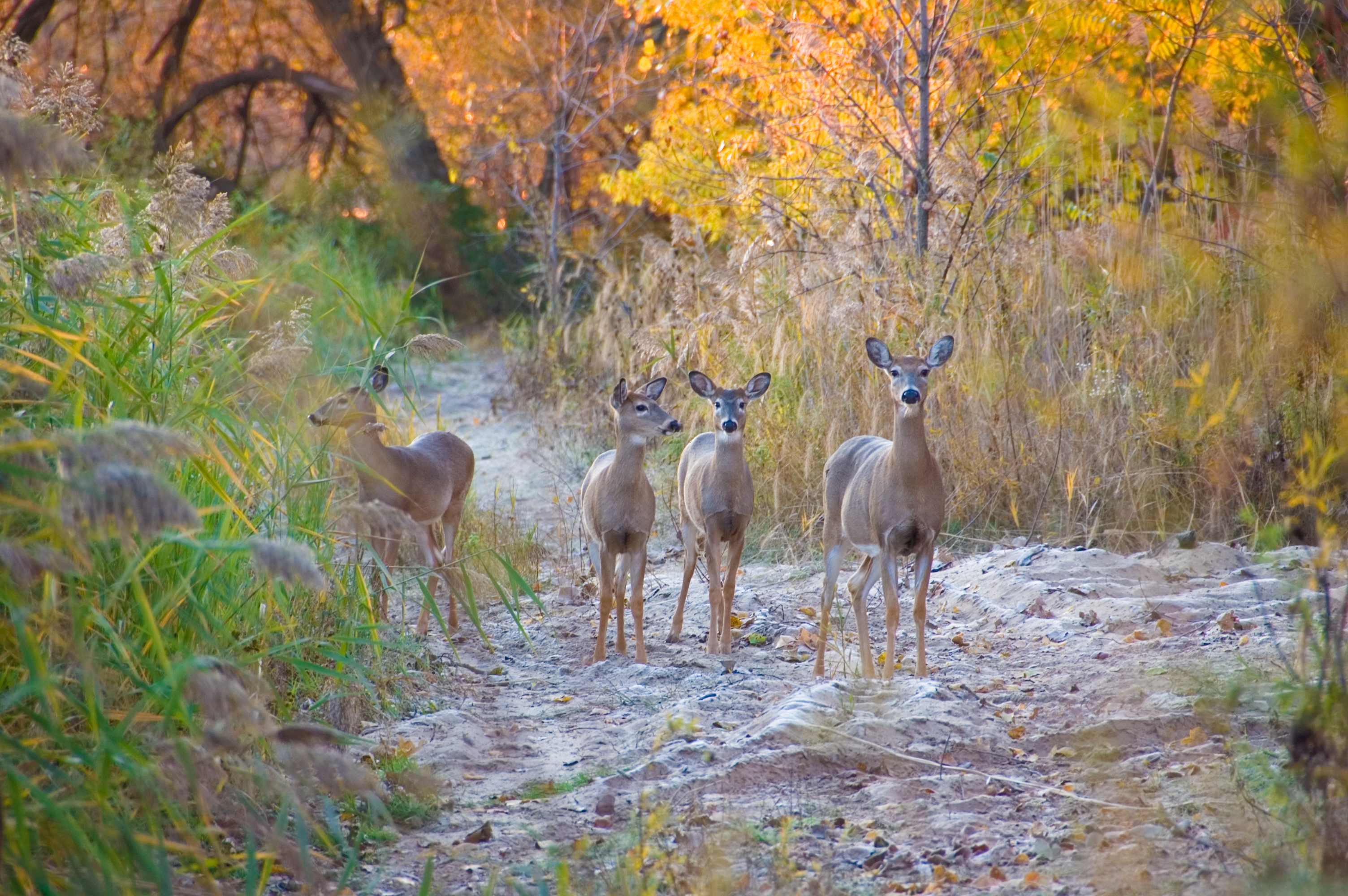
Beyond the Bow & Bullets: Finding Humane Solutions for Deer in a Shared World

https://www.freeimages.com/photographer/omster-com-50094

The Tragedy of Unnecessary Violence

The violence inflicted upon deer never fails to shock me. I am left wondering not only why we resort to such cruel measures, but how these actions continue to garner widespread support. I was a resident of Montgomery County, Maryland, for decades, and during that time I found great compassion for the plight of the deer.

As housing developments, traffic, highways, and human overpopulation exploded, the deer were increasingly blamed for everything. My view always focused on what we were doing to cause deer to suffer.

The use of bow hunting in densely populated suburban areas raises serious ethical and safety questions. When non-lethal methods are available, why do we choose a method that carries a high risk of wounding and prolonged suffering, simply to avoid sharing our landscape and yards?

The inhumane challenges facing deer are in clear display upon reading two tragic stories on a Montgomery County neighborhood website. Something as simple as leaving sports netting, or other nets up, can have fatal consequences for wildlife.

In one instance, a deer became tangled in a net used for sports. Instead of finding a humane solution to freeing the deer, police shot the deer several times. There was no mention of the deer having serious injuries, meaning the option of sedation and untangling was likely viable. The second serious concern is that several bullets result in a painful, slow death. The humane standard for severely injured wildlife requires rapid, painless chemical euthanasia administered by a trained professional, not the dangerous and often prolonged use of multiple police rounds. This failure of protocol speaks volumes about our current priorities.

The Failure to Rescue

I then read about another shocking deer story that occurred in that same neighborhood.  A fawn was left orphaned after his mother had been killed. From the details provided in the online story, it appears that no one was allowed to help the fawn. He was left to die of dehydration and starvation—a tragedy that is totally unacceptable.

This inaction is likely due to state or county laws that prohibit the rescue of seemingly abandoned fawns, even when the mother’s death is confirmed. These laws must be reviewed immediately to prioritize compassion over bureaucratic rigidity. There is no reason to leave an animal to die a slow death if there are licensed wildlife rehabilitators who are willing to help.  The point of this blog post is that it is totally unacceptable to leave deer suffering, and putting them out of their misery is often necessary. But we need to do this in a humane way – which is not accomplished by shooting bullets and hoping that after several shots  the animal might die. That is why I am proposing  humane euthanasia, and when it is feasible, rehabilitation by a licensed rehabber.

But due to the bureaucracy involved in this – it would not be possible for a deer or fawn in distress to wait for an answer if they were injured. A licensed rehabber it appears needs special permission from Maryland DNR Wildlife & Heritage Service to engage in deer rehabilitation. This is another reason we need trained wildlife technicians (through Department of Natural Resources) to be able to respond to deer that are seriously injured or hit by cars.

The Wider Problem: Outdated Policies and Attitudes

These local tragedies are further proof that our wildlife laws and agencies are all too often governed by outdated and totally inhumane concepts. Instead of humanity being the guiding principle, violence is often resorted to.

I witnessed this failure firsthand years ago driving down Route 28 in Darnestown, MD. I pulled over to see a police officer standing over a fawn, pistol drawn, confirming the young deer had a broken back after being hit by a car. I asked if humane euthanasia was possible. The officer replied they had to shoot him.

To this day, I am despaired by the lack of a system for compassionate, immediate end-of-life care for suffering animals. I have seen deer suffer through many rounds of ammunition after horrific accidents, which only compounds the initial injury. (Stories of this horrific suffering inspired me to write about this issue extensively in my upcoming book, More Stories Along the Golden Path of Nature.)

There has to be a way to teach people how to drive with far more concern and awareness for animals. This in itself would go a long way towards reducing deaths and injuries of wild and domestic animals on our roads.

What are the Humane Alternatives?

As a society, we need to come up with a much more humane approach to dealing with deer and other wildlife issues. It is time to implement a comprehensive, community-focused, and non-lethal approach.

This includes exploring cutting-edge, proven methods like immunocontraception (fertility control) for deer populations, investing in wildlife corridors and fencing along major highways, as well as prioritizing driver education to reduce road collisions. Deer fencing is more reasonable approach to keep deer from your vegetable garden.

 The Crown Farm in Gaithersburg, Maryland was once an oasis abundant with song birds, acres of land and historic structures. I had the pleasure of living in an apartment that over looked this picturesque ecosystem. Years after I moved, the farm died underneath a massive sprawl of pavement and development. Surrounded by highways and development, where did all the deer, birds, coyote and other wildlife have to go? . We need to include these birds and animals in our plans and create a more integrated system.

Humane Tip: Takedown the Netting!

Leaving a net unmonitored is a disaster waiting to happen, as I witnessed when I moved to Germantown, Maryland, next to a beautiful forest. When our neighbor placed netting around his young trees, I grew concerned it might turn into a death trap for wildlife.

On an afternoon walk, I saw a house wren desperately struggling for its life in the netting. The harder the bird pulled, the more he was strangling himself. I ran inside, grabbed a pair of manicure scissors, and very cautiously trimmed the netting away. After the last strand was cut, the grateful wren flew free. This close call proves that nets are deadly traps. I spoke to my neighbor about the near death of the bird in his netting, but he refused to remove the net. Needless to say I was intensely upset and disappointed.

If you use nets for sports activities, take them down immediately when not in use, or cover them up with a tarp to keep wildlife away. Avoid using nets around trees or the garden entirely.

Humane alternatives for protecting plants and trees include:

  • Physical Barriers: Using less harmful materials like polypropylene fabric, garden cloth, or natural burlap.
  • Visual Deterrents: Employing reflective tape or scarecrows.
  • Predator Decoys: Using realistic decoys like owls or hawks.

I strongly suggest checking any type of physical barrier every day to further ensure no birds or wild animals are caught and harmed.

A Plea for More Humanity:

The choice between bullets and compassion is not a complex one. The violence we inflict upon deer—from slow, traumatic deaths by multiple gunshots to allowing fawns to starve because of archaic laws—is a direct reflection of our own failure to prioritize humane values.

The loss of the Crown Farm, the suffering of a fawn on Route 28, and the silence from our regulatory agencies all stem from one core belief: that wildlife exists solely for our convenience, and when they inconvenience us, they must be eliminated.

We are capable of greater empathy. We have the technology, from immunocontraception to wildlife corridors, to mitigate conflict without bloodshed. What we need now is the  collective moral will to demand that our wildlife management policies embrace humane policies as their guiding principle.

This is not just a plea for the deer; it is a plea for our own humanity. Let us choose compassion, demand accountability, and create a shared world where every life, wild or otherwise, is valued.

Copyright – Cynthia Fain – November 2026

A Call to Action: How We Can Share Our Planet Safely with Every Creature

Pixabay License for fox photo (photographer Jeanette Atherton)

The danger of standing water extends to swimming pools. Even a small frog or a tired songbird can get trapped. If you have a pool, you must have a safety mechanism for wildlife and amphibians. Consider installing a Frog Log, Skamper-Ramp, or other boarding steps. These simple safety precautions save lives. (Link to an article about swimming pools and safety for wildlife: https://www.humanegardener.com/wildlife-and-swimming-pools/)

Our responsibility to keep our property safe also extends to removing hazardous debris we leave behind, especially near natural water bodies.


Whispers of Healing: Honoring My Magical Cat Companions

SHADOW’S RESCUE – JUNE 2011

The silence on this blog has been a reflection of my emotions, mirroring the sorrow that fell over my heart after the passing of my beloved cat, Shadow. Grief stole my words for a time. In honoring his memory, I find solace in sharing stories of incredible feline companions who have shaped my life. These cats brought remarkable healing, companionship, and purpose to my life.

The grief we experience when our companion animals pass is immeasurable. Writing and journaling about my memories helps me cope with the loss and allows me to honor their amazing lives and contributions.

Every day since his passing on November 15, 2024, I have cried and reflected on our time together. I believe the angels guided Shadow to me in his darkest hour in June 2011.

A despairing cry echoed from the parking lot outside my cottage on a warm, humid June night. Gripped by the chilling sound of a life-or-death struggle, my heart pounded as I bolted toward the front door, flinging it open and running into the dimly lit parking lot.

The cat’s eyes gazed up at me, silently pleading for help; his frail body a testament to the long, perilous journey he had endured. Without a second thought, I rushed into my cottage, grabbed a can of Wellness cat food, and placed it in front of him. He devoured it with desperate speed, as though it were his first meal in ages.

Tearing up, I thought to myself, “Who in God’s name could have abandoned this cat?” He was a gentle soul and clearly had been someone’s pet. From that night on, knowing that I was meant to keep him, Shadow and I shared a great bond.

I soon learned he was full of personality, love, and a great enthusiasm for life. Whether he was charging for his food, dashing up a tree, enthusiastically walking on his harness, or sleeping with his head on my shoulder, Shadow put his heart into all his endeavors.

Tonight, I miss him dearly. Throughout his life, he always showed his deep appreciation for my rescuing him on that fateful night. May we meet again, share more fun times, and forge new horizons. Shadow, you are loved and missed!

BUCKY – THE CAT THAT SAVED MY LIFE

Cats seem to show up in our lives in the most ingenious ways, and when we need them the most. Anyone who has ever endured a dark night of the soul journey knows what a relief it is when a ray of light or love breaks through.

On a cold, dreary, rainy November day, a crying kitten sat outside my apartment near the University of Maryland. My heart could not bear the sight of a hungry and traumatized kitten sitting in the rain. I wasted no time scooping him up and bringing him into my apartment. Ignoring the management’s stern warnings about not keeping pets, I named him Bucky and proceeded to make his first veterinary appointment.

After Bucky’s examination, the veterinarian said he could use some groceries and that his muteness was likely due to an untreated respiratory condition.

Bucky’s appearance at my door happened shortly after my father, Martin Fain’s, death. Tragically, at just 55 years old, he passed away on August 31, 1982. My life had fallen into a severe depression and total loss of direction. In the aftermath of his death, I walked through the valleys of despair and fear that engulfed me.

Bucky’s entrance into my life was a soul awakening. Every morning, his little paws walked all over my face in an awkward attempt to awaken me for his food. Feeling him prance all over me, I knew God had important plans for me!

Bucky’s spirit pulled me from the abyss of my most challenging time. He stole my heart with his soft meow and fumbling to climb onto the couch. The aroma of a new loaf of bread sent him rushing to the kitchen, where he quickly pounced on the bread and began biting into it. Running down the hall, his favorite game was competing with my cat Wally for the stack of pillows in my mother’s old bedroom. After outrunning Wally, Bucky proudly sat like a king on the throne of pillows as Wally, feeling defeated, retreated down the hallway.

Bucky’s arrival turned into a life-saving change, bringing me joy, purpose, and a new view of life. I re-enrolled at the University of Maryland and pursued my B. A in Government and Politics. Back on track and gaining speed, I graduated in May of 1985.

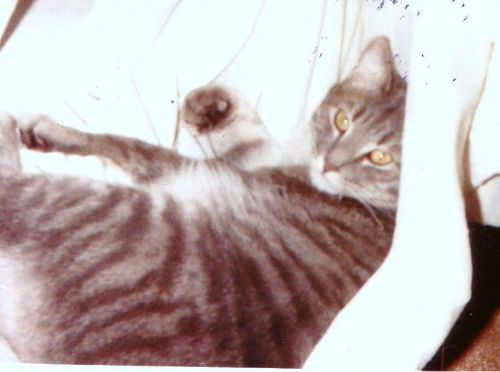
The time following my father’s passing was the darkest and most terrifying of my life. Against that backdrop of despair, a gentle grey tabby appeared on a cold November day, a small miracle. Bucky’s light, love, and encouragement were a lifeline, and I am forever thankful for all that he brought me.

WALLY – A MOST MAGICAL CAT

A mysterious teacher entered my life at the end of 1988.

On a cold winter night in January 1988, my sister and her friend stopped by a Seven-Eleven store near the University of Maryland. They sprang into rescue mode when they saw an emaciated tabby kitten and its twin sibling feeding on handouts of French fries. Gravely concerned about the plight of the sibling kittens, they managed to lure one of the cats into her car. Tragically, as the other kitten was approached, he dashed into the night. Unable to find him, they left the Seven-Eleven, grieved, wondering if the kitten would eventually find help.

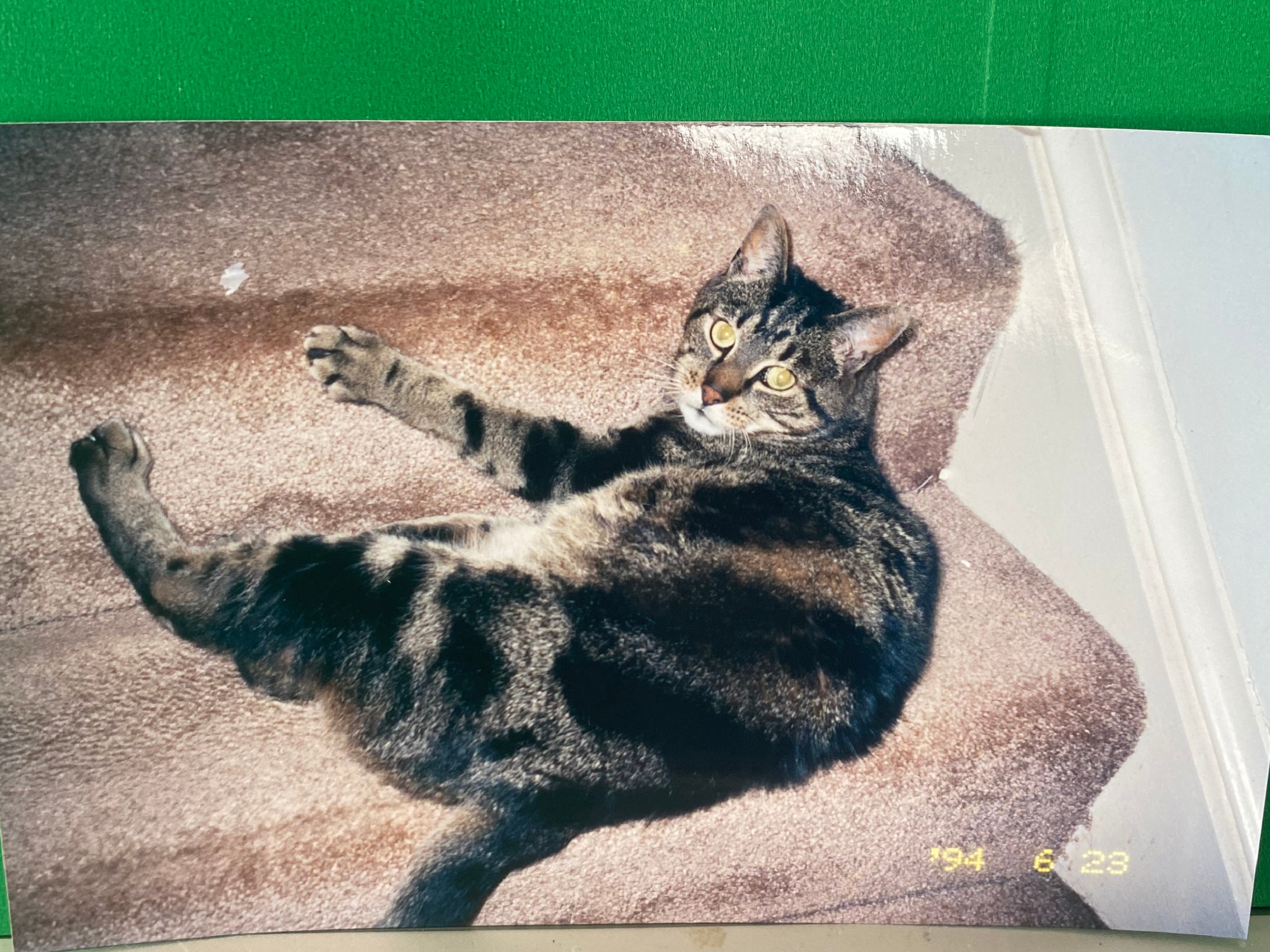
Upon returning from the store, my sister entered the house with a bulging coat. Curiously eyeing what looked like a pregnancy, I asked, “What is that moving under your coat?” She unzipped her coat, and out popped the kitten, eager to explore his new home. After watching him enthusiastically investigate his new surroundings, we all came up with the name Wally.

Over the following weeks, as I observed Wally, I noticed his unique way of communicating. Tuning into my energy, he intently scanned my posture and expressions. With eyes that seemed to pierce through dimensions, he curiously investigated my emotional state. Then, having gathered all the information he needed, he would suddenly take off in a burst of playful energy, zooming around the house.

Eager to display his speed and agility, he challenged our pugs to a wrestling match on the stairs. He could easily outpace the dogs, leaving them outwitted, frustrated, and panting.

Wally was a great protector. Coming home late at night, I cautiously walked through the courtyard of our apartment complex. Looking around, I carefully surveyed my surroundings, ensuring I was not being followed. Always anticipating my arrival, Wally diligently kept guard at the window above the courtyard, and with his keen eye, followed me until I safely made it upstairs.

In 2001, Wally began experiencing persistent digestive upset and vomiting. Frustratingly, a year of visits to allopathic veterinarians yielded multiple incorrect diagnoses, including pancreatic cancer, diabetes, and irritable bowel syndrome. Seeking an alternative perspective, a holistic veterinarian reviewed Wally’s lab work and confidently refuted these diagnoses. She suggested a homemade diet and provided me with a holistic recipe book to guide Wally’s meal planning. In addition to the new food, she initiated homeopathic treatment to support Wally’s digestive healing.

Upon returning from the holistic vet, I became worried and insecure that the homemade diet might not be nutritionally balanced or that I might somehow fail Wally in my cooking. I decided to instead try other healthier brands of cat food.

My journey with Wally took a painful turn when my attempts to transition him to new canned food failed due to his stubborn loyalty to his dry kibble. His health began to deteriorate, a decline I now know was fueled by something insidious within his seemingly harmless food.

 It wasn’t until a powerful reading with a psychic in October 2001 that the truth emerged. She pinpointed chemical preservatives in his long-time dry food as the problem. The moment I read the ingredient list and saw “BHT” listed, a wave of regret washed over me. How had I been so blind? My subsequent research revealed the shocking reality: BHT was a known carcinogen, potentially causing lymphoma in pets.

This discovery ignited a fierce determination to understand why this was allowed in pet food. Wally’s experience became a profound, albeit painful, lesson. My hesitation to cook for him stemmed from a fear of nutritional imbalance, an insecurity that ultimately cost him dearly.

I began cooking for Wally and started with simple recipes. The benefits of the homemade food were immediately visible. Wally’s embrace of the food marked the beginning of his recovery, a change I witnessed with relief as it fueled a movement towards healing.

In one of my life’s most painful lessons, Wally revealed the cost of my hesitation. My insecurity about introducing homemade meals tragically caused Wally’s further decline. The instant Wally began eating the homemade food and rejected his dry kibble, his healing journey commenced. I meticulously chronicled each positive change in my journal. Regrettably, the prolonged exposure to preservatives in his previous diet had inflicted damage to his kidneys. Despite the near-miraculous effects of combining homemade food with homeopathy, his severely deficient kidneys and persistent weight loss presented him with continued challenges.

Wally, during your long illness and the miraculous healings that followed, we traveled many roads together. You taught me invaluable lessons: the power of perseverance, the importance of courage, and the necessity of seeking solutions. Every magical moment we shared will be honored and forever remembered. Through countless veterinary visits, frustrating tests and misdiagnoses, and finally, your healing, my love and cherishment for you only deepened. You were, and always will be, my greatest teacher.

Copyright – April 20, 2025 – Cynthia A. Fain

l

Remembering Shadow: A Cat’s Journey of Love and Healing

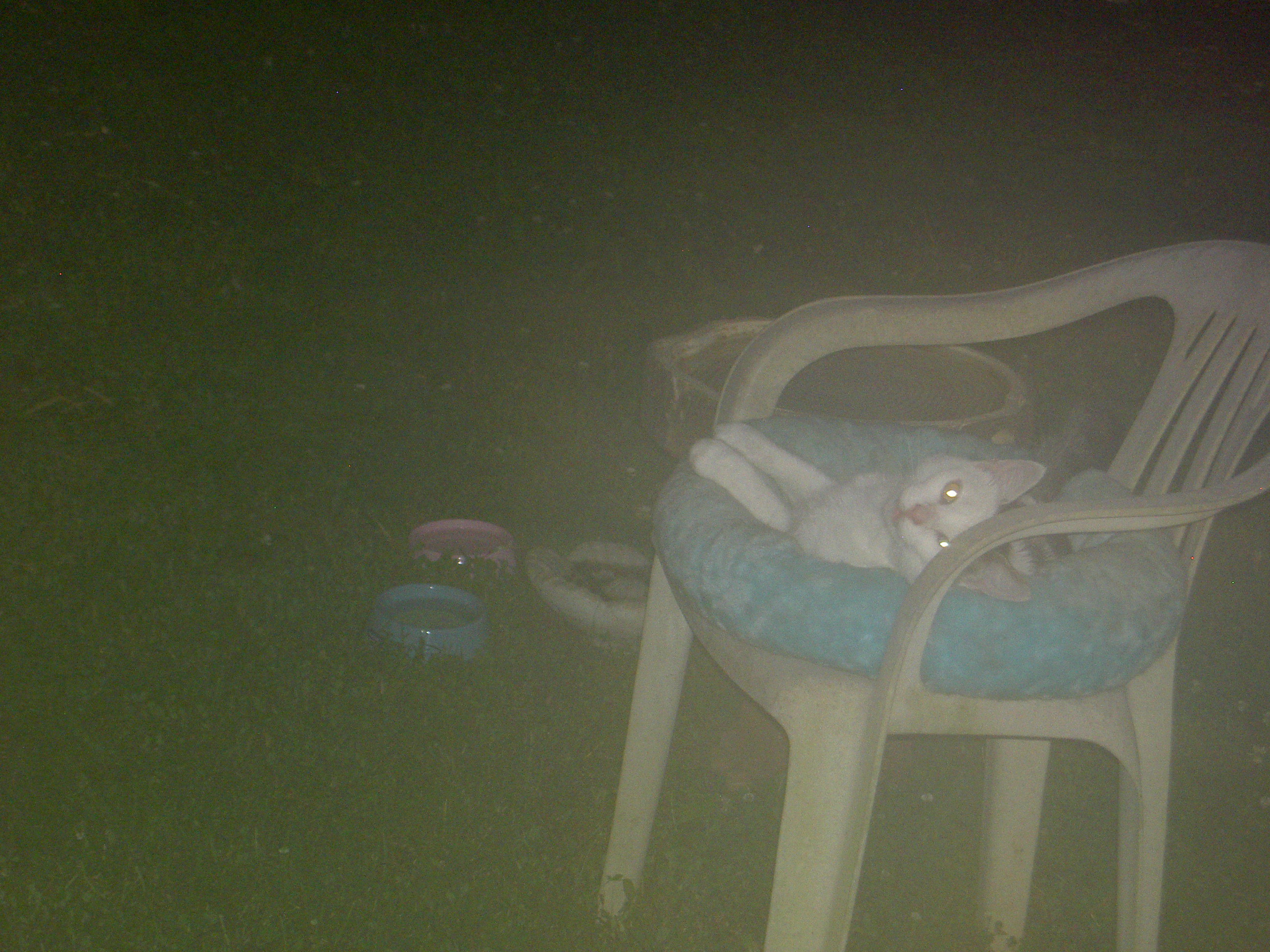
Shadow when he was rescued Azalea Cottage

Photograph of Shadow taken by Cynthia Fain – June 2011

The years of my life have been illuminated by cats that found their way to me through magical and mysterious means. Each cat became the love and joy of my life. It seems they pass through our lives so quickly and leave a legacy of meaningful memories and love.

I began this blog post a few weeks before my beloved cat Shadow was put to sleep. The healing, magic and joy that he brought to my life will be forever with me. On a hot summer night, anguished cries rang out in our front parking lot. Running for the door, I felt my heart pounding, wondering what I would find.

Walking up the driveway, was an exhausted starving cat. His cries echoed with the sorrow of a cat that had wandered a long – dark road; meandering through an eternity where he would never find help. That night has never left my memory or heart. In all my years of rescuing cats I had never seen one that was more emotionally traumatized.

Shadow’s story unfolded in harmony with the celestial events of June 2011, when we were under the total lunar eclipse. Every day was another adventure as Shadow healed and regained strength. The sound of the cat food being opened, ignited Shadow into his mad dash to the big sunny bathroom where I always fed him. Everything he did had an exuberance to it, including his transformation to Jaws, when he playfully bit me through the blankets.

We had many adventures together, including when we lived in a hill top house in the Blue Ridge of Virginia. Brilliant visions of mountain tops, rainbows, misty mornings and running Shadow in the meadow on his harness, bring back touching memories. Another one of Shadow’s favorite explorations was to climb the small tree in front of a farmhouse we were renting in Charlottesville, Virginia. He was always on his harness when he conquered the tree, and when he got to the top he looked so elated at his great accomplishment.

In July 2024 – Shadow’s normally festive behavior, wilted into a depressed – listless corner. After several trips to the veterinarian, in mid-October, an ultra sound showed a tumor covering part of his bladder. I spent weeks sobbing and praying Shadow would be able to find healing and have some quality time left. I was hopeful that Shadow would live a few more months when he was placed on Piroxicam to help shrink the tumor, and anti-biotics for a urinary tract infection.

I also consulted a homeopathic veterinarian about Shadow’s case, and he prescribed a remedy to help with his healing. After adding the homeopathy to his medical plan, Shadow regained some of his appetite. Every day I looked for a sign of hope that he would make it through this difficult journey. Shadow took many ups and downs along the way. There were days when he showed strength and ate better, and then he would slip back into depression and lethargy.

Shadow always perked up for his daily time by the forest edge in our backyard where he would sit under the shade of the trees. The second I put him in his large green play pen his life force awakened as he heard the songs of the birds and felt the mountain air. In the morning he sat on the front porch as the early morning sun rose over the mountains.

The week of November 15th Shadow took a turn for the worse when he seemed withdrawn, unusually thin, and not eating well. I consulted an animal communicator on the evening of November 14th and she told me he was having discomfort urinating. She did not see him being able to make a comeback due to the extent of the tumor.

The morning of November 15th, 2024 was one of the hardest days of my life. Shadow was nauseated and I could tell he was ready to move on. Much needed rains had fallen the day and night before, leaving the earth fertile and green, after a long drought. The morning air beckoned us to explore the yard and give Shadow a final healing adventure.

Crying and holding Shadow I took him outside to feel the healing earth and visit all his favorite places. The spirit of the giant oak tree always brought us healing, and Shadow gently reached up and scratched the base of the tree. Our next stop was the little grove with pine trees and green grass where Shadow and I spent many an afternoon enjoying the summer.

After his time exploring the earth, I gently put Shadow into his pink carrier to go to the veterinarians to see if they agreed with me that it was best to put him to sleep.

When we arrived to the veterinarians office I felt like I was in a very sad dream. Our veterinarian came into the exam room holding back tears. She knew how hard we all fought to bring Shadow quality of life and healing. Choking up she said, “We never like to do this. I myself am dealing with a cat that is severely thin and in renal failure and am deciding what to do with her.”

We put Shadow on the scale and his weight was dangerously low at 4.7 pounds. We sadly agreed that it was best to put Shadow to sleep based on his poor prognosis and quality of life. I sobbed and held Shadow next to me. No more powerful expression has ever been felt then when he put his paws around my neck and clung to me. Finding that most humane time to put your companion animal to sleep is one of the hardest decisions any of us will ever make.

There are no words to describe how I felt seeing Shadow for the last time. I left that day and still feel his presence with me. My cat Serena misses him terribly and she cries for him and looks for him in his carrier. The memories of the night he came crying to me, as well as our fun journeys will be forever with me.

Shadow you were loved more then you will ever know – a soul mate indeed. May we meet again!

Copyright – Cynthia Fain – December 7, 2024

CATS AT THE POLK COUNTY, FLORIDA ANIMAL SHELTER NEED YOUR HELP

Photograph is not from Polk County Animal Shelter- (Pixabay License – Guvo59 Photographer)

I was recently contacted over LinkedIn by fellow animal activist, Jessica Ragazzo, about very disturbing conditions at the Polk County, Florida Animal Shelter. The shelter, which is in Winter Haven, Florida, has recently been the subject of much media and public scrutiny.

Animal advocate, Natalie Scott, toured the facility and shared very serious concerns about the health and welfare of the cats she photographed. After watching the media reports about this – I believe this shelter should have been investigated for animal welfare violations, including the lack of air conditioning and lack of water! In the video she talks of the tragedy of seeing kittens covered in feces and filth. This is absolutely unacceptable and should be immediately be addressed.

I encourage readers of my blog to click on the following video which documents the cats and kittens that are lethargic and panting heavily as they lay in cages in the Florida heat. Here is a link to one of the media reports: https://www.youtube.com/watch?v=BecVWJkkpSI

If this is considered acceptable treatment of cats and kittens in an animal shelter- then torture through over heating and dehydration is considered animal welfare. No animal, in any shelter, should be subjected to severe heat and dehydration.

Anyone with any concern about animal welfare can clearly see the suffering of these cats and kittens in the video she took. It is impossible to believe that any official involved in the oversight of this shelter could defend this type of neglect and cruelty. After viewing the video in the link above, this is not some bureaucratic issue that should be dragging on for years. This over crowding, lack of air conditioning and water should not be acceptable in any animal shelter. The Polk County Animal Shelter also has a very high euthanasia rate which is also extremely concerning.

The Best Friends Animal Society has offered assistance to the Polk County Animal Shelter. Here is a link to how they have helped implement foster programs at the Polk County Shelter – https://bestfriends.org/stories/best-friends-magazine/best-friends-satellite-foster-programs-take. In a recent communication to Jessica Ragazzo, The Best Friends Animal Society, stated that the Polk County Animal Shelter would have to create changes that ensure a 90% save rate as well as implementing a comprehensive community cat program . Once those changes are made, The Best Friends Animal Society can resume working with the Polk County Animal Shelter.

I believe all animal shelters should have proper oversight by governing authorities. In times when those authorities do not take proper protective – legal measures, it takes major efforts by animal advocates and animal welfare organizations to get productive change! Please contact Jessica Ragazzo at jessicaragazzo@gmail.com if you would like more information about the important campaign to see major humanitarian changes instituted at this shelter. There is also a Facebook Group – Charlies Angels and The Last Chance Advocacy Group, which is set up to help the animals at the Polk County Animal Shelter.

Please feel free to contact me if you get involved in this important issue and want to share any updates. Thanks for your concern and let’s keep the pressure on those whose responsibility it is to protect these animals!

RETURN TO MYSTICAL ANIMALS OF ANCIENT OAK

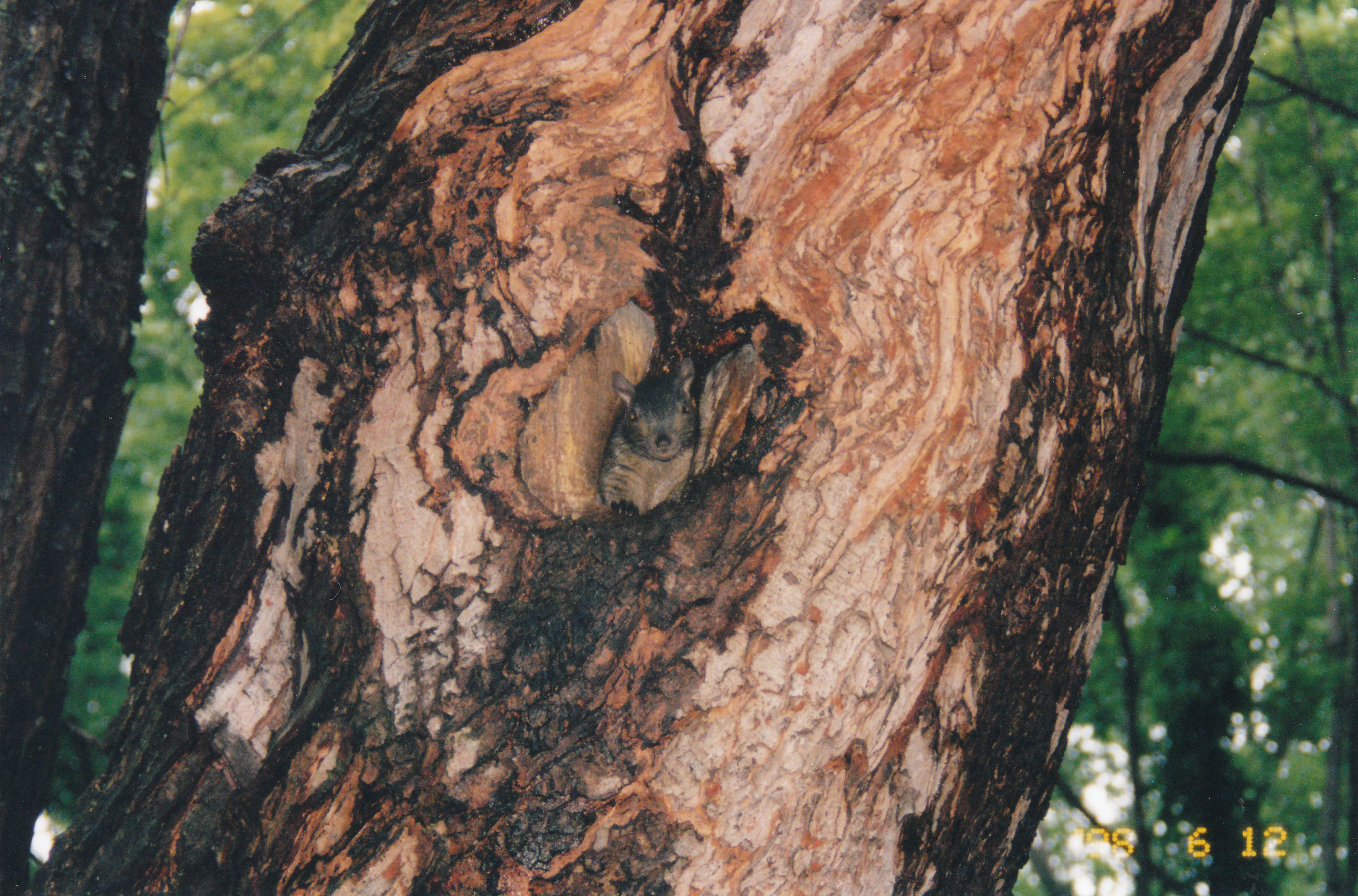
Copyright – Photograph taken by Cynthia Fain June 1998

Tonight I am writing from a very magical place called Raphine, Virginia in Rockbridge County. Imbued with primordial ambiance, this area sits nestled between the Blue Ridge and Allegheny Mountains, where clean air and crystal blue skies abound. Woodlands, meadows and farms surround us and song bird melodies fill the air.

As the sunsets, a pink glow hovers over the mountains, and the creatures of the night emerge from their hidden realms. Darting fireflies create a grand illumination streaking through the woods while opossums forage for food and coyotes journey on their nightly prowl.

Prior to my time in Virginia, I had been a lifelong Montgomery County Maryland resident. A new era began for me in late 2010 when I moved to a cottage in Rappahannock County Virginia. Every morning was filled with magic, as I headed out to the forest and followed the trail to the creek. What an enchanted way to live, among nature and the foothills.

My plan  to have a one year hiatus, turned into a twelve year journey through the Blue Ridge of Virginia. My adventures wove through Rappahannock County, Rockbridge County, Charlottesville, Virginia and finally off to Culpeper, Virginia. Throughout the years in Virginia, I reflected back to one of the most memorable times in my life, in the community of Ancient Oak in Darnestown, MD. The healing spirit that Ancient Oak brought me was not lost throughout the challenges of time.

I will never forget my mother and I taking our first exciting drive to the Ancient Oak neighborhood. It was the summer of 1996 and we had suffered through too many years in a condo with noisy neighbors. As soon as we turned onto Chestnut Oak Drive, charming houses with large meadows and trees, evoked a feeling of an era which has sadly vanished.

Neighborhoods with meadows, forests and ponds have tragically been destroyed by cookie cutter – high density housing. Every time a new neighborhood is built – more wild places that once harbored song birds, deer, creeks and trees – are turned into a sterile universe. Where are the magical places for people to explore? Why does everything have to turn to concrete, technology and huge overpriced houses?

Mystical Animals of Ancient Oak, my first book (currently being edited for re-publishing) captured the stories of the animals and birds that lived in our yard and defined the root of our experience. Every day the squirrels, birds, chipmunks, raccoons, ground hogs and deer created a tapestry of stories that brought meaning, joy and healing to my life. Whether it was Black Matriarch Squirrel boldly chasing the other squirrels away, Old Timer in his great last climb up the oak tree, or Neighborhood Bully the feisty orange tabby cat patrolling our yard, each day was a magical unfolding.

In today’s world of lifeless developments, where are the adventurous green places to explore? People are so fascinated by technology such as apps, iPhones, lap tops and artificial intelligence – we need more emphasis on the importance of nature.

As the suburbs turned into these cloned subdivisions – people became totally disconnected from wildlife. The deer have taken an insane amount of violence and hatred. All these people complaining about wanting all the deer killed – they are sitting on what was once the deer’s home, trails, and food source. I have never understood all this displaced anger on the deer. Every time we drive our cars, we are driving on what was once earth. We cannot imagine how a huge highway might have once been a forest, because all we see is our world of conveniences.

Whenever I see any animal that has been hit and killed on the roads, I always say a prayer. We may never know the amount of suffering caused to the animal kingdom by our driving and hitting all these animals. They too had their daily lives, and missions that tragically were cut short.

My message here is that our daily lives need to be more intertwined with a deep seated awareness of how much we need to give back to the planet and the creatures. Living in the Blue Ridge, nature is always around you; whether it is the mountains, the forests or farms. But upon returning to the suburbs, the air pollution, traffic, and concrete jungle are the challenges we face.

The stories of our time in Ancient Oak are profoundly important reminders of what we stand to lose if we do not take compassionate, focused care of the planet and her creatures. Finding the power and importance of the animals and their stories is a monumental key to preserving and restoring our environment – for humanity and well as the animals.

Always travel through your day with the awareness of the preciousness of all of life. Learn to see the stories in all the animals around you. Nature is asking us to step back into awareness, compassion and reconnection with her cycles. May everyday be a mystical journey with an abundance of nature and adventures.

Copyright – Cynthia Fain – July 23, 2024

WHY IS HELPING SENIORS LESS IMPORTANT THAN PROFITS FOR CORPORATIONS?

Pixabay License – Monsterkoi

In a previous post, I discussed the critical issues facing home health care aides, highlighting their inadequate pay and the lack of appreciation for their vital roles. During my five years in this profession, my passion for the job was overshadowed by the struggle to survive on such low earnings. It baffles me that roles dedicated to assisting the most vulnerable are not rewarded with better compensation. Our nation seems fixated on corporate profits, often at the expense of pressing humanitarian needs.

Now, I turn to another urgent issue: the financial challenges that seniors face with the healthcare system. Why must seniors, after decades of contributing to Medicare, still shoulder the burden of additional costs through Medi-Gap, drug plans, or Medicare Advantage Plans? These expenses can escalate to unmanageable levels, a problem that should have been addressed by Congress long ago.

Recently, news outlets have been covering the dissatisfaction of companies like Humana with their declining profits in the Medicare Advantage sector. Yet, the focus remains troublingly skewed towards profits rather than addressing the numerous issues consumers face with these plans, such as high co-pays, denied procedures, and frustrating delays.

Personally, I was inclined to opt for a Medi-Gap plan, aware of the potential pitfalls of Medicare Advantage plans. However, due to cost concerns, I enrolled in an AARP – United Health Care Medicare Advantage Plan, which has no premium.

My plan is set to activate on June 1st, and although I’ve received my approval letter and I.D. number, trying to confirm the details of the plan’s provider network turned into a frustrating hour-long ordeal with overseas customer service representatives. After numerous transfers, I ended up speaking with a salesperson that was unable to assist and directed me back to the department I’d originally called. The lack of straightforward assistance was disheartening, especially considering the potential future needs for serious medical pre-authorizations.

I wonder, as I grow older, what challenges I might face affording my own healthcare. No senior should have to forgo necessary health benefits due to financial constraints. We must strive for a healthcare system that prioritizes fairness and patient care over corporate profits. The frequent issues of denials, delays, and payment problems within these plans signal a desperate need for an overhaul and tighter regulation of Medicare Advantage plans.

Moreover, a doctor’s office I regularly visited in Montgomery County, MD, recently informed me they no longer accept United Health Care Insurance, including their Medicare Advantage plans. The reasons were not disclosed, but this development is troubling for all patients under such plans, indicating a growing issue with provider networks.

It’s clear that resolving issues within a multifaceted and costly system is no simple task. However, it’s crucial that bureaucratic hurdles and the high costs of medications and healthcare services do not prevent vulnerable groups from accessing necessary medical care. I envision a future where our nation embraces a healthcare model that prioritizes compassionate and effective treatment over corporate profits.

Embracing Compassion: My Evolution as a Home Health Aide

Top of Form

Pixabay License – Image By Randgruppe

Life often leads us down unexpected paths that can blossom into remarkable experiences. In the spring of 2018, a shift in my career trajectory as an events planner, led me to seek additional employment. With an open mind, I ventured into a local home health aide company and embarked on a new journey as a Personal Care Assistant after completing rigorous training and certification.

Filled with anticipation and a hint of nervousness, I set out on an April morning to meet my first client. Welcomed by a tall, smiling woman at her door, I sensed an immediate connection. As we conversed, it became evident that we were destined to make a formidable team. Guiding her as she led the way to her breakfast table, I prepared her meal and joined her for a shared moment.

Following breakfast, I tended to household chores, ensuring her surroundings were tidy as she indulged in her morning shower. After assisting her with dressing, we embarked on our daily routine, visiting her chiropractor, and tackling errands at the grocery store. One of her favorite activities was going to the gym and riding the exercise bike. We often laughed when she was tempted by the deli sandwiches at the gym’s cafe, and the call to eat a roast beef sandwich over shadowed her inspiration for a work out.

One of the most rewarding aspects of this role was the profound sense of fulfillment derived from knowing I was making a meaningful difference in someone’s life. Each morning, as I approached her door, I was met with eager anticipation, knowing that my presence was genuinely appreciated.

My subsequent assignment led me to a picturesque town nestled in the heart of Rappahannock County, Virginia. Following a long, winding driveway that ascended gracefully up the hillside, I arrived at a charming small house. Upon reaching the summit, I was greeted by a breathtaking panoramic vista of lush meadows and magical forests stretching as far as the eye could see. Waiting at the door in her wheelchair was a delicate-looking woman, her warm welcome contrasting with the casual flick of her cigarette butt onto the wooden deck before inviting me inside.

Days spent with her were enriched by the captivating tales of her upbringing in Rappahannock County, Virginia. Her family’s homestead sprawled across acres of farmland, nestled near the banks of the Hazel River, painting a vivid picture of rural life steeped in tradition and heritage.

After indulging in mornings filled with old westerns on TV, my client often sought my assistance in transcribing her poetry. Following these moments of creativity, my duties as a home health aide would resume, encompassing everything from helping with her bath to managing cleaning, laundry, and errands.

However, as the specter of COVID-19 loomed large on the horizon in late winter and early spring of 2020, the landscape of my work dramatically shifted. With the pandemic evolving from an unknown threat to a mass casualty concern, one of my client’s families made the difficult decision to suspend in-home aide services for safety reasons.

Amidst this upheaval, I found myself attending to the needs of three clients during the pandemic’s peak, donning protective gear—face mask, gloves—and armed with a thermometer as I navigated each day’s responsibilities.

As the crisis unfolded, the glaring issue of the shortage of home health aides became a focal point in the media. The abysmally low pay in the industry often compelled individuals to work double shifts or take on additional jobs to make ends meet.

Yet, amidst these challenges, it became increasingly evident that the broader societal conversation surrounding the elderly and disabled needed urgent attention. Ensuring the availability of adequately trained and fairly compensated home health aides emerged as a matter of utmost importance. For those reliant on aides for essential daily tasks, from personal hygiene to medical appointments and grocery shopping, their indispensable support is profoundly important.

To ensure an ample supply of well-trained home health aides, it is imperative to significantly increase the pay for these critical roles. Currently, wages often hover below $15.00 per hour, rendering it impossible for individuals to cover basic expenses such as rent. Moreover, many of these positions lack any form of benefits.

It is essential for our society to place a higher premium on the proper care of the elderly and disabled by enhancing the compensation for those who serve in these capacities. The work performed by home health aides is invaluable, and it defies logic that those responsible for safeguarding vulnerable populations are compensated at levels that condemn them to financial hardship.

If you have personal experience as a home health aide or have a loved one who relies on their assistance, I am eager to hear from you. What suggestions do you have for improving the quality of life for both aides and those who depend on them?

Copyright – Cynthia Fain – March 2024

ADVOCATING COMPASSION: ENSURING ETHICAL TREATMENT FOR MICE AND RATS

Photo by Greg 70 – Pixabay License

In my formative years, I resided within an apartment complex situated in Silver Spring, Maryland during the transformative decades of the 1960s and 70s. The complex’s waste disposal system was comprised of a noxious incinerator, where we disposed of our refuse. This pollution-emitting apparatus faltered on a scorching Memorial Day weekend, leaving large bags of trash strewn about. Decaying under the blistering sun, the rotting refuse attracted unexpected guests. An invasion of rats, drawn by the prospect of feasting on the garbage, migrated into the apartments. Faced with this rodent influx, the apartment management took swift action, enlisting the services of a pest control company. In an attempt to curb the rat population, the professionals strategically placed poison bait around the premises.

This heralded a huge shift in my perception of rodents, and how we as humans, need to find more humane ways to deal with their incursions into our homes.

The strategically placed poison bait, unfolded into a heart-wrenching tragedy for the rats, as the poisons administered ensured a protracted and agonizing demise. The toxins manifested in the form of slow, torturous deaths, amplifying the sounds of the rats desperately scratching and struggling to be liberated from their dying struggle in the walls. The specific rodenticide employed remains a mystery, but certain variants induce a gradual bleeding to death.

The lingering smell of decomposing rodent bodies and the haunting echoes of their final struggles left an indelible mark on my childhood consciousness. This traumatic experience instilled in me a firm belief that there must exist more compassionate and humane methods for addressing the presence of mice and rats in our living spaces.

Years later, in 1990, I secured a lease for an apartment in Gaithersburg, MD, where the management engaged a pest control company to distribute black boxes laden with rodenticide outside of the apartment buildings. Our complex bordered a serene creek and lush forest, serving as a haven for diverse bird species and wildlife.

Driven by a growing concern, I delved into researching the potential perils posed by these outdoor poison-laden boxes. Beyond the cruel fate awaiting rats and mice, I unearthed an additional threat to non-targeted birds and wildlife. The interconnectedness of the ecosystem became glaringly apparent – if a hawk were to consume a rodent that had succumbed to the poison, the majestic bird too would face a tragic demise. This revelation struck a personal chord as I recalled an incident during my volunteer work at a local wildlife sanctuary in Bowie, MD. A hawk, a victim of poisoning from a mouse it had ingested, sat dying in his cage. This tragic incident reinforced the urgent need for reevaluating our methods of pest control to safeguard both intended and unintended victims of these lethal measures.

Not wasting anytime, I wrote a letter to the President of the property management company outlining all the hazards these poison boxes pose, and explained how it does nothing to stop rodents from proliferating. The most important thing to do was to make sure there are no food sources for the rodents, such as trash not properly contained etc. The urgency of adopting more thoughtful and comprehensive pest control strategies, centered on addressing root causes and safeguarding the broader community, resonated throughout my impassioned plea.

Upon receiving a response from the President of the property management company, I was elated to see he was receptive to my ideas. Expressing gratitude for the information I had supplied, he informed me that they were swiftly discontinuing the use of poison boxes, opting instead for a more proactive approach through preventive measures. This news was an immense relief, dispelling the nightmarish prospect of numerous rodents and potentially even birds of prey succumbing to a tragic fate. The shift towards a more humane and environmentally conscious strategy marked a significant step forward in fostering a harmonious coexistence within our community.

Tragically, many retail and property management companies often rely on these outdoor poison boxes, and this continues to put many animals and birds at risk of a painful death. I encourage anyone that works for establishments that use these rodenticide boxes to speak out about the hazards and ineffectiveness of these poisons. Always rally for the use of humane and ecologically sound alternatives.

Another inhumane disaster used to kill rodents are these glue traps that amount to slow torture. They should have NEVER been approved of or used. How could anyone watch a mouse sit in agony dying slowly in a glue trap? I worked as a caretaker in a house where glue traps were set. Every day I went to work I dreaded seeing the mice alive and writhing in these traps. I tried to talk the people out of using the traps, but they would not take them up. I spent many days using cooking oil and a spatula to remove living mice from the glue traps.

This firsthand experience underscored the urgent need for reevaluating our methods of pest control, steering away from cruel practices that subject living beings to unnecessary suffering.

One of the most humane and effective approaches to deter rats and mice from infiltrating your home involves the use of exclusion tactics, employing materials like steel wool and boards. Some dedicated companies specialize in assessing your residence for potential mouse entry points and executing exclusion work. This safe and proven method offers a compelling alternative to the use of poison and glue traps, promoting a more ethical and sustainable approach to pest control.

In my personal experience, I have also found success with humane catch-and-release traps for mice that manage to find their way into the house. Vigilant monitoring of these traps is crucial, and releasing the captured mice promptly is essential to prevent dehydration or any unnecessary suffering.

Encouragingly, I hope more people will opt for these humane alternatives over the inhumane practices of poison and glue traps when addressing rodent issues. There exists no justification for the prolonged suffering inflicted by such methods. As awareness grows, and individuals embrace preventative measures and humane traps, we move closer to a day when the use of glue traps is banned, and the reliance on poisons is replaced by more compassionate and preventive strategies.

Copyright – Cynthia Fain – March 2024

STEPPING STONES TO HEALING- A JOURNEY THROUGH SOUTH VALLEY PARK

Photograph of South Valley Park – Copyright Cynthia Fain – taken in 2007

The odyssey of my healing commenced with my mother’s triumphant survival
over a life-threatening health ordeal in March 1990. Buried in the tapestry of
my memories, was a magical place called South Valley Park. It seemed like
another lifetime when I rode my bike around the park’s ponds during my
melancholy high school years.

After my mother returned home from the hospital in April 1990, a fresh
chapter of exploration unfolded within the serenity of South Valley Park. As I
descended the hill, on a balmy spring afternoon, a cascade of emotions engulfed
me.  In the distance, the reflective canvas of Walkers Pond glistened with ripples of water. The pond was bordered by lush woodland, and a whimsical creek which gracefully
wound its way through the heart of the park.

Finding places of healing is profoundly important for us all, especially
during these times of so much stress. Nature provides a solace, and we need to
prioritize preserving as much of our natural resources as possible. With people
spending so much time in frustrating traffic and sitting in offices with
technology, getting out into nature is vital to our mental and physical health.

In the months and years after my mother’s recovery, South Valley Park became
my daily ritual. In this place of tranquility, time seemed to slow, and the
park, became not just a destination but a journey through family memories and
exciting new vistas.

I encourage people to find respectful and compassionate relationships with
nature. As a frequent visitor to South Valley Park I became a protective
guardian of the creatures there. Sadly, people left fishing line and hooks in
the ponds, which resulted in deaths and injuries to waterfowl and turtles. When
injured wildlife was spotted, our wildlife rescue team (including myself) sprang
into action, and rushed the ailing waterfowl or turtle to our local licensed
wildlife rehabilitator.

In my role as a guardian of the park, I forged connections with a myriad of
its inhabitants, and among them, Mr. Drake stood out—a flightless duck that
made the Theater Pond his home. Defying the odds, he navigated the waters, a
courageous survivor without the sanctuary of a protective island. Vulnerable to
potential threats from predators or untethered dogs his resilience struck a
chord within me. This unique bond blossomed into a friendship that later became
a wellspring of inspiration for my first book, “Mystical Animals of
Ancient Oak.”

The enchanted hour preceding sunset was my favorite time for a walk, when
the very soul of nature awoke, serenaded by the chorus of birds bidding farewell
to the day’s dwindling sunlight. Weaving between the pond and the creek was an
invitation to embark on a twilight journey. After thunderstorms, I ran to the
bridge straddling the creek, and felt the powerful water racing under me.

During a torrential storm, a helpless duckling struggled to stay afloat in
the currents of the creek. Peeping loudly and fighting against the rushing
water, he looked close to drowning. I wasted no time calling a friend of mine
that worked for the Department of Natural Resources and he quickly rushed to
the park. Using a net, the duckling was rescued from the perilous creek, and
placed in the pond with a mother duck and her brood. I thanked Curt for taking
time to come out and help an animal in need.

Passionate about being a park protector, I joined the Montgomery Village
Environment Committee in the early 1990’s. As a member of this important
committee we did water quality monitoring and voted on many important
environmental issues. My years on this committee and walks at the park were one
of the most important things I have ever undertaken. Being a part of your
community, whether it is parks, schools or other charitable work is incredibly
important. It gets you out of isolation and feeling detached, and you can
contribute to a good cause.

Adventure out into nature with compassion and awareness, and always look for
nature to teach you and heal you. I pray that places like South Valley Park
will remain protected from harm for eternity. I still walk the park, looking
for inspiration and communing with the ducks, birds, and all of nature.

Copyright – December 2023 – Cynthia A. Fain