A Call to Action: How We Can Share Our Planet Safely with Every Creature

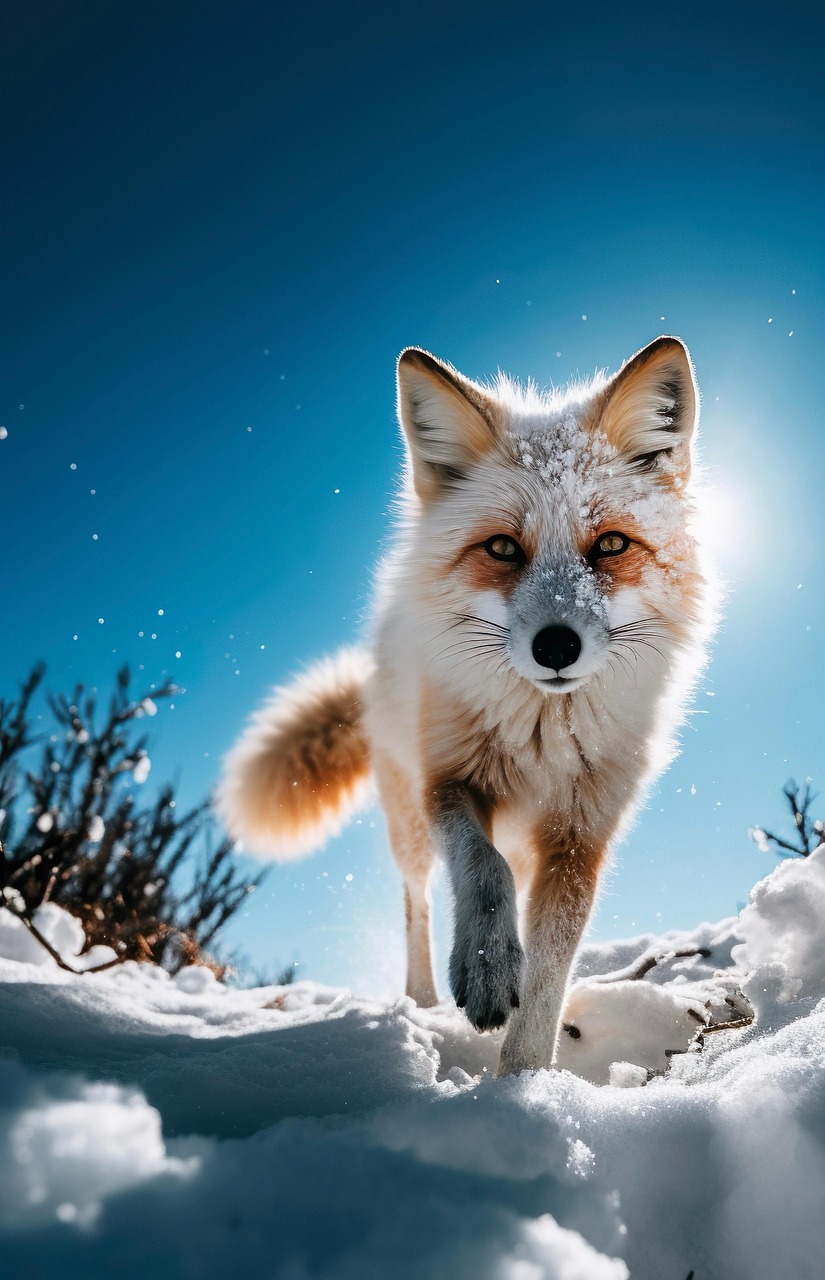
Pixabay License for fox photo (photographer Jeanette Atherton)
The danger of standing water extends to swimming pools. Even a small frog or a tired songbird can get trapped. If you have a pool, you must have a safety mechanism for wildlife and amphibians. Consider installing a Frog Log, Skamper-Ramp, or other boarding steps. These simple safety precautions save lives. (Link to an article about swimming pools and safety for wildlife: https://www.humanegardener.com/wildlife-and-swimming-pools/)

Our responsibility to keep our property safe also extends to removing hazardous debris we leave behind, especially near natural water bodies.


Remembering Shadow: A Cat’s Journey of Love and Healing

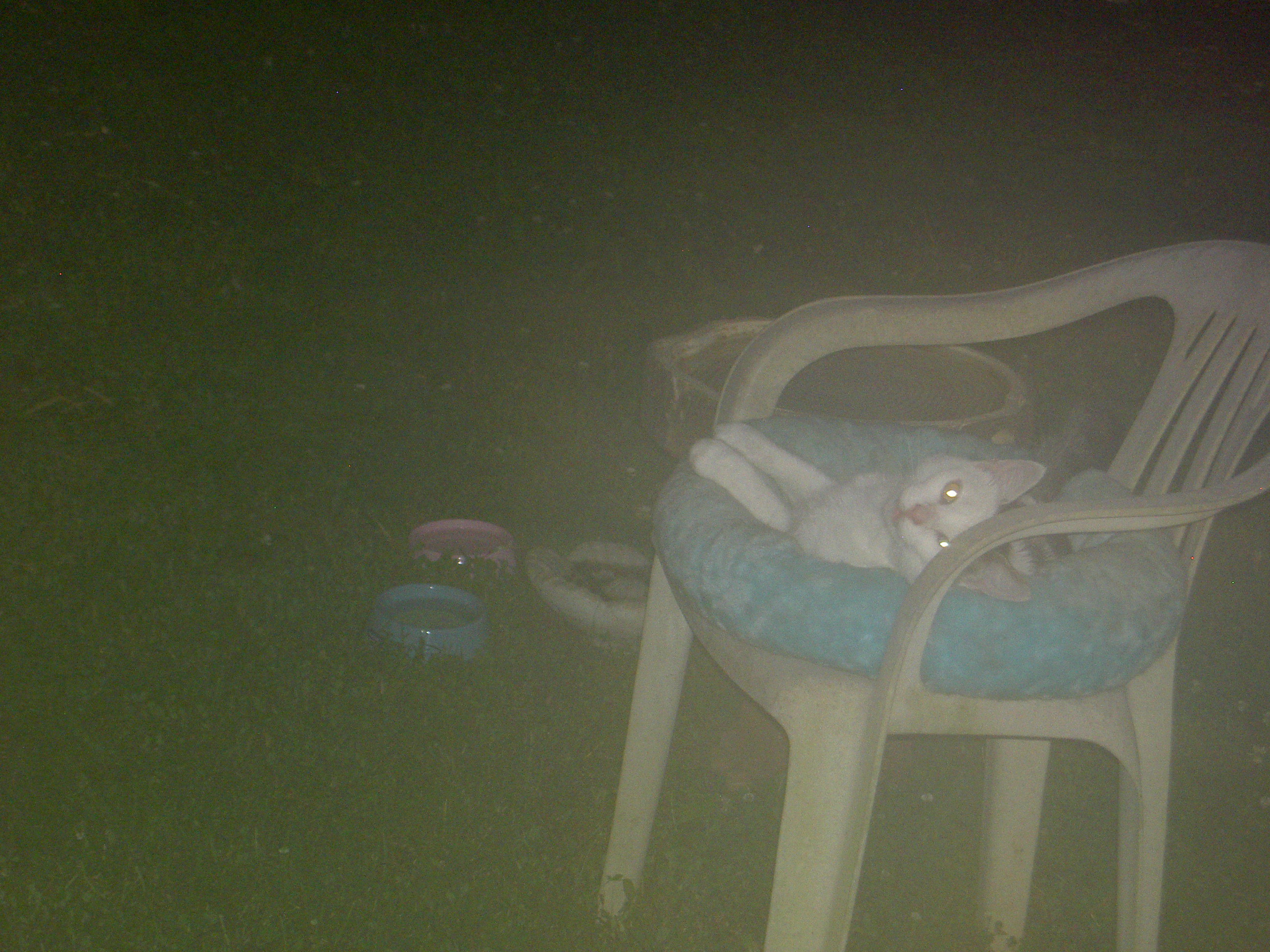
Shadow when he was rescued Azalea Cottage

Photograph of Shadow taken by Cynthia Fain – June 2011

The years of my life have been illuminated by cats that found their way to me through magical and mysterious means. Each cat became the love and joy of my life. It seems they pass through our lives so quickly and leave a legacy of meaningful memories and love.

I began this blog post a few weeks before my beloved cat Shadow was put to sleep. The healing, magic and joy that he brought to my life will be forever with me. On a hot summer night, anguished cries rang out in our front parking lot. Running for the door, I felt my heart pounding, wondering what I would find.

Walking up the driveway, was an exhausted starving cat. His cries echoed with the sorrow of a cat that had wandered a long – dark road; meandering through an eternity where he would never find help. That night has never left my memory or heart. In all my years of rescuing cats I had never seen one that was more emotionally traumatized.

Shadow’s story unfolded in harmony with the celestial events of June 2011, when we were under the total lunar eclipse. Every day was another adventure as Shadow healed and regained strength. The sound of the cat food being opened, ignited Shadow into his mad dash to the big sunny bathroom where I always fed him. Everything he did had an exuberance to it, including his transformation to Jaws, when he playfully bit me through the blankets.

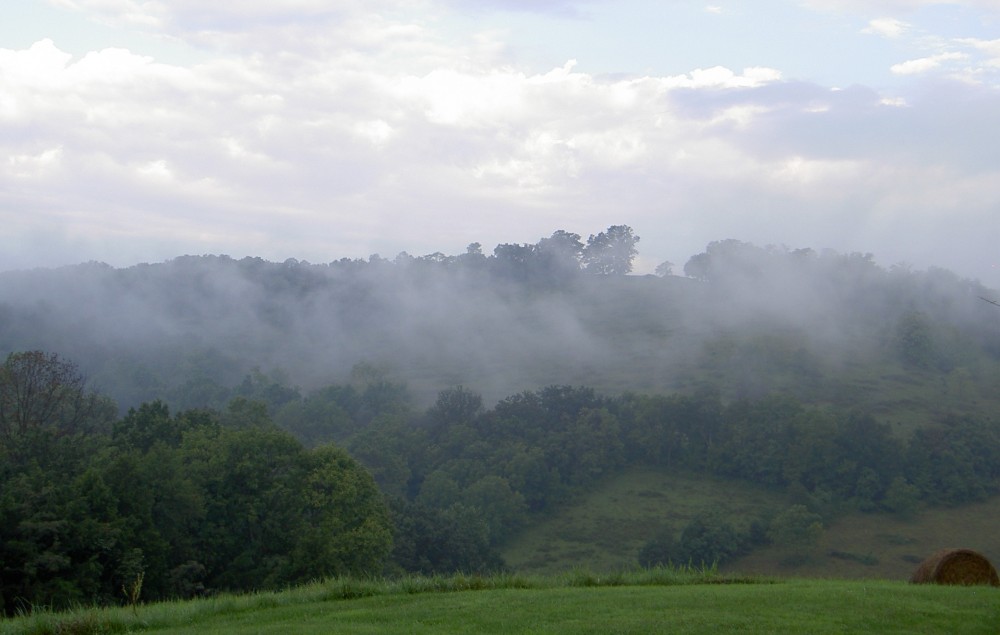
We had many adventures together, including when we lived in a hill top house in the Blue Ridge of Virginia. Brilliant visions of mountain tops, rainbows, misty mornings and running Shadow in the meadow on his harness, bring back touching memories. Another one of Shadow’s favorite explorations was to climb the small tree in front of a farmhouse we were renting in Charlottesville, Virginia. He was always on his harness when he conquered the tree, and when he got to the top he looked so elated at his great accomplishment.

In July 2024 – Shadow’s normally festive behavior, wilted into a depressed – listless corner. After several trips to the veterinarian, in mid-October, an ultra sound showed a tumor covering part of his bladder. I spent weeks sobbing and praying Shadow would be able to find healing and have some quality time left. I was hopeful that Shadow would live a few more months when he was placed on Piroxicam to help shrink the tumor, and anti-biotics for a urinary tract infection.

I also consulted a homeopathic veterinarian about Shadow’s case, and he prescribed a remedy to help with his healing. After adding the homeopathy to his medical plan, Shadow regained some of his appetite. Every day I looked for a sign of hope that he would make it through this difficult journey. Shadow took many ups and downs along the way. There were days when he showed strength and ate better, and then he would slip back into depression and lethargy.

Shadow always perked up for his daily time by the forest edge in our backyard where he would sit under the shade of the trees. The second I put him in his large green play pen his life force awakened as he heard the songs of the birds and felt the mountain air. In the morning he sat on the front porch as the early morning sun rose over the mountains.

The week of November 15th Shadow took a turn for the worse when he seemed withdrawn, unusually thin, and not eating well. I consulted an animal communicator on the evening of November 14th and she told me he was having discomfort urinating. She did not see him being able to make a comeback due to the extent of the tumor.

The morning of November 15th, 2024 was one of the hardest days of my life. Shadow was nauseated and I could tell he was ready to move on. Much needed rains had fallen the day and night before, leaving the earth fertile and green, after a long drought. The morning air beckoned us to explore the yard and give Shadow a final healing adventure.

Crying and holding Shadow I took him outside to feel the healing earth and visit all his favorite places. The spirit of the giant oak tree always brought us healing, and Shadow gently reached up and scratched the base of the tree. Our next stop was the little grove with pine trees and green grass where Shadow and I spent many an afternoon enjoying the summer.

After his time exploring the earth, I gently put Shadow into his pink carrier to go to the veterinarians to see if they agreed with me that it was best to put him to sleep.

When we arrived to the veterinarians office I felt like I was in a very sad dream. Our veterinarian came into the exam room holding back tears. She knew how hard we all fought to bring Shadow quality of life and healing. Choking up she said, “We never like to do this. I myself am dealing with a cat that is severely thin and in renal failure and am deciding what to do with her.”

We put Shadow on the scale and his weight was dangerously low at 4.7 pounds. We sadly agreed that it was best to put Shadow to sleep based on his poor prognosis and quality of life. I sobbed and held Shadow next to me. No more powerful expression has ever been felt then when he put his paws around my neck and clung to me. Finding that most humane time to put your companion animal to sleep is one of the hardest decisions any of us will ever make.

There are no words to describe how I felt seeing Shadow for the last time. I left that day and still feel his presence with me. My cat Serena misses him terribly and she cries for him and looks for him in his carrier. The memories of the night he came crying to me, as well as our fun journeys will be forever with me.

Shadow you were loved more then you will ever know – a soul mate indeed. May we meet again!

Copyright – Cynthia Fain – December 7, 2024

RETURN TO MYSTICAL ANIMALS OF ANCIENT OAK

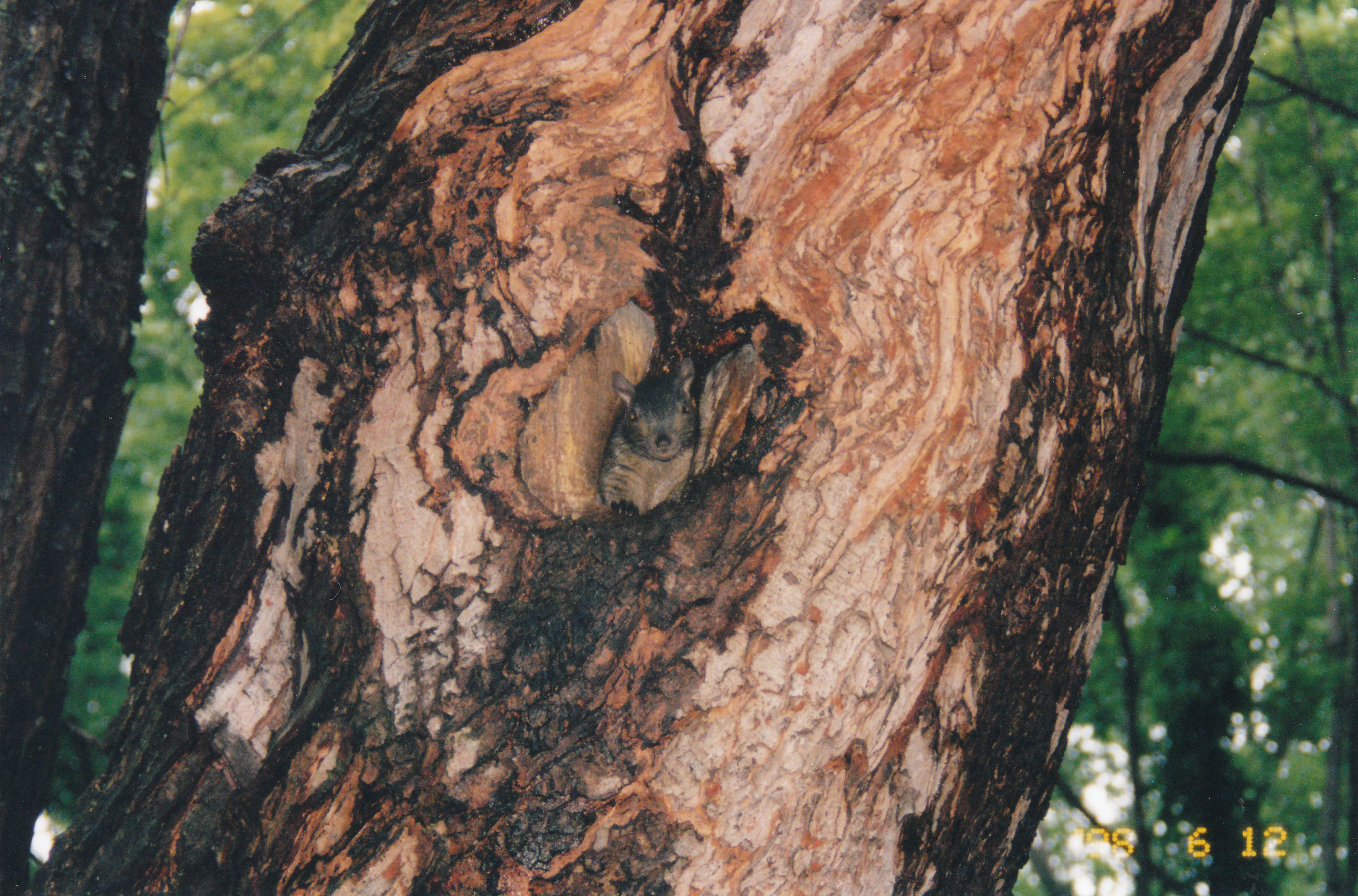
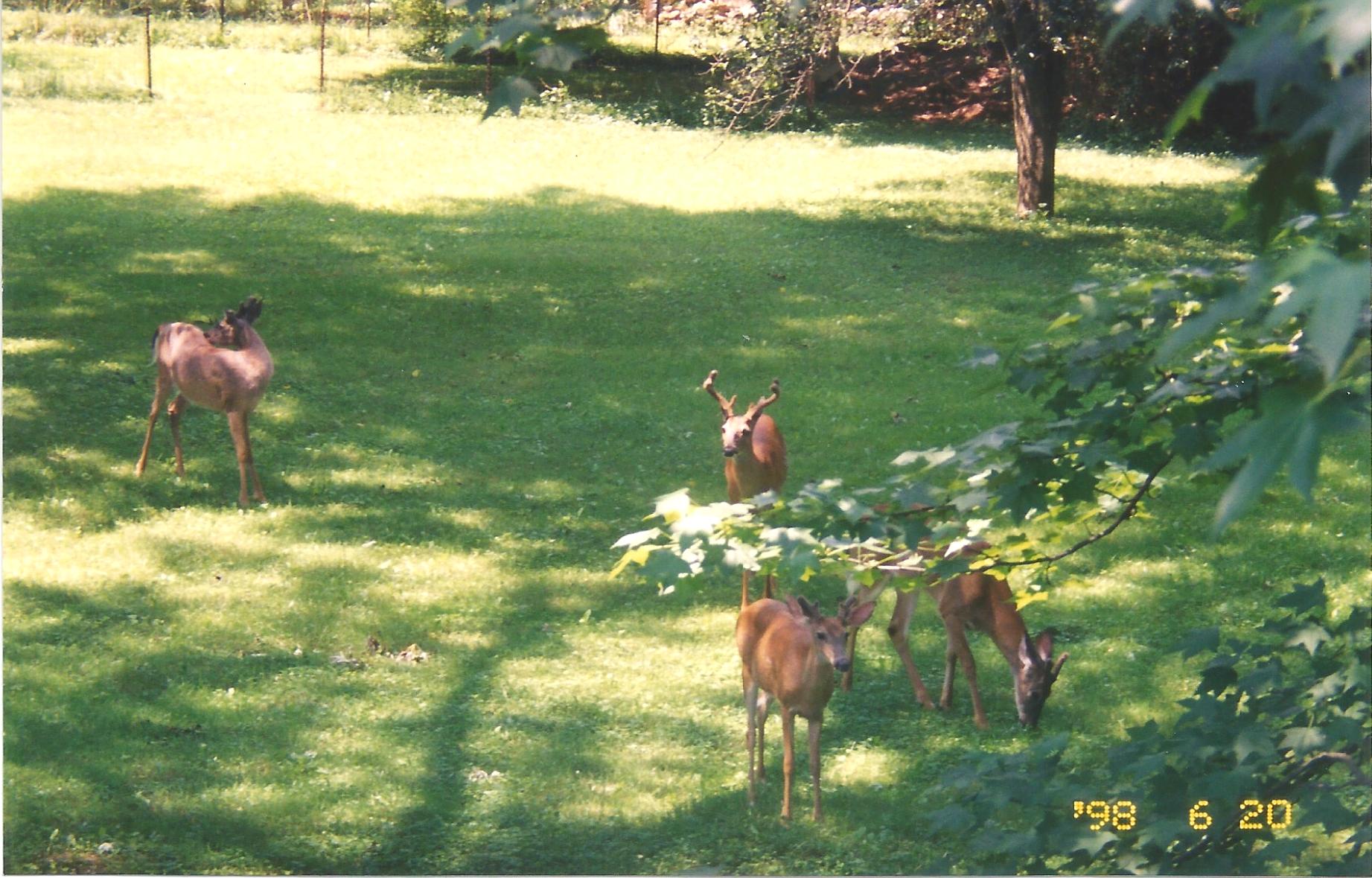
Copyright – Photograph taken by Cynthia Fain June 1998

Tonight I am writing from a very magical place called Raphine, Virginia in Rockbridge County. Imbued with primordial ambiance, this area sits nestled between the Blue Ridge and Allegheny Mountains, where clean air and crystal blue skies abound. Woodlands, meadows and farms surround us and song bird melodies fill the air.

As the sunsets, a pink glow hovers over the mountains, and the creatures of the night emerge from their hidden realms. Darting fireflies create a grand illumination streaking through the woods while opossums forage for food and coyotes journey on their nightly prowl.

Prior to my time in Virginia, I had been a lifelong Montgomery County Maryland resident. A new era began for me in late 2010 when I moved to a cottage in Rappahannock County Virginia. Every morning was filled with magic, as I headed out to the forest and followed the trail to the creek. What an enchanted way to live, among nature and the foothills.

My plan  to have a one year hiatus, turned into a twelve year journey through the Blue Ridge of Virginia. My adventures wove through Rappahannock County, Rockbridge County, Charlottesville, Virginia and finally off to Culpeper, Virginia. Throughout the years in Virginia, I reflected back to one of the most memorable times in my life, in the community of Ancient Oak in Darnestown, MD. The healing spirit that Ancient Oak brought me was not lost throughout the challenges of time.

I will never forget my mother and I taking our first exciting drive to the Ancient Oak neighborhood. It was the summer of 1996 and we had suffered through too many years in a condo with noisy neighbors. As soon as we turned onto Chestnut Oak Drive, charming houses with large meadows and trees, evoked a feeling of an era which has sadly vanished.

Neighborhoods with meadows, forests and ponds have tragically been destroyed by cookie cutter – high density housing. Every time a new neighborhood is built – more wild places that once harbored song birds, deer, creeks and trees – are turned into a sterile universe. Where are the magical places for people to explore? Why does everything have to turn to concrete, technology and huge overpriced houses?

Mystical Animals of Ancient Oak, my first book (currently being edited for re-publishing) captured the stories of the animals and birds that lived in our yard and defined the root of our experience. Every day the squirrels, birds, chipmunks, raccoons, ground hogs and deer created a tapestry of stories that brought meaning, joy and healing to my life. Whether it was Black Matriarch Squirrel boldly chasing the other squirrels away, Old Timer in his great last climb up the oak tree, or Neighborhood Bully the feisty orange tabby cat patrolling our yard, each day was a magical unfolding.

In today’s world of lifeless developments, where are the adventurous green places to explore? People are so fascinated by technology such as apps, iPhones, lap tops and artificial intelligence – we need more emphasis on the importance of nature.

As the suburbs turned into these cloned subdivisions – people became totally disconnected from wildlife. The deer have taken an insane amount of violence and hatred. All these people complaining about wanting all the deer killed – they are sitting on what was once the deer’s home, trails, and food source. I have never understood all this displaced anger on the deer. Every time we drive our cars, we are driving on what was once earth. We cannot imagine how a huge highway might have once been a forest, because all we see is our world of conveniences.

Whenever I see any animal that has been hit and killed on the roads, I always say a prayer. We may never know the amount of suffering caused to the animal kingdom by our driving and hitting all these animals. They too had their daily lives, and missions that tragically were cut short.

My message here is that our daily lives need to be more intertwined with a deep seated awareness of how much we need to give back to the planet and the creatures. Living in the Blue Ridge, nature is always around you; whether it is the mountains, the forests or farms. But upon returning to the suburbs, the air pollution, traffic, and concrete jungle are the challenges we face.

The stories of our time in Ancient Oak are profoundly important reminders of what we stand to lose if we do not take compassionate, focused care of the planet and her creatures. Finding the power and importance of the animals and their stories is a monumental key to preserving and restoring our environment – for humanity and well as the animals.

Always travel through your day with the awareness of the preciousness of all of life. Learn to see the stories in all the animals around you. Nature is asking us to step back into awareness, compassion and reconnection with her cycles. May everyday be a mystical journey with an abundance of nature and adventures.

Copyright – Cynthia Fain – July 23, 2024

ADVOCATING COMPASSION: ENSURING ETHICAL TREATMENT FOR MICE AND RATS

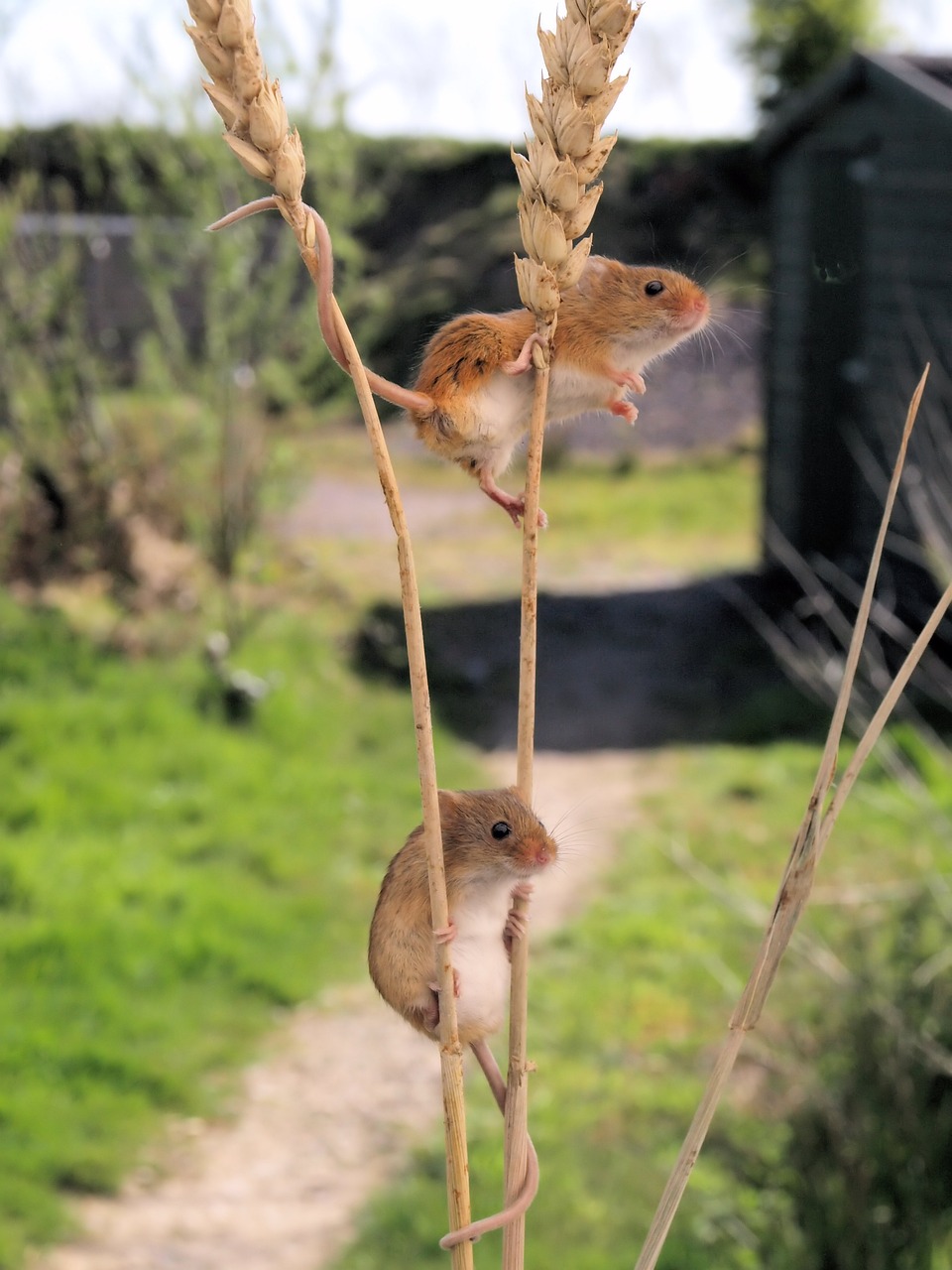
Photo by Greg 70 – Pixabay License

In my formative years, I resided within an apartment complex situated in Silver Spring, Maryland during the transformative decades of the 1960s and 70s. The complex’s waste disposal system was comprised of a noxious incinerator, where we disposed of our refuse. This pollution-emitting apparatus faltered on a scorching Memorial Day weekend, leaving large bags of trash strewn about. Decaying under the blistering sun, the rotting refuse attracted unexpected guests. An invasion of rats, drawn by the prospect of feasting on the garbage, migrated into the apartments. Faced with this rodent influx, the apartment management took swift action, enlisting the services of a pest control company. In an attempt to curb the rat population, the professionals strategically placed poison bait around the premises.

This heralded a huge shift in my perception of rodents, and how we as humans, need to find more humane ways to deal with their incursions into our homes.

The strategically placed poison bait, unfolded into a heart-wrenching tragedy for the rats, as the poisons administered ensured a protracted and agonizing demise. The toxins manifested in the form of slow, torturous deaths, amplifying the sounds of the rats desperately scratching and struggling to be liberated from their dying struggle in the walls. The specific rodenticide employed remains a mystery, but certain variants induce a gradual bleeding to death.

The lingering smell of decomposing rodent bodies and the haunting echoes of their final struggles left an indelible mark on my childhood consciousness. This traumatic experience instilled in me a firm belief that there must exist more compassionate and humane methods for addressing the presence of mice and rats in our living spaces.

Years later, in 1990, I secured a lease for an apartment in Gaithersburg, MD, where the management engaged a pest control company to distribute black boxes laden with rodenticide outside of the apartment buildings. Our complex bordered a serene creek and lush forest, serving as a haven for diverse bird species and wildlife.

Driven by a growing concern, I delved into researching the potential perils posed by these outdoor poison-laden boxes. Beyond the cruel fate awaiting rats and mice, I unearthed an additional threat to non-targeted birds and wildlife. The interconnectedness of the ecosystem became glaringly apparent – if a hawk were to consume a rodent that had succumbed to the poison, the majestic bird too would face a tragic demise. This revelation struck a personal chord as I recalled an incident during my volunteer work at a local wildlife sanctuary in Bowie, MD. A hawk, a victim of poisoning from a mouse it had ingested, sat dying in his cage. This tragic incident reinforced the urgent need for reevaluating our methods of pest control to safeguard both intended and unintended victims of these lethal measures.

Not wasting anytime, I wrote a letter to the President of the property management company outlining all the hazards these poison boxes pose, and explained how it does nothing to stop rodents from proliferating. The most important thing to do was to make sure there are no food sources for the rodents, such as trash not properly contained etc. The urgency of adopting more thoughtful and comprehensive pest control strategies, centered on addressing root causes and safeguarding the broader community, resonated throughout my impassioned plea.

Upon receiving a response from the President of the property management company, I was elated to see he was receptive to my ideas. Expressing gratitude for the information I had supplied, he informed me that they were swiftly discontinuing the use of poison boxes, opting instead for a more proactive approach through preventive measures. This news was an immense relief, dispelling the nightmarish prospect of numerous rodents and potentially even birds of prey succumbing to a tragic fate. The shift towards a more humane and environmentally conscious strategy marked a significant step forward in fostering a harmonious coexistence within our community.

Tragically, many retail and property management companies often rely on these outdoor poison boxes, and this continues to put many animals and birds at risk of a painful death. I encourage anyone that works for establishments that use these rodenticide boxes to speak out about the hazards and ineffectiveness of these poisons. Always rally for the use of humane and ecologically sound alternatives.

Another inhumane disaster used to kill rodents are these glue traps that amount to slow torture. They should have NEVER been approved of or used. How could anyone watch a mouse sit in agony dying slowly in a glue trap? I worked as a caretaker in a house where glue traps were set. Every day I went to work I dreaded seeing the mice alive and writhing in these traps. I tried to talk the people out of using the traps, but they would not take them up. I spent many days using cooking oil and a spatula to remove living mice from the glue traps.

This firsthand experience underscored the urgent need for reevaluating our methods of pest control, steering away from cruel practices that subject living beings to unnecessary suffering.

One of the most humane and effective approaches to deter rats and mice from infiltrating your home involves the use of exclusion tactics, employing materials like steel wool and boards. Some dedicated companies specialize in assessing your residence for potential mouse entry points and executing exclusion work. This safe and proven method offers a compelling alternative to the use of poison and glue traps, promoting a more ethical and sustainable approach to pest control.

In my personal experience, I have also found success with humane catch-and-release traps for mice that manage to find their way into the house. Vigilant monitoring of these traps is crucial, and releasing the captured mice promptly is essential to prevent dehydration or any unnecessary suffering.

Encouragingly, I hope more people will opt for these humane alternatives over the inhumane practices of poison and glue traps when addressing rodent issues. There exists no justification for the prolonged suffering inflicted by such methods. As awareness grows, and individuals embrace preventative measures and humane traps, we move closer to a day when the use of glue traps is banned, and the reliance on poisons is replaced by more compassionate and preventive strategies.

Copyright – Cynthia Fain – March 2024

WHY A GROUND HOG’S LIFE MATTERS

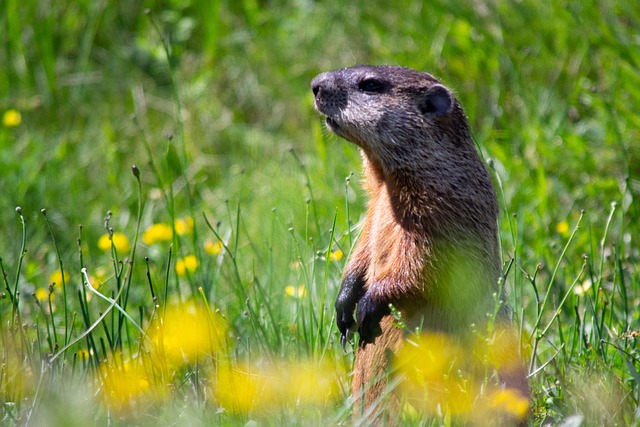
Image by thenorthbaybay from Pixabay – Pixabay License

All living creatures have a right to live, be treated humanely and respected. In my heart, I believe that humanity needs to broaden its concept of other life forms and put more emphasis on building an inclusive world. We were never meant to construct our human world so selfishly, and trample on the lives of other beings.

One of my stories, written in my first book, Mystical Animals of Ancient Oak, is about a family of groundhogs that took over our yard. It was the sping of 1997 when an anxious groundhog mother foraged for things in our meadow and scrambled into her tunnels. We were delighted when several curious baby groundhogs emerged from their protective tunnels and began their mischevious explorations of our yard. The years at Ancient Oak brought me a deeper appreciation of the inspiration that all living creatures bring us.

On a breezy, sunny morning in August of 2022 I was driving out of my cul de sac in Culpeper, Virginia and I turned onto a side street heading towards the railroad tracks. A car drove towards me and thought I saw something blow across the road. After the car passed I was agonized to see that what was struggling in the road was a groundhog that had just been hit by a car. I could see no reason this motorist couldn’t have stopped, being that this side street had sparse traffic and there was no weather or anything obstructing vision.

Desperately stuggling to get out of the road, the dying groundhog gasped for breath. His body was in death throws and I knew that any rescue attempt would probably cause him more pain. On many occassions I have pulled over to rescue turtles, birds and other creatures that were hit ont he road. But the extent of the groundhog’s injuries left him taking his last breath. I felt such despair knowing that the driver could have easily slowed down to avoid this animal.

Sadlly this type of scene plays out whereever there are automobiles and roads. I know that a driver committed to safety for humans as well as animals can make a major impact in lessening these fatalities on the road. The first thing is that people need to stop thinking of animals as expendable road kill. Every animal values their life as much as we do as humans. That one groundhog was on his important mission that day simply trying to navigate his way on a Culpeper, Virginia side street.

Over the last decades as development has increased, with more cars on the road the level of agression in people has skyrocketed. We need to all slow down and make safety and compassion a priority over every man for himself type of driving.

I hope everyone reading this blog post will find it in their heart to remember that our cars and roads are treading on areas that were once forest and animal habitat. This blog post honors the life of a groundhog that was simply trying to navigate his way on a residential street in Culpeper, Virginia and lost his sacred life. Let’s remember as we hurry through our day to slow down and yield to other species as they embark on their day’s journey.

Compassionate Voices For Nature

COPYRIGHT FEBRUARY 2023 – CYNTHIA FAIN

Take Responsibility When Driving

Part Two of Avoiding Hitting Wildife

In my continuing discussion of the importance of compassionate and safe driving ,we are going to look at “taking responsibility” when driving. I continue to be shocked and dismayed at the flagrant abuse of cell phone, texting and general distractions that people have when driving. Just today a good friend of mine posted on her Facebook Page that she had almost been hit yesterday by a man driving a pick up truck and speeding through a red light. She was almost broadsided by him and was saved by seeing him at the last minute.

Focusing and avoiding distractions is the best way to keep your eyes on the road and avoid hitting wildlife. On a drive up Route 29 in Madison County Virginia yesterday, I was horrified to see many deer hit on the side of the road. Who knows how long they laid there dying on the hot summer pavement. One deer had a piece of metal, maybe a car side view mirror jarred right into his skull.

The spiritual message that I get is that we need to have accountability when we hit animals or people. This idea that we can hit and run other sentient beings is sick and making for no ethics in driving. Where did we ever get this idea that if we hit an animal, we can just keep going and be so apathetic?

I think the issue of animal deaths on the roads is one of the most under estimated issues in our personal ethics of driving. Just slowing down and taking the time to focus and intend to avoid hitting animals is a highly effective way of reducing animal and of course human fatalities on the road.


My New Book – Mystical Animals of Ancient Oak is Now Available On Amazon.com

My new book Mystical animals of Ancient Oak is now available on Kindle and Paperback on Amazon.com.

https://www.amazon.com/Mystical-Animals-Ancient-Cynthia-Fain-ebook/dp/B018BJKK7O/ref=tmm_kin_swatch_0?_encoding=UTF8&qid=1468726726&sr=8-1#navbarDeer in back meadow at Ancient Oak