A Call to Action: How We Can Share Our Planet Safely with Every Creature

Pixabay License for fox photo (photographer Jeanette Atherton)

The danger of standing water extends to swimming pools. Even a small frog or a tired songbird can get trapped. If you have a pool, you must have a safety mechanism for wildlife and amphibians. Consider installing a Frog Log, Skamper-Ramp, or other boarding steps. These simple safety precautions save lives. (Link to an article about swimming pools and safety for wildlife: https://www.humanegardener.com/wildlife-and-swimming-pools/)

Our responsibility to keep our property safe also extends to removing hazardous debris we leave behind, especially near natural water bodies.


Remembering Shadow: A Cat’s Journey of Love and Healing

Shadow when he was rescued Azalea Cottage

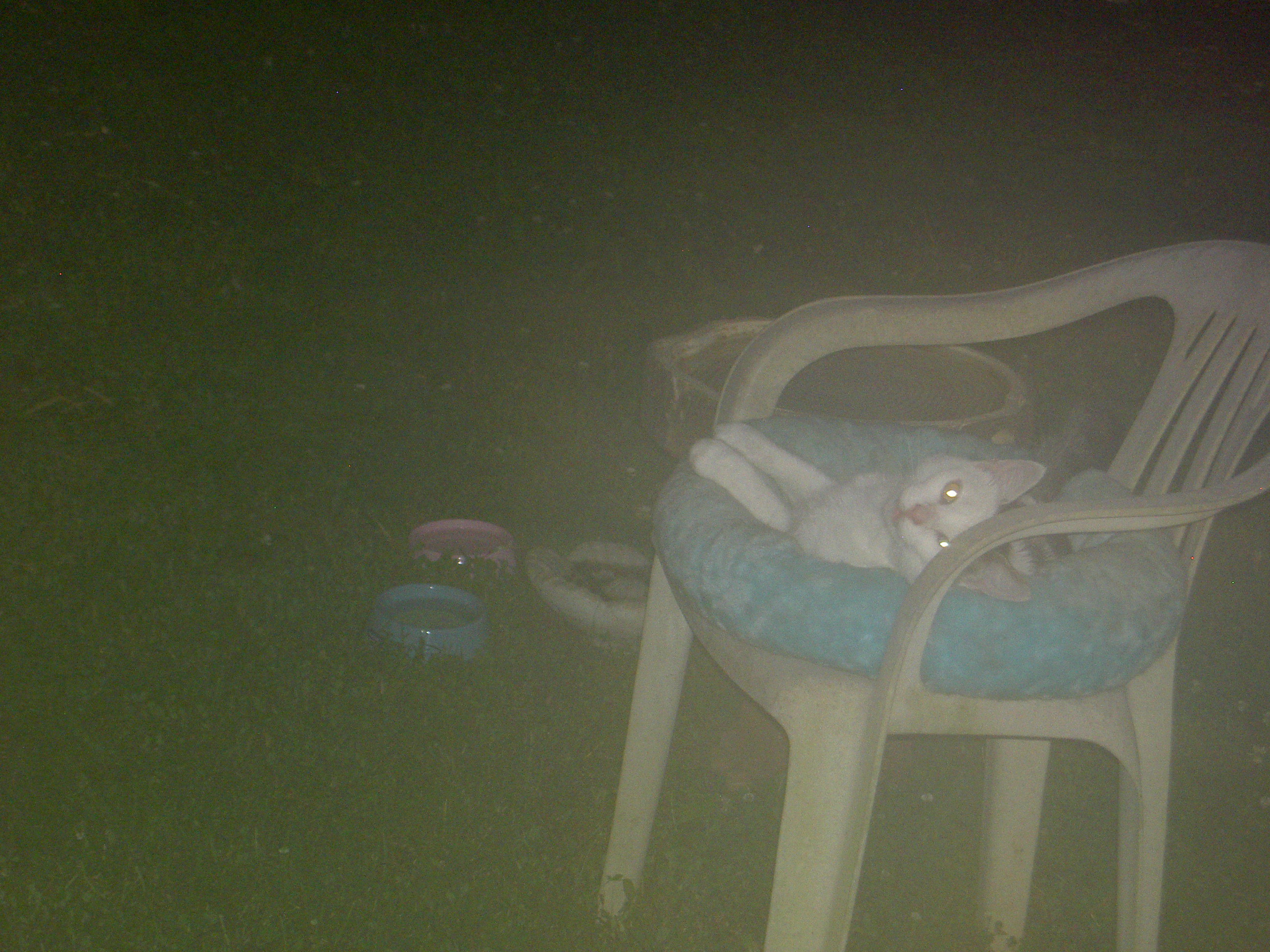
Photograph of Shadow taken by Cynthia Fain – June 2011

The years of my life have been illuminated by cats that found their way to me through magical and mysterious means. Each cat became the love and joy of my life. It seems they pass through our lives so quickly and leave a legacy of meaningful memories and love.

I began this blog post a few weeks before my beloved cat Shadow was put to sleep. The healing, magic and joy that he brought to my life will be forever with me. On a hot summer night, anguished cries rang out in our front parking lot. Running for the door, I felt my heart pounding, wondering what I would find.

Walking up the driveway, was an exhausted starving cat. His cries echoed with the sorrow of a cat that had wandered a long – dark road; meandering through an eternity where he would never find help. That night has never left my memory or heart. In all my years of rescuing cats I had never seen one that was more emotionally traumatized.

Shadow’s story unfolded in harmony with the celestial events of June 2011, when we were under the total lunar eclipse. Every day was another adventure as Shadow healed and regained strength. The sound of the cat food being opened, ignited Shadow into his mad dash to the big sunny bathroom where I always fed him. Everything he did had an exuberance to it, including his transformation to Jaws, when he playfully bit me through the blankets.

We had many adventures together, including when we lived in a hill top house in the Blue Ridge of Virginia. Brilliant visions of mountain tops, rainbows, misty mornings and running Shadow in the meadow on his harness, bring back touching memories. Another one of Shadow’s favorite explorations was to climb the small tree in front of a farmhouse we were renting in Charlottesville, Virginia. He was always on his harness when he conquered the tree, and when he got to the top he looked so elated at his great accomplishment.

In July 2024 – Shadow’s normally festive behavior, wilted into a depressed – listless corner. After several trips to the veterinarian, in mid-October, an ultra sound showed a tumor covering part of his bladder. I spent weeks sobbing and praying Shadow would be able to find healing and have some quality time left. I was hopeful that Shadow would live a few more months when he was placed on Piroxicam to help shrink the tumor, and anti-biotics for a urinary tract infection.

I also consulted a homeopathic veterinarian about Shadow’s case, and he prescribed a remedy to help with his healing. After adding the homeopathy to his medical plan, Shadow regained some of his appetite. Every day I looked for a sign of hope that he would make it through this difficult journey. Shadow took many ups and downs along the way. There were days when he showed strength and ate better, and then he would slip back into depression and lethargy.

Shadow always perked up for his daily time by the forest edge in our backyard where he would sit under the shade of the trees. The second I put him in his large green play pen his life force awakened as he heard the songs of the birds and felt the mountain air. In the morning he sat on the front porch as the early morning sun rose over the mountains.

The week of November 15th Shadow took a turn for the worse when he seemed withdrawn, unusually thin, and not eating well. I consulted an animal communicator on the evening of November 14th and she told me he was having discomfort urinating. She did not see him being able to make a comeback due to the extent of the tumor.

The morning of November 15th, 2024 was one of the hardest days of my life. Shadow was nauseated and I could tell he was ready to move on. Much needed rains had fallen the day and night before, leaving the earth fertile and green, after a long drought. The morning air beckoned us to explore the yard and give Shadow a final healing adventure.

Crying and holding Shadow I took him outside to feel the healing earth and visit all his favorite places. The spirit of the giant oak tree always brought us healing, and Shadow gently reached up and scratched the base of the tree. Our next stop was the little grove with pine trees and green grass where Shadow and I spent many an afternoon enjoying the summer.

After his time exploring the earth, I gently put Shadow into his pink carrier to go to the veterinarians to see if they agreed with me that it was best to put him to sleep.

When we arrived to the veterinarians office I felt like I was in a very sad dream. Our veterinarian came into the exam room holding back tears. She knew how hard we all fought to bring Shadow quality of life and healing. Choking up she said, “We never like to do this. I myself am dealing with a cat that is severely thin and in renal failure and am deciding what to do with her.”

We put Shadow on the scale and his weight was dangerously low at 4.7 pounds. We sadly agreed that it was best to put Shadow to sleep based on his poor prognosis and quality of life. I sobbed and held Shadow next to me. No more powerful expression has ever been felt then when he put his paws around my neck and clung to me. Finding that most humane time to put your companion animal to sleep is one of the hardest decisions any of us will ever make.

There are no words to describe how I felt seeing Shadow for the last time. I left that day and still feel his presence with me. My cat Serena misses him terribly and she cries for him and looks for him in his carrier. The memories of the night he came crying to me, as well as our fun journeys will be forever with me.

Shadow you were loved more then you will ever know – a soul mate indeed. May we meet again!

Copyright – Cynthia Fain – December 7, 2024

CATS AT THE POLK COUNTY, FLORIDA ANIMAL SHELTER NEED YOUR HELP

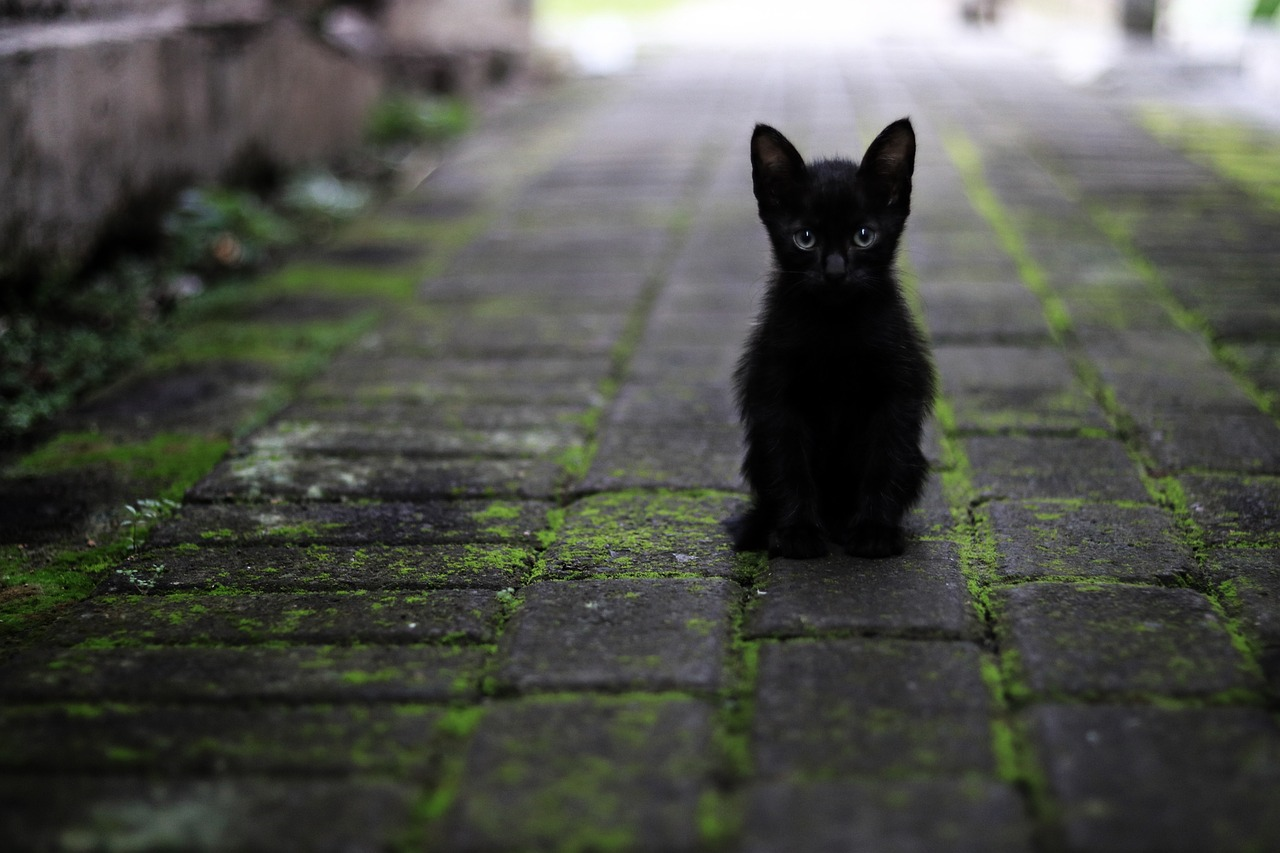
Photograph is not from Polk County Animal Shelter- (Pixabay License – Guvo59 Photographer)

I was recently contacted over LinkedIn by fellow animal activist, Jessica Ragazzo, about very disturbing conditions at the Polk County, Florida Animal Shelter. The shelter, which is in Winter Haven, Florida, has recently been the subject of much media and public scrutiny.

Animal advocate, Natalie Scott, toured the facility and shared very serious concerns about the health and welfare of the cats she photographed. After watching the media reports about this – I believe this shelter should have been investigated for animal welfare violations, including the lack of air conditioning and lack of water! In the video she talks of the tragedy of seeing kittens covered in feces and filth. This is absolutely unacceptable and should be immediately be addressed.

I encourage readers of my blog to click on the following video which documents the cats and kittens that are lethargic and panting heavily as they lay in cages in the Florida heat. Here is a link to one of the media reports: https://www.youtube.com/watch?v=BecVWJkkpSI

If this is considered acceptable treatment of cats and kittens in an animal shelter- then torture through over heating and dehydration is considered animal welfare. No animal, in any shelter, should be subjected to severe heat and dehydration.

Anyone with any concern about animal welfare can clearly see the suffering of these cats and kittens in the video she took. It is impossible to believe that any official involved in the oversight of this shelter could defend this type of neglect and cruelty. After viewing the video in the link above, this is not some bureaucratic issue that should be dragging on for years. This over crowding, lack of air conditioning and water should not be acceptable in any animal shelter. The Polk County Animal Shelter also has a very high euthanasia rate which is also extremely concerning.

The Best Friends Animal Society has offered assistance to the Polk County Animal Shelter. Here is a link to how they have helped implement foster programs at the Polk County Shelter – https://bestfriends.org/stories/best-friends-magazine/best-friends-satellite-foster-programs-take. In a recent communication to Jessica Ragazzo, The Best Friends Animal Society, stated that the Polk County Animal Shelter would have to create changes that ensure a 90% save rate as well as implementing a comprehensive community cat program . Once those changes are made, The Best Friends Animal Society can resume working with the Polk County Animal Shelter.

I believe all animal shelters should have proper oversight by governing authorities. In times when those authorities do not take proper protective – legal measures, it takes major efforts by animal advocates and animal welfare organizations to get productive change! Please contact Jessica Ragazzo at jessicaragazzo@gmail.com if you would like more information about the important campaign to see major humanitarian changes instituted at this shelter. There is also a Facebook Group – Charlies Angels and The Last Chance Advocacy Group, which is set up to help the animals at the Polk County Animal Shelter.

Please feel free to contact me if you get involved in this important issue and want to share any updates. Thanks for your concern and let’s keep the pressure on those whose responsibility it is to protect these animals!

RETURN TO MYSTICAL ANIMALS OF ANCIENT OAK

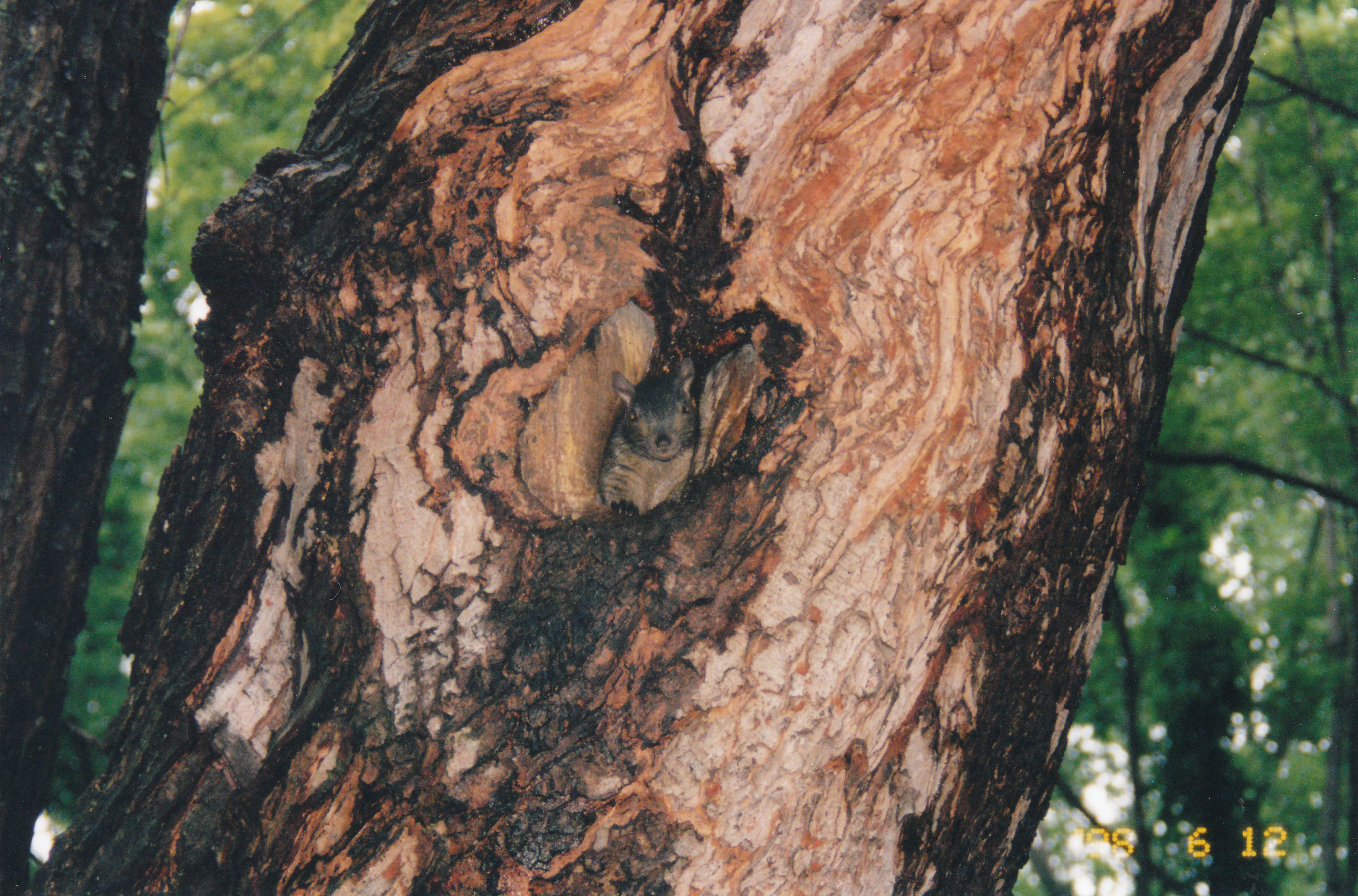
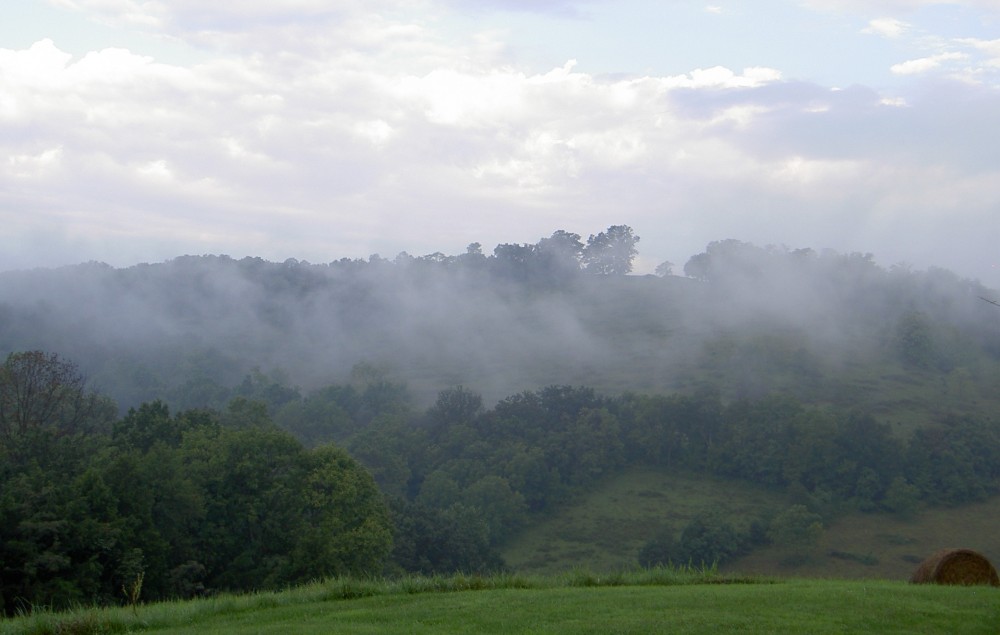
Copyright – Photograph taken by Cynthia Fain June 1998

Tonight I am writing from a very magical place called Raphine, Virginia in Rockbridge County. Imbued with primordial ambiance, this area sits nestled between the Blue Ridge and Allegheny Mountains, where clean air and crystal blue skies abound. Woodlands, meadows and farms surround us and song bird melodies fill the air.

As the sunsets, a pink glow hovers over the mountains, and the creatures of the night emerge from their hidden realms. Darting fireflies create a grand illumination streaking through the woods while opossums forage for food and coyotes journey on their nightly prowl.

Prior to my time in Virginia, I had been a lifelong Montgomery County Maryland resident. A new era began for me in late 2010 when I moved to a cottage in Rappahannock County Virginia. Every morning was filled with magic, as I headed out to the forest and followed the trail to the creek. What an enchanted way to live, among nature and the foothills.

My plan  to have a one year hiatus, turned into a twelve year journey through the Blue Ridge of Virginia. My adventures wove through Rappahannock County, Rockbridge County, Charlottesville, Virginia and finally off to Culpeper, Virginia. Throughout the years in Virginia, I reflected back to one of the most memorable times in my life, in the community of Ancient Oak in Darnestown, MD. The healing spirit that Ancient Oak brought me was not lost throughout the challenges of time.

I will never forget my mother and I taking our first exciting drive to the Ancient Oak neighborhood. It was the summer of 1996 and we had suffered through too many years in a condo with noisy neighbors. As soon as we turned onto Chestnut Oak Drive, charming houses with large meadows and trees, evoked a feeling of an era which has sadly vanished.

Neighborhoods with meadows, forests and ponds have tragically been destroyed by cookie cutter – high density housing. Every time a new neighborhood is built – more wild places that once harbored song birds, deer, creeks and trees – are turned into a sterile universe. Where are the magical places for people to explore? Why does everything have to turn to concrete, technology and huge overpriced houses?

Mystical Animals of Ancient Oak, my first book (currently being edited for re-publishing) captured the stories of the animals and birds that lived in our yard and defined the root of our experience. Every day the squirrels, birds, chipmunks, raccoons, ground hogs and deer created a tapestry of stories that brought meaning, joy and healing to my life. Whether it was Black Matriarch Squirrel boldly chasing the other squirrels away, Old Timer in his great last climb up the oak tree, or Neighborhood Bully the feisty orange tabby cat patrolling our yard, each day was a magical unfolding.

In today’s world of lifeless developments, where are the adventurous green places to explore? People are so fascinated by technology such as apps, iPhones, lap tops and artificial intelligence – we need more emphasis on the importance of nature.

As the suburbs turned into these cloned subdivisions – people became totally disconnected from wildlife. The deer have taken an insane amount of violence and hatred. All these people complaining about wanting all the deer killed – they are sitting on what was once the deer’s home, trails, and food source. I have never understood all this displaced anger on the deer. Every time we drive our cars, we are driving on what was once earth. We cannot imagine how a huge highway might have once been a forest, because all we see is our world of conveniences.

Whenever I see any animal that has been hit and killed on the roads, I always say a prayer. We may never know the amount of suffering caused to the animal kingdom by our driving and hitting all these animals. They too had their daily lives, and missions that tragically were cut short.

My message here is that our daily lives need to be more intertwined with a deep seated awareness of how much we need to give back to the planet and the creatures. Living in the Blue Ridge, nature is always around you; whether it is the mountains, the forests or farms. But upon returning to the suburbs, the air pollution, traffic, and concrete jungle are the challenges we face.

The stories of our time in Ancient Oak are profoundly important reminders of what we stand to lose if we do not take compassionate, focused care of the planet and her creatures. Finding the power and importance of the animals and their stories is a monumental key to preserving and restoring our environment – for humanity and well as the animals.

Always travel through your day with the awareness of the preciousness of all of life. Learn to see the stories in all the animals around you. Nature is asking us to step back into awareness, compassion and reconnection with her cycles. May everyday be a mystical journey with an abundance of nature and adventures.

Copyright – Cynthia Fain – July 23, 2024

WHY IS HELPING SENIORS LESS IMPORTANT THAN PROFITS FOR CORPORATIONS?

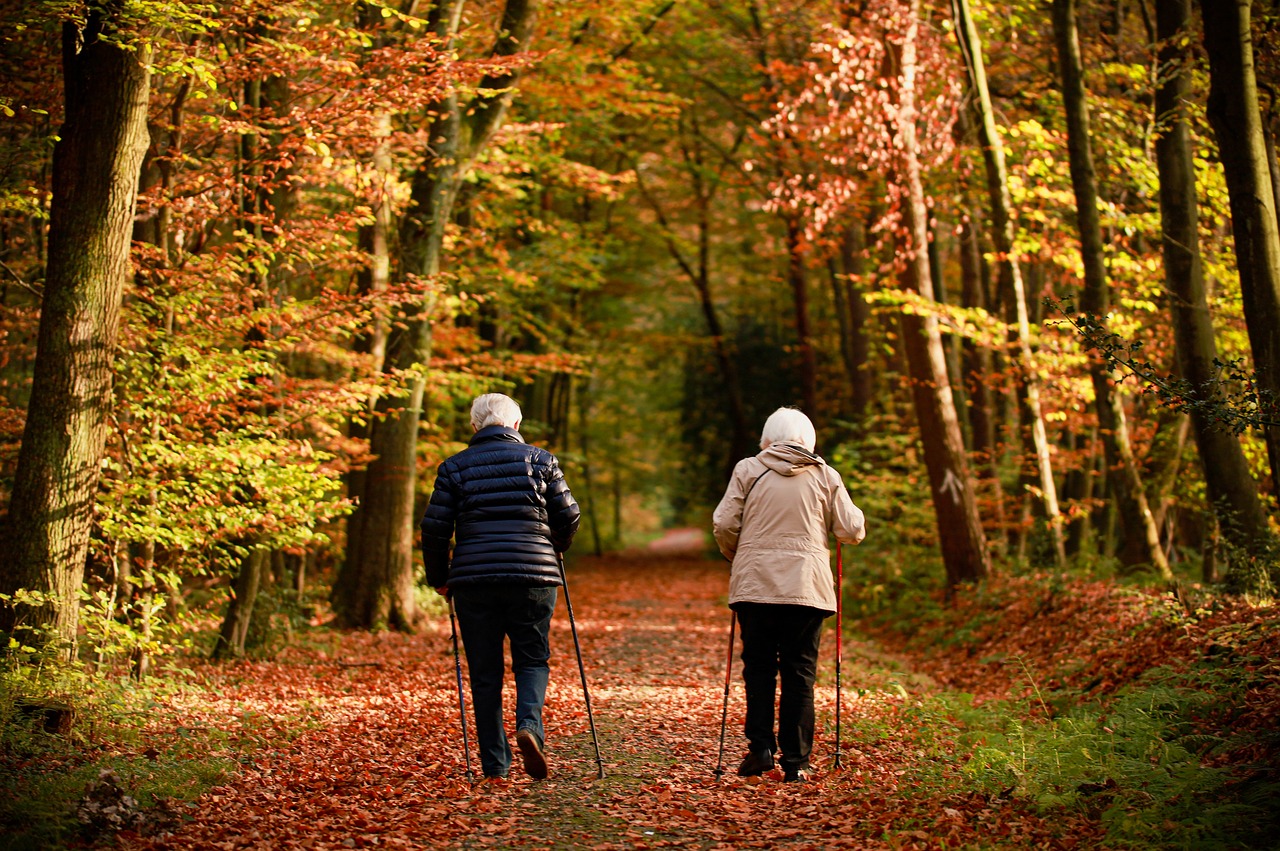
Pixabay License – Monsterkoi

In a previous post, I discussed the critical issues facing home health care aides, highlighting their inadequate pay and the lack of appreciation for their vital roles. During my five years in this profession, my passion for the job was overshadowed by the struggle to survive on such low earnings. It baffles me that roles dedicated to assisting the most vulnerable are not rewarded with better compensation. Our nation seems fixated on corporate profits, often at the expense of pressing humanitarian needs.

Now, I turn to another urgent issue: the financial challenges that seniors face with the healthcare system. Why must seniors, after decades of contributing to Medicare, still shoulder the burden of additional costs through Medi-Gap, drug plans, or Medicare Advantage Plans? These expenses can escalate to unmanageable levels, a problem that should have been addressed by Congress long ago.

Recently, news outlets have been covering the dissatisfaction of companies like Humana with their declining profits in the Medicare Advantage sector. Yet, the focus remains troublingly skewed towards profits rather than addressing the numerous issues consumers face with these plans, such as high co-pays, denied procedures, and frustrating delays.

Personally, I was inclined to opt for a Medi-Gap plan, aware of the potential pitfalls of Medicare Advantage plans. However, due to cost concerns, I enrolled in an AARP – United Health Care Medicare Advantage Plan, which has no premium.

My plan is set to activate on June 1st, and although I’ve received my approval letter and I.D. number, trying to confirm the details of the plan’s provider network turned into a frustrating hour-long ordeal with overseas customer service representatives. After numerous transfers, I ended up speaking with a salesperson that was unable to assist and directed me back to the department I’d originally called. The lack of straightforward assistance was disheartening, especially considering the potential future needs for serious medical pre-authorizations.

I wonder, as I grow older, what challenges I might face affording my own healthcare. No senior should have to forgo necessary health benefits due to financial constraints. We must strive for a healthcare system that prioritizes fairness and patient care over corporate profits. The frequent issues of denials, delays, and payment problems within these plans signal a desperate need for an overhaul and tighter regulation of Medicare Advantage plans.

Moreover, a doctor’s office I regularly visited in Montgomery County, MD, recently informed me they no longer accept United Health Care Insurance, including their Medicare Advantage plans. The reasons were not disclosed, but this development is troubling for all patients under such plans, indicating a growing issue with provider networks.

It’s clear that resolving issues within a multifaceted and costly system is no simple task. However, it’s crucial that bureaucratic hurdles and the high costs of medications and healthcare services do not prevent vulnerable groups from accessing necessary medical care. I envision a future where our nation embraces a healthcare model that prioritizes compassionate and effective treatment over corporate profits.

Embracing Compassion: My Evolution as a Home Health Aide

Top of Form

Pixabay License – Image By Randgruppe

Life often leads us down unexpected paths that can blossom into remarkable experiences. In the spring of 2018, a shift in my career trajectory as an events planner, led me to seek additional employment. With an open mind, I ventured into a local home health aide company and embarked on a new journey as a Personal Care Assistant after completing rigorous training and certification.

Filled with anticipation and a hint of nervousness, I set out on an April morning to meet my first client. Welcomed by a tall, smiling woman at her door, I sensed an immediate connection. As we conversed, it became evident that we were destined to make a formidable team. Guiding her as she led the way to her breakfast table, I prepared her meal and joined her for a shared moment.

Following breakfast, I tended to household chores, ensuring her surroundings were tidy as she indulged in her morning shower. After assisting her with dressing, we embarked on our daily routine, visiting her chiropractor, and tackling errands at the grocery store. One of her favorite activities was going to the gym and riding the exercise bike. We often laughed when she was tempted by the deli sandwiches at the gym’s cafe, and the call to eat a roast beef sandwich over shadowed her inspiration for a work out.

One of the most rewarding aspects of this role was the profound sense of fulfillment derived from knowing I was making a meaningful difference in someone’s life. Each morning, as I approached her door, I was met with eager anticipation, knowing that my presence was genuinely appreciated.

My subsequent assignment led me to a picturesque town nestled in the heart of Rappahannock County, Virginia. Following a long, winding driveway that ascended gracefully up the hillside, I arrived at a charming small house. Upon reaching the summit, I was greeted by a breathtaking panoramic vista of lush meadows and magical forests stretching as far as the eye could see. Waiting at the door in her wheelchair was a delicate-looking woman, her warm welcome contrasting with the casual flick of her cigarette butt onto the wooden deck before inviting me inside.

Days spent with her were enriched by the captivating tales of her upbringing in Rappahannock County, Virginia. Her family’s homestead sprawled across acres of farmland, nestled near the banks of the Hazel River, painting a vivid picture of rural life steeped in tradition and heritage.

After indulging in mornings filled with old westerns on TV, my client often sought my assistance in transcribing her poetry. Following these moments of creativity, my duties as a home health aide would resume, encompassing everything from helping with her bath to managing cleaning, laundry, and errands.

However, as the specter of COVID-19 loomed large on the horizon in late winter and early spring of 2020, the landscape of my work dramatically shifted. With the pandemic evolving from an unknown threat to a mass casualty concern, one of my client’s families made the difficult decision to suspend in-home aide services for safety reasons.

Amidst this upheaval, I found myself attending to the needs of three clients during the pandemic’s peak, donning protective gear—face mask, gloves—and armed with a thermometer as I navigated each day’s responsibilities.

As the crisis unfolded, the glaring issue of the shortage of home health aides became a focal point in the media. The abysmally low pay in the industry often compelled individuals to work double shifts or take on additional jobs to make ends meet.

Yet, amidst these challenges, it became increasingly evident that the broader societal conversation surrounding the elderly and disabled needed urgent attention. Ensuring the availability of adequately trained and fairly compensated home health aides emerged as a matter of utmost importance. For those reliant on aides for essential daily tasks, from personal hygiene to medical appointments and grocery shopping, their indispensable support is profoundly important.

To ensure an ample supply of well-trained home health aides, it is imperative to significantly increase the pay for these critical roles. Currently, wages often hover below $15.00 per hour, rendering it impossible for individuals to cover basic expenses such as rent. Moreover, many of these positions lack any form of benefits.

It is essential for our society to place a higher premium on the proper care of the elderly and disabled by enhancing the compensation for those who serve in these capacities. The work performed by home health aides is invaluable, and it defies logic that those responsible for safeguarding vulnerable populations are compensated at levels that condemn them to financial hardship.

If you have personal experience as a home health aide or have a loved one who relies on their assistance, I am eager to hear from you. What suggestions do you have for improving the quality of life for both aides and those who depend on them?

Copyright – Cynthia Fain – March 2024

ADVOCATING COMPASSION: ENSURING ETHICAL TREATMENT FOR MICE AND RATS

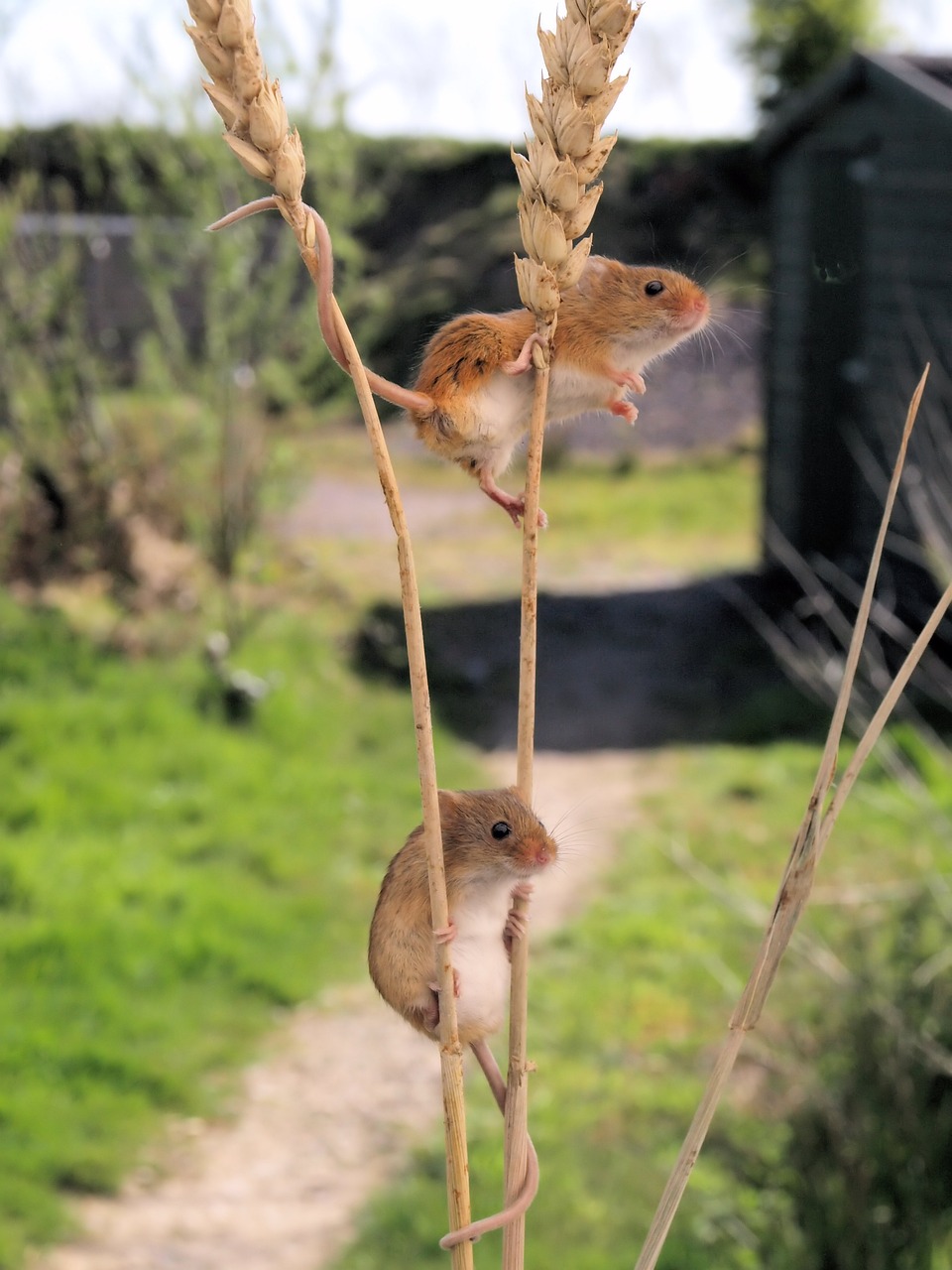
Photo by Greg 70 – Pixabay License

In my formative years, I resided within an apartment complex situated in Silver Spring, Maryland during the transformative decades of the 1960s and 70s. The complex’s waste disposal system was comprised of a noxious incinerator, where we disposed of our refuse. This pollution-emitting apparatus faltered on a scorching Memorial Day weekend, leaving large bags of trash strewn about. Decaying under the blistering sun, the rotting refuse attracted unexpected guests. An invasion of rats, drawn by the prospect of feasting on the garbage, migrated into the apartments. Faced with this rodent influx, the apartment management took swift action, enlisting the services of a pest control company. In an attempt to curb the rat population, the professionals strategically placed poison bait around the premises.

This heralded a huge shift in my perception of rodents, and how we as humans, need to find more humane ways to deal with their incursions into our homes.

The strategically placed poison bait, unfolded into a heart-wrenching tragedy for the rats, as the poisons administered ensured a protracted and agonizing demise. The toxins manifested in the form of slow, torturous deaths, amplifying the sounds of the rats desperately scratching and struggling to be liberated from their dying struggle in the walls. The specific rodenticide employed remains a mystery, but certain variants induce a gradual bleeding to death.

The lingering smell of decomposing rodent bodies and the haunting echoes of their final struggles left an indelible mark on my childhood consciousness. This traumatic experience instilled in me a firm belief that there must exist more compassionate and humane methods for addressing the presence of mice and rats in our living spaces.

Years later, in 1990, I secured a lease for an apartment in Gaithersburg, MD, where the management engaged a pest control company to distribute black boxes laden with rodenticide outside of the apartment buildings. Our complex bordered a serene creek and lush forest, serving as a haven for diverse bird species and wildlife.

Driven by a growing concern, I delved into researching the potential perils posed by these outdoor poison-laden boxes. Beyond the cruel fate awaiting rats and mice, I unearthed an additional threat to non-targeted birds and wildlife. The interconnectedness of the ecosystem became glaringly apparent – if a hawk were to consume a rodent that had succumbed to the poison, the majestic bird too would face a tragic demise. This revelation struck a personal chord as I recalled an incident during my volunteer work at a local wildlife sanctuary in Bowie, MD. A hawk, a victim of poisoning from a mouse it had ingested, sat dying in his cage. This tragic incident reinforced the urgent need for reevaluating our methods of pest control to safeguard both intended and unintended victims of these lethal measures.

Not wasting anytime, I wrote a letter to the President of the property management company outlining all the hazards these poison boxes pose, and explained how it does nothing to stop rodents from proliferating. The most important thing to do was to make sure there are no food sources for the rodents, such as trash not properly contained etc. The urgency of adopting more thoughtful and comprehensive pest control strategies, centered on addressing root causes and safeguarding the broader community, resonated throughout my impassioned plea.

Upon receiving a response from the President of the property management company, I was elated to see he was receptive to my ideas. Expressing gratitude for the information I had supplied, he informed me that they were swiftly discontinuing the use of poison boxes, opting instead for a more proactive approach through preventive measures. This news was an immense relief, dispelling the nightmarish prospect of numerous rodents and potentially even birds of prey succumbing to a tragic fate. The shift towards a more humane and environmentally conscious strategy marked a significant step forward in fostering a harmonious coexistence within our community.

Tragically, many retail and property management companies often rely on these outdoor poison boxes, and this continues to put many animals and birds at risk of a painful death. I encourage anyone that works for establishments that use these rodenticide boxes to speak out about the hazards and ineffectiveness of these poisons. Always rally for the use of humane and ecologically sound alternatives.

Another inhumane disaster used to kill rodents are these glue traps that amount to slow torture. They should have NEVER been approved of or used. How could anyone watch a mouse sit in agony dying slowly in a glue trap? I worked as a caretaker in a house where glue traps were set. Every day I went to work I dreaded seeing the mice alive and writhing in these traps. I tried to talk the people out of using the traps, but they would not take them up. I spent many days using cooking oil and a spatula to remove living mice from the glue traps.

This firsthand experience underscored the urgent need for reevaluating our methods of pest control, steering away from cruel practices that subject living beings to unnecessary suffering.

One of the most humane and effective approaches to deter rats and mice from infiltrating your home involves the use of exclusion tactics, employing materials like steel wool and boards. Some dedicated companies specialize in assessing your residence for potential mouse entry points and executing exclusion work. This safe and proven method offers a compelling alternative to the use of poison and glue traps, promoting a more ethical and sustainable approach to pest control.

In my personal experience, I have also found success with humane catch-and-release traps for mice that manage to find their way into the house. Vigilant monitoring of these traps is crucial, and releasing the captured mice promptly is essential to prevent dehydration or any unnecessary suffering.

Encouragingly, I hope more people will opt for these humane alternatives over the inhumane practices of poison and glue traps when addressing rodent issues. There exists no justification for the prolonged suffering inflicted by such methods. As awareness grows, and individuals embrace preventative measures and humane traps, we move closer to a day when the use of glue traps is banned, and the reliance on poisons is replaced by more compassionate and preventive strategies.

Copyright – Cynthia Fain – March 2024

STEPPING STONES TO HEALING- A JOURNEY THROUGH SOUTH VALLEY PARK

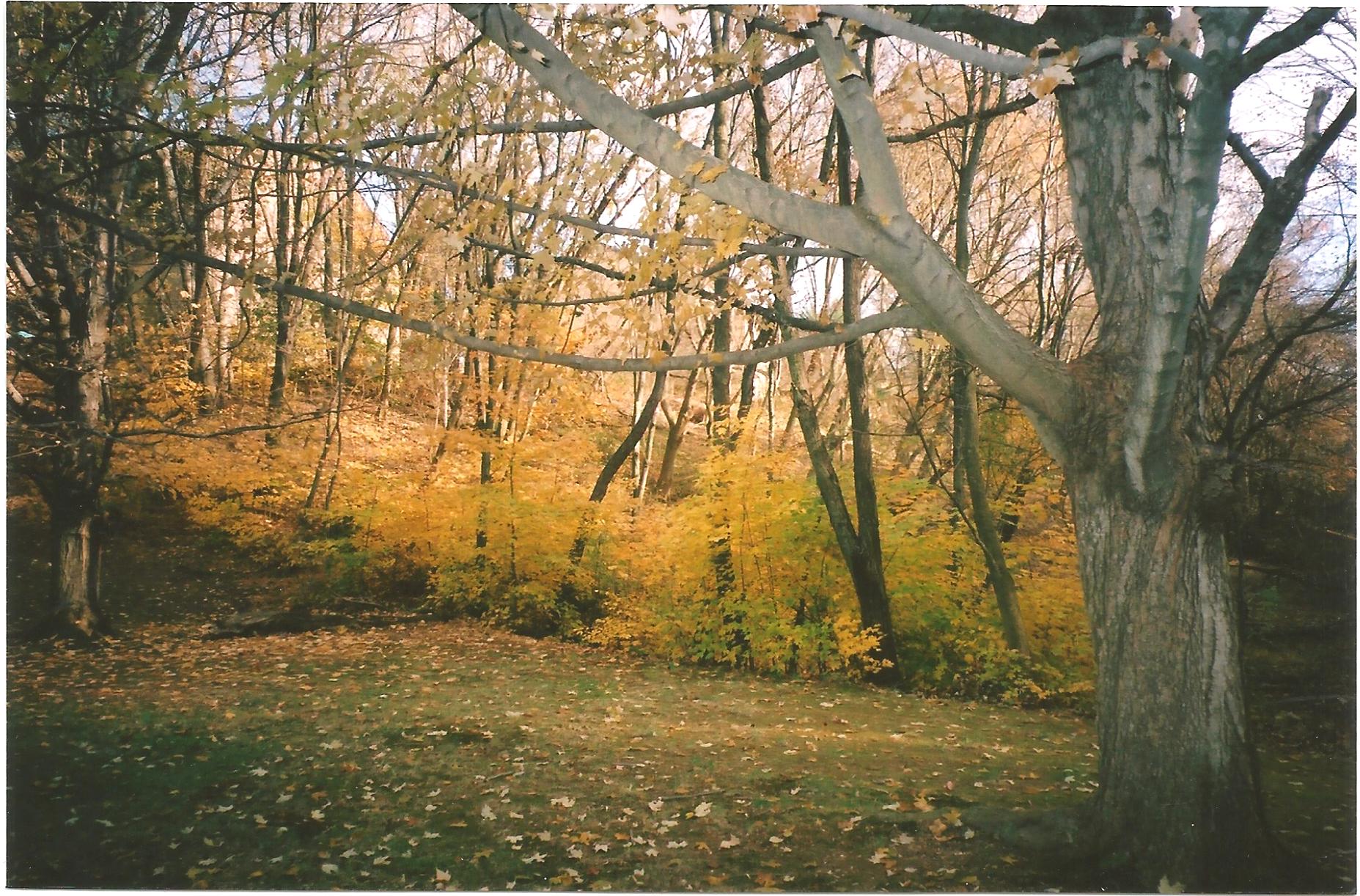
Photograph of South Valley Park – Copyright Cynthia Fain – taken in 2007

The odyssey of my healing commenced with my mother’s triumphant survival
over a life-threatening health ordeal in March 1990. Buried in the tapestry of
my memories, was a magical place called South Valley Park. It seemed like
another lifetime when I rode my bike around the park’s ponds during my
melancholy high school years.

After my mother returned home from the hospital in April 1990, a fresh
chapter of exploration unfolded within the serenity of South Valley Park. As I
descended the hill, on a balmy spring afternoon, a cascade of emotions engulfed
me.  In the distance, the reflective canvas of Walkers Pond glistened with ripples of water. The pond was bordered by lush woodland, and a whimsical creek which gracefully
wound its way through the heart of the park.

Finding places of healing is profoundly important for us all, especially
during these times of so much stress. Nature provides a solace, and we need to
prioritize preserving as much of our natural resources as possible. With people
spending so much time in frustrating traffic and sitting in offices with
technology, getting out into nature is vital to our mental and physical health.

In the months and years after my mother’s recovery, South Valley Park became
my daily ritual. In this place of tranquility, time seemed to slow, and the
park, became not just a destination but a journey through family memories and
exciting new vistas.

I encourage people to find respectful and compassionate relationships with
nature. As a frequent visitor to South Valley Park I became a protective
guardian of the creatures there. Sadly, people left fishing line and hooks in
the ponds, which resulted in deaths and injuries to waterfowl and turtles. When
injured wildlife was spotted, our wildlife rescue team (including myself) sprang
into action, and rushed the ailing waterfowl or turtle to our local licensed
wildlife rehabilitator.

In my role as a guardian of the park, I forged connections with a myriad of
its inhabitants, and among them, Mr. Drake stood out—a flightless duck that
made the Theater Pond his home. Defying the odds, he navigated the waters, a
courageous survivor without the sanctuary of a protective island. Vulnerable to
potential threats from predators or untethered dogs his resilience struck a
chord within me. This unique bond blossomed into a friendship that later became
a wellspring of inspiration for my first book, “Mystical Animals of
Ancient Oak.”

The enchanted hour preceding sunset was my favorite time for a walk, when
the very soul of nature awoke, serenaded by the chorus of birds bidding farewell
to the day’s dwindling sunlight. Weaving between the pond and the creek was an
invitation to embark on a twilight journey. After thunderstorms, I ran to the
bridge straddling the creek, and felt the powerful water racing under me.

During a torrential storm, a helpless duckling struggled to stay afloat in
the currents of the creek. Peeping loudly and fighting against the rushing
water, he looked close to drowning. I wasted no time calling a friend of mine
that worked for the Department of Natural Resources and he quickly rushed to
the park. Using a net, the duckling was rescued from the perilous creek, and
placed in the pond with a mother duck and her brood. I thanked Curt for taking
time to come out and help an animal in need.

Passionate about being a park protector, I joined the Montgomery Village
Environment Committee in the early 1990’s. As a member of this important
committee we did water quality monitoring and voted on many important
environmental issues. My years on this committee and walks at the park were one
of the most important things I have ever undertaken. Being a part of your
community, whether it is parks, schools or other charitable work is incredibly
important. It gets you out of isolation and feeling detached, and you can
contribute to a good cause.

Adventure out into nature with compassion and awareness, and always look for
nature to teach you and heal you. I pray that places like South Valley Park
will remain protected from harm for eternity. I still walk the park, looking
for inspiration and communing with the ducks, birds, and all of nature.

Copyright – December 2023 – Cynthia A. Fain

TRANSFORMING OUR VIEWS OF WILDIFE THROUGH COMPASSION

Pixabay License – Photo by Alain Audet

I often wonder how humans came to view wildlife as things to be controlled
through acts of violence. Over many years of becoming educated about global
animal protection issues, the staggering abuse of wildlife became all too
apparent.

In the United States, our government agencies often resort to violence when
dealing with a variety of wildlife issues. Anyone who has read my blog entries
over the last several years will see that I am very passionate about the need
for an entirely new perspective on wildlife.

Looking at the current trend of building densely packed suburbs full of
human conveniences, we have long forgotten the needs of wildlife. Where were
the plans for the needs of wildlife put, in any of these suburban designs?
These days if people see coyote or deer in their neighborhood, they act like
they don’t belong there. They forget – all their houses are built on what was
once the animal’s habitat.

This rampant deforestation is having devastating effects on wildlife, migratory
birds, water quality, air quality and human’s quality of life. Forests are
destroyed and land has been totally fragmented and paved over. Why can’t we
find a way to integrate more forest and greenspace among our human suburbs?

People act offended when deer come in their yard and eat their landscaping.
Why don’t people put themselves in the place of deer and find out what it is
like to have to navigate mansions where your habitat once was? Deer and other
wildlife are forced to cross busy roads and so often get brutally injured or
killed. Instead of viewing them as being in our way – please have compassion for the
injuries they suffer trying to find their way among human chaos.

Often I have attended local government meetings where homeowners complain
about deer and demand that more and more deer must be killed. I have
attended meetings in which the level of hysteria over deer was truly
frightening. So much ignorance and hatred has come over people regarding deer
populations. The first thing to remember is that wild animals roamed where your
houses are. They have had their habitat destroyed by human encroachment. How
were deer and other wild animals supposed to cross super highways? In a recent blog post I mentioned the incredible wildlife over passes that have been built to aide wildlife in areas where there are high mortalities. This is a major step in the right direction. 

Tonight is Thanksgiving, a time to honor the compassion and gratitude in
life. It is very important – to extend compassion to all those who are
vulnerable, be they human or animal. I came across a story on You Tube about a
woman who volunteered in Nigeria and came across a starving, abandoned baby.
Here is the link to the story: https://www.youtube.com/watch?v=2X-TlYEBVOI.
I loved this story. It shows how one act of stepping forward and providing
compassionate assistance, can lead to magical transformations.

One of the reason’s that I am posting the link to this story is because it
seems that some of the callous attitudes in modern times, are due to people losing
touch with deeper compassion. Attitudes have become too materialistic and not
focused enough on seeing the bigger picture in life. 

Why not dedicate a place in your yard for wildlife to seek refuge? Observe their patterns and get to know them. That will lead to break throughs in your ability to see solutions to living with these animals instead of building black metal gates to keep them out. One of the most disturbing trends today is the use of bow hunters to kill deer in the suburbs. Impaling deer with arrows is a sadistic and brutal way to deal with their presence among us.

If you look at the struggles we have created for wildlife, and further look
at the horrific violence (sport hunting, managed hunts, poisons, traps etc.),
we as humans, are quite lucky to have all the conveniences of cars, Internet,
google maps, grocery stores etc. Before we sanction more violence and animosity towards
deer etc., step back and ask yourself what can you learn from the deer? I truly
believe that all this hatred of deer in the suburbs is reminding people how far
we have come from living in harmony with nature and valuing nature. The whole
paradigm of reactive violence to wildlife needs to shift into a more
compassionate and holistic perspective.

Both human and animal lives deserve compassion. I hope people will look at
the deeper picture that is facing humanity when it comes to environmental and
wildlife issues. We need to add more forests and wildlife habitat into our
development plans. This needs to happen now and become the norm. People need
the songs of birds, clean air and sparkling streams and so do all life forms.
Trying to control species through violence is not the answer. Like the story mentioned in the link above, great and inspiring change comes from seeing the deeper picture in life and administering compassion.

ANIMAL ABUSE ON SOCIAL MEDIA

Pixabay License – Photograph by Nhudaibnumukhtar

THE PROLIFERATION OF ANIMAL ABUSE ON VARIOUS SOCIAL MEDIA PLATFORMS HAS BECOME EPIDEMIC. EVERY DAY NEW FACE BOOK POSTS WHICH CLAIM TO BE ABOUT HELPING ANIMALS- CLEARLY SHOW STAGED ANIMAL DISTRESS PHOTOS OR VIDEOS – WHICH REPRESENT SOME TORTURE OR DEATH OF ANIMALS.

THIS POST IS NOT SAYING THAT THERE ARE NO LEGITIMATE ANIMAL PROTECTION GROUPS OR POSTS ON SOCIAL MEDIA. BUT IT HAS BECOME MORE AND MORE IMPORTANT TO USE DISCRESTION BEFORE CHEERING ON SOME OF THESE RESCUES WHICH LOOK TOTALLY FAKE. TOO OFTEN THE HAPPY ANIMAL PHOTO IS TAKEN BEFORE THE ABUSE – AND IS NOT REALLY AN ANIMAL RESCUE.

TODAY I CAME ACROSS A SITE THAT CLAIMED TO SHOW CAT RESCUES. A KITTEN THAT LOOKED DECEASED AND WET, LAY NEXT TO A RAIL ROAD TRACK. THE CAPTION CLAIMED THE KITTEN WAS RESCUED. I SENT AN EMAIL TO THE SITE’S ADMIN TELLING THEM THE KITTEN LOOKED DECEASED AND ASKED WHY WAS IT SOAKING WET? OF COURSE I GOT NO RESPONSE. THERE WAS NO ACTUAL PHOTO OF A RESCUE OR ANY DOCUMENTATION…JUST THE KITTEN LAYING LIFELESS NEXT TO A RAILROAD.

IN ANOTHER POST – A DOG SUPPOSEDLY HAD WANDERED INTO A TAR PIT. THE DOG IN AGONY IS SHOWN BEING LIFTED OUT OF THE PIT. THEN A HAPPY DOG IS SHOWN AS THE RESCUE PHOTO. THE PEOPLE WHO POSTED THIS WANT US TO BELIEVE THAT A DOG WOULD HAVE ANY ATTRACTION TO HOT TAR AND THAT JUST RINSING HIM OFF WOULD REVIVE HIM. THAT DOG WOULD HAVE REQUIRED MAJOR EMERGENCY VETERINARY HELP IF THERE WAS ANY CHANCE OF HIM SURVIVING.

I HAVE SEEN COUNTLESS FACEBOOK POSTS THAT NEED INVESTIGATING. THERE NEEDS TO BE SOME WAY TO SCRUTINIZE THESE POSTS THAT INVOLVE ANY LIVING BEING THAT COULD BE IN HARMS WAY. RIGHT NOW PEOPLE WITH QUESTIONNABLE INTENTIONS AT BEST, ARE GETTING CLICKS AND MAKING MONEY STAGING THESE HORRNDOUS ABUSES.

I HAVE CONTACTED FACEBOOK A FEW TIMES TO REPORT POTENTIAL ABUSE BUT NOTHING HAS EVER COME OF IT. JUST DELETING A POST IS NOT THE ANSWER. WE NEED SOME TYPE OF SCRUTINY AND INESTIGATION. IT IS TOO EASY FOR SOCIAL MEDIA TO BAIT PEOPLE WITH THESE TITLES ABOUT A HELPLESS ANIMAL BEING RESCUED.

SOCIAL MEDIA COMPAINES NEED TO MAKE THIS A TOP PRIORITY IN THEIR FORMULATION OF WHAT IS ALLOWED AND HOW TO PROPERLY RESEARCH THESE POSTS FOR THIS TYPE OF TERRIBLE ABUSE.

MY QUESTION IS – WHY WASN’T THIS THOUGHT OF TO BEGIN WITH? SOCIAL MEDIA SHOULD NOT BE ANNONYMOUS. THERE SHOULD BE A LEGITIMATE WAY TO HAVE MANDATORY UPDATED CONTACT INFORMATION.

THE NON PROFIT ORGANIZATION, LADY FREE THINKER, HAS SUED YOU TUBE OVER IT’S ANIMAL ABUSE VIDEOS. HERE IS A LINK TO THEIR WEBSITE WHERE THEY DISCUSS THE PROLIFIC PROBLEMS OF SOCIAL MEDIA – ANIMAL ABUSE POSTS: https://ladyfreethinker.org/sign-remove-animal-cruelty-from-youtube/

THE ANIMAL WELFARE INSTITUTE HAS A VERY GOOD ARTICLE ON THEIR WEBSITE THAT DISCUSSES WHAT TO DO IF YOU COME ACROSS SUSPECTED ANIMAL ABUSE ON SOCIAL MEDIA. HERE IS THE LINK TO THAT ARTICLE – https://awionline.org/content/frequently-asked-questions-about-reporting-animal-cruelty

WHEN I COME ACROSS THESE FAKE ANIMAL RESCUE SITES – I OFTEN LEAVE A COMMENT UNDER THE POSTS TELLING PEOPLE THIS IS LIKELY ANIMAL ABUSE AND A FAKE SITE.

ALL SOCIAL MEDIA PLATFORMS NEED TO COME UP WITH A COMPREHENSIVE PLAN TO BLOCK AND INVESTIGATE THESE TYPES OF SITES. NOTHING IS MORE DISTURBING THEN ANY TYPE OF ANIMAL OR HUMAN ABUSE BEING CONDUCTED FOR SICK HUMAN PROFIT. PLEASE LEAVE A COMMENT BELOW AND LET ME KNOW WHAT YOUR IDEAS ARE FOR STOPPING THE PROLIFERATION OF ANIMAL ABUSE VIDEOS ON SOCIAL MEDIA.

Please note the photo above has nothing to do with social media animal abuse. It is a photograph I downloaded from Pixabay.

Copyright – Cynthia Fain – Oct. 2023 –