
GALLOPING TOWARDS A MORE HUMANE WORLD – PART II

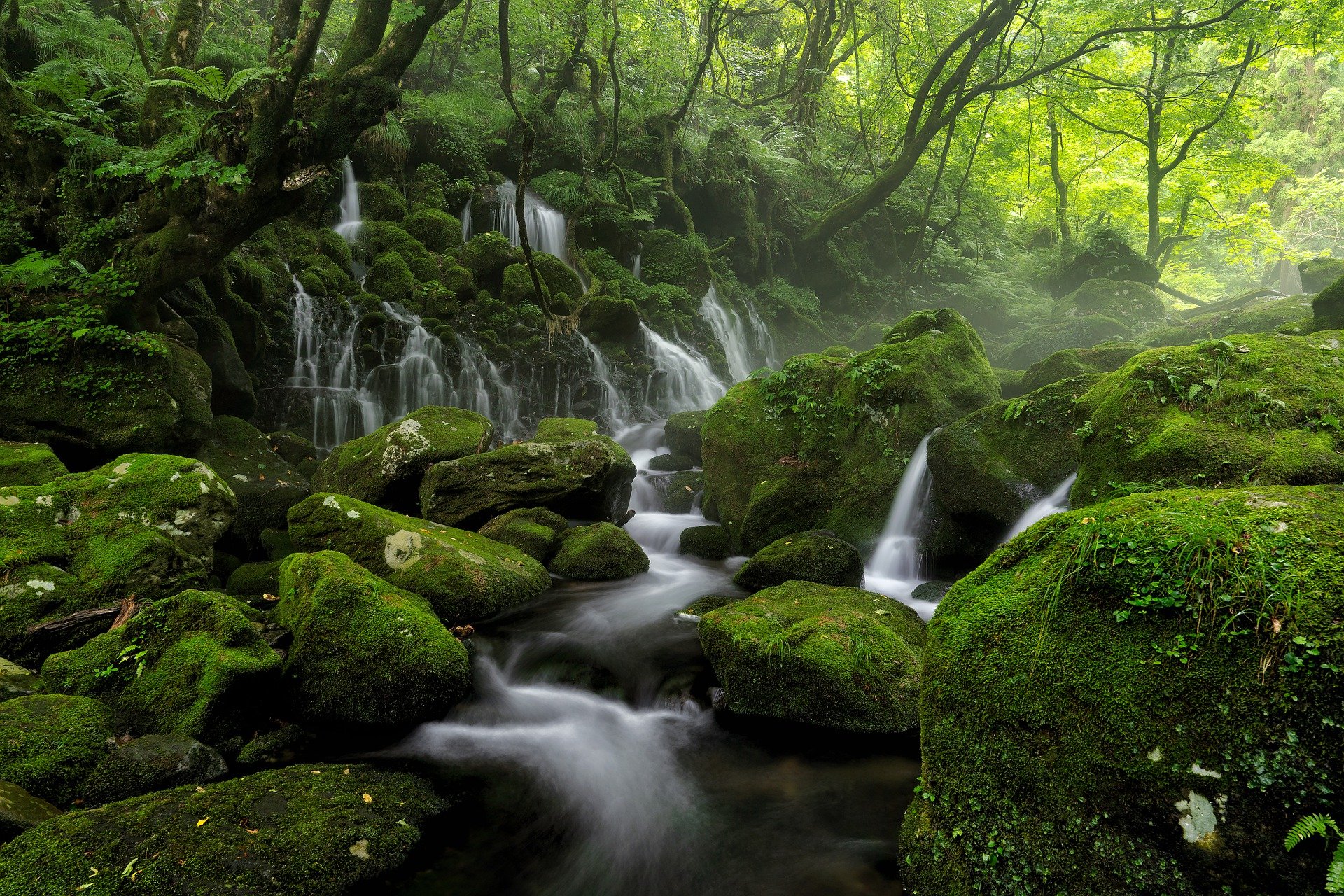
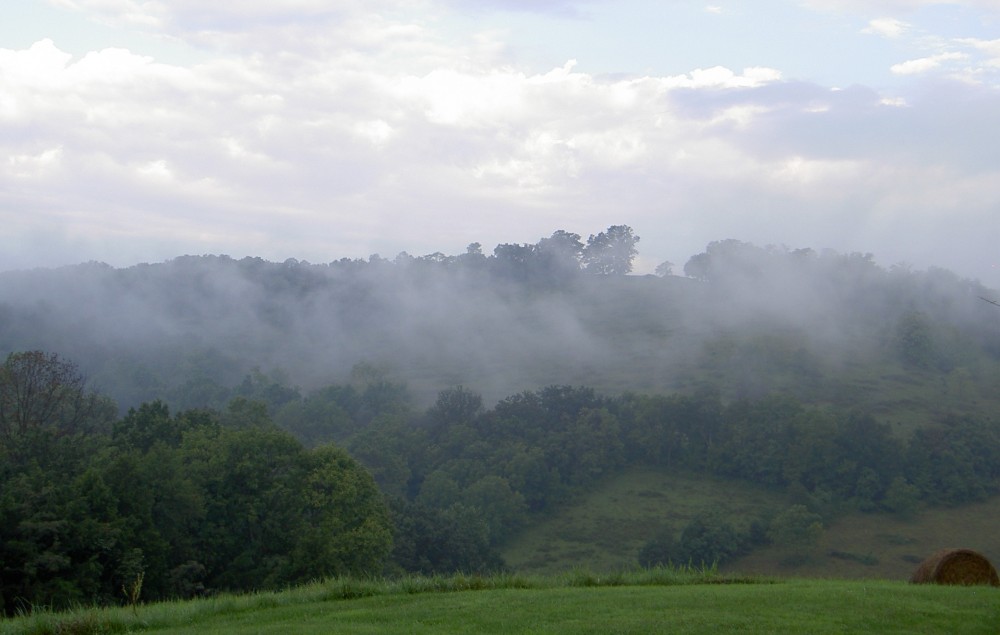
IMAGE BY KELLEPICS – PIXABAY LICENSE

IN MY PRIOR BLOG ENTRY I WROTE ABOUT THE IMPORTANCE OF POWERS OF OBSERVATION AND HOW WE CAN JOURNEY THROUGH THE EYES OF THE ANIMALS AND BIRDS AROUND US.

PEOPLE DO THINGS ALL THE TIME THAT ARE DETRIMENTAL TO NATURE AND THEY NEVER THINK ABOUT THE CONSEQUENCES.

WHY ARE PEOPLE STILL SPRAYING TOXIC PESTICIDES ON LAWNS? DON’T THEY UNDERSTAND THAT THE BIRDS AND MAMMALS ARE HAVING THEIR FOOD SOURCE COVERED IN CHECMICALS? AND THAT THOSE TOXINS RUN OFF INTO OUR GROUND WATER SUPPLY AND CREATE FURTHER CONTAMINATION?

I WILL NEVER FORGET THE BIRDS THAT WOULD COME TO OUR BALCONY AFTER OUR APARTMENT COMPLEX DID A SPRING PESTICIDE SPRAY. EVERY YEAR WE WOULD SEE BIRDS SICK AND DYING ON OUR BALCONY. IN AN ATTEMPT TO SAVE THEIR LIVES, I WOULD SCOOP THEM UP AND DRIVE THEM TO A LOCAL WILDLIFE REHABILITATOR.

AT ANOTHER APARTMENT WHERE I LIVED, I WROTE A LETTER TO THE PRESIDENT OF THE COMPANY ALERTING HIM TO THE FACT THAT THEIR PESTICIDE COMPANY WAS SPRAYING AN OVER LOAD OF CHEMICALS ONTO TREES WITH NESTING BIRDS. I ALSO MENTIONED THE FACT THAT THE CHEMICAL RUN OFF WAS DRAINING INTO THE CREEK AT THE BOTTOM OF THE HILL.

MY LETTER WAS A SUCCESS! THE PRESIDENT OF THE PROPERTY MANAGEMENT COMPANY WROTE ME BACK SAYING THAT THEY WERE SWITCHING OVER TO INTEGRATED PEST MANAGEMENT. IPM REDUCES THE NEED FOR PESTICIDES AND IT FOCUSES ON WAYS TO PREVENT DAMAGE FROM INSECTS.

MORNING RAYS OF SUNLIGHT CAST A GOLDEN GLOW THROUGH THE FOREST THAT SITS BEHIND MY HOME. MANY BIRD SPECIES, INCLUDING CARDINALS AND CAROLINA WRENS, LIGHT UP THE WOODLAND WITH THEIR SONGS.

ONE AFTERNOON I WAS PUTTING BIRDSEED OUT BACK WHEN I NOTICED A HOUSE WREN TANGLED IN SOME TYPE OF NETTING THAT WAS AROUND A BUSH MY NEIGHBOR WAS GROWING. THE WREN WAS FRANTICALLY TRYING TO FREE HIMSELF AND THE HARDER HE PULLED, THE TIGHTER THE NET WAS BECOMING. WHAT HAD BEEN PLACED AS A PROTECTION FOR THE GROWING BUSH, WAS NOW A POTENTIALLY LETHAL TRAP FOR AN UNSUSPECTING BIRD.

AT FIRST I ATTEMPTED TO FREE THE BIRD BY CAUTIOUSLY USING MY HANDS TO UNTANGLE HIM. BUT THE NET AROUND HIS NECK WAS PULLING TOO TIGHT FOR MY HANDS TO FREE HIM.

I RAN TO MY CAR AND GRABBED A PAIR OF SCISSORS AND CAREFULLY WORKED AT CUTTING THE NET AROUND HIS NECK.

FREEDOM FOR THE AILING BIRD WAS FINALLY ACHEIVED AS THE NET WAS CUT FROM HIS NECK! NOT KNOWING WHETHER THE FLUTTERING OF HIS WINGS WAS FROM INJURY OR EXUBERANCE, I FEARED HE MIGHT HAVE A BROKEN WING.

I WAS ELATED WHEN HE FLEW UP TO A BUSH AND SAT RECOVERING, AND THEN HE SOARED UP TO THE TREES IN THE FOREST.

AFTER THIS UPSETTING INCIDENT, I SPOKE TO MY NEIGHBOR ABOUT THE POTENTIAL HAZARDS OF THIS NETTING. UNFORTUNATELY THE NEIGHBOR NEVER TOOK THE NET DOWN, AND I GO OUT EVERYDAY AND CHECK IT FOR ANY BIRDS.

PEOPLE SHOULD MAKE IT A HABIT TO EDUCATE THEMSELVES ABOUT NATURE AND WILDLIFE AND MAKE SAFER AND MORE HUMANE CHOICES.

STAYING VIGILANT IS THE KEY TO HELPING OUR ANIMAL AND BIRD FRIENDS STAY SAFE. WHAT DO YOU SEE ON YOUR DAYS JOURNEY THAT COULD NEED A MORE SOLUTION? PLEASE SEND ME YOUR THOUGHTS ON THIS POST. WHAT IDEAS DO YOU HAVE FOR PROTECING WILDLIFE?

COPYRIGHT – AUGUST 2023 – CYNTHIA FAIN
GALLOPING TOWARDS A MORE HUMANE WORLD

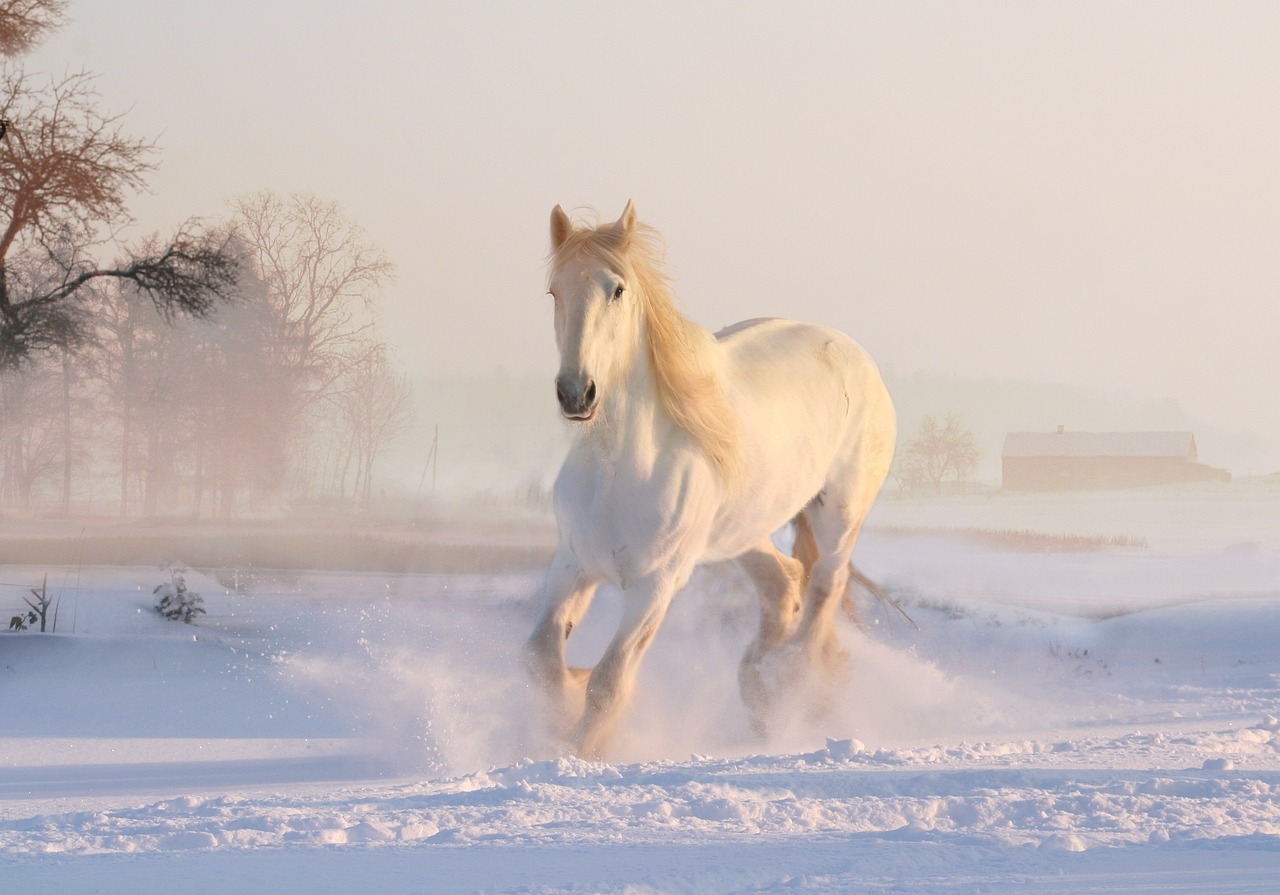
Photograph By kudybadorota – Pixabay License

One of my most passionate topics to write and teach about is what I call “powers of observation”…which many of us have clearly lost. Nature and wildlife are not supposed to be something that we take for granted and pave over. One of the worst things to come out of modern society is the tendency for people to blame deer and other wild animals for being a problem to us.

I prefer to look at this issue much differently. We need to go back and look at history and see how as humans developed cars, roads, and factories; the effects of all of this modernization was to place our priorities over that of nature. Instead of developing a plan that learned from animals we stampeded over their habitat.

When I look around the suburbs here in the Washington, DC area I get extremely frustrated at the lack of land preservation and the way planning did not work holistically with the earth and animals. There are ways to improve the quality of life for humans as well as wildlife. Instead of plowing over every ounce of nature, why don’t developers work with nature and still make money?

I once lived in an apartment complex that was bordered by a stream and woodland. After joining the community evironmental committee, I found out that the developer had paved over a beautiful pond filled with aquatic life. What was once a thriving eco-system was now a parking lot. That is just a tiny fraction of the loss of life and habitat that goes on behind the scenes of any development.

Why don’t developers go out to the land they are going to develop and think about something other then the money they are going to make? They should have to sit on that land and learn something from the land and the animals before they pave the whole thing over. Our planning agencies need to focus on retaining more green space so there is some habitat left for birds, wildlife and people.

We can envision and implement new types of development that would be far more attractive to humans as well as wildlife. Imagine developments where there are protected areas of forest and ponds. Today houses are built in super high density which puts too many people smashed together. There is nothing healthy about human over population and loss of habitat.

One of the greatest break throughs are wildlife over passes or tunnels, that are constructed over and under major highways throughout the world. You Tube has several good videos that show how wildlife over and under passes are major progress towards creating a more humane world.

I suggest that you keep a journal and watch the animals and birds around you. When you drive to work, when you are out at a park, or even in your yard – learn from the animals. The next time someone complains about the deer or other wild animals- I suggest you try walking in their challenges. See the world from their point of view. We need to increase our powers of observation to create a more balanced world that includes the creatures.

What ideas do you have that could help to build a more balanced and humane world? I would like to hear your thoughts on this issue.

Copyright – August 2023 – Cynthia Fain

BETWEEN A FOREST AND A HIGHWAY

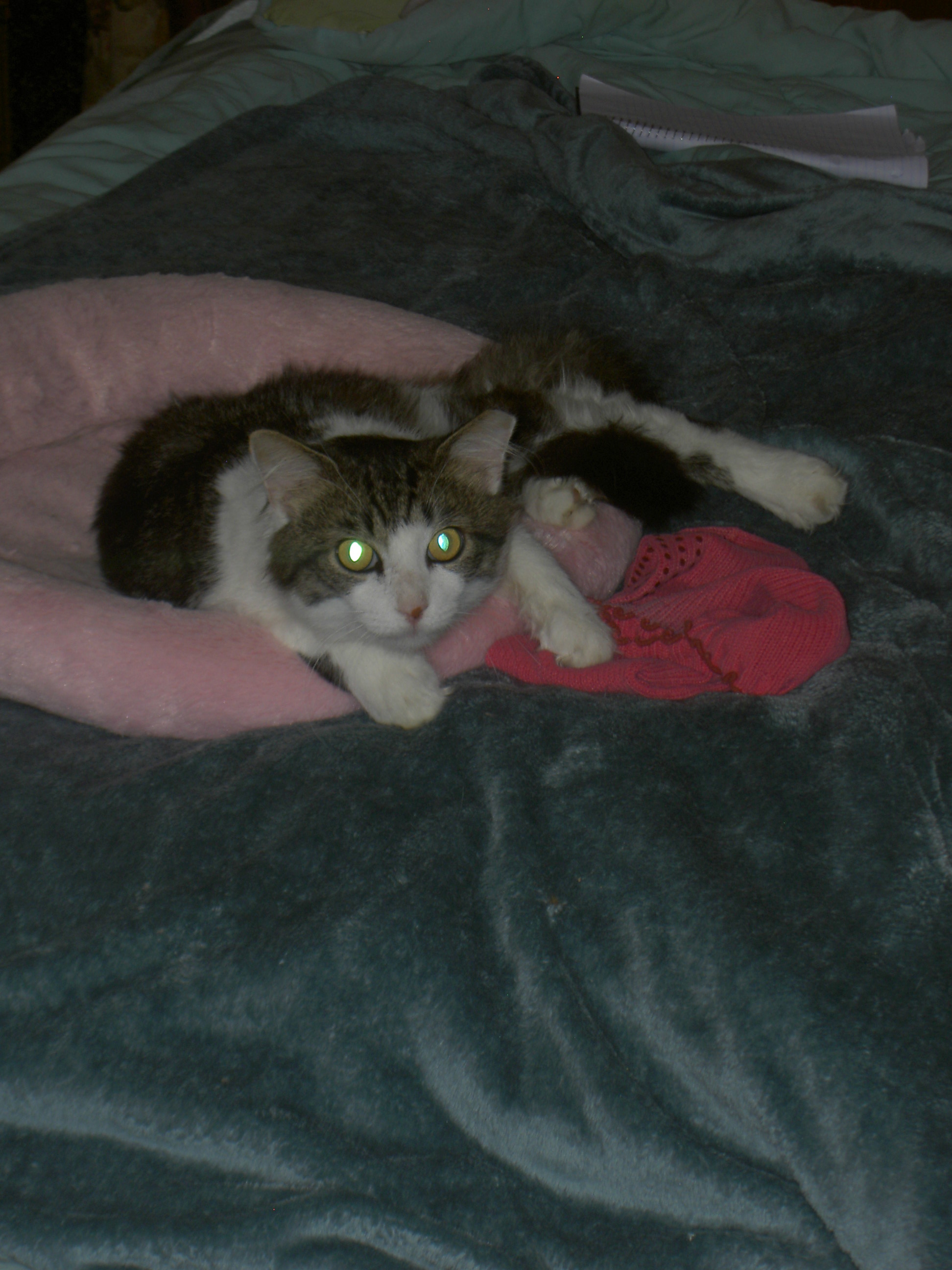
SCRUFFY

Photograph taken by Cynthia Fain – May 2017

Rescuing and fostering cats is a very powerful and moving experience. I first began my journey into the world of humane trapping and fostering cats way back in the 1990’s. Under the light of the full moon on a cold March night, I walked into the small patch of forest where stray cats often frequented. The chill of the night air numbed my face and hands as I used my flashlight to check the humane trap.

A pair of inquisitive eyes reflected through the trap as a grey and white tabby cat cautiously followed my every move.

I knelt by the humane trap and spoke to the frightened cat, “I haven’t seen you before. I won’t hurt you – I am here to help you.”

I gently picked up the trap, and carefully navigated my way down the hill and through the dark woods. As I walked up to my apartment, I sensed that this was someone’s abandoned pet as the cat did not act feral or in a panic.

Tragically, many of the strays I rescued were abandoned by heartless tenants who had moved out of the apartment complex where I lived. Left behind in the parking lot, fending for themselves, they often found their way to the cat houses and food I set up in the woods.

The name that came to me as I stayed up late into the night was Rocky. I regularly checked on Rocky and spoke to him and reassured him, that he would be taken care of.

The next morning I contacted Mary who generously fostered many abandoned cats. Due to my small apartment and the fact that I had 3 cats of my own, I sadly, was not able to keep him.

As I walked up to Mary’s, I was reminded that parting with a rescued cat is never easy. So many questions come to mind as I wondered who would eventually adopt him, and would they make a life commitment to him. I rang the doorbell and as Mary welcomed us I glanced around the room filled with cats who were all hoping for a happy home. I introduced her to Rocky and thanked her for the commitment she made to helping so many lost and abandoned cats.

Before leaving, I pet Rocky and gave a heart felt goodbye. I turned and looked at him one last time as I headed for the door. I hoped all the cats Mary cared for would find dependable caring homes and never end up abused or on the street again.

Years later, my cat rescue journey continued when I moved to the foothills of the Blue Ridge Mountains in Rappahannock County, Virginia. Situated at the top of a hill, the old bed and breakfast was surrounded by thousands of acres of forest.

One February evening, a woman who lived in one of the rental cottages came running up the driveway. Out of breath and clearly shaken, she said, “Two grey and white kittens and a mother cat were just abandoned at the foot of the driveway! A white pickup truck stopped and dropped them off. I tried to run after them to get the license tag but they sped off too fast. Whoever did this needs to be held responsible!”

I hurried down the long gravel driveway and searched the woods where the kittens and their mother were callously dumped. After finding no sign of the kittens or mother I alerted my neighbor who thankfully was a cat lover and an experienced rescuer. John assured me that he would keep an eye out for the mother and kittens. After their abandonment, I regularly left a bowl of water and a bowl of cat food out in the woods hoping the trio of cats would find this sustenance.

Weeks and months went by with no sign of the cats. I contemplated the fate of the two kittens and their mother, and how they could possibly survive being dropped off between a highway and forest. A busy 2 lane highway connecting Rappahannock County and Culpeper County was at the foot of our driveway. The huge expanse of forest, behind the Inn, was home to black bear, fox, bobcats, raccoons and many other animals. Until we were able to rescue each of them, the cats abandoned at our property had to carefully navigate between that busy road and the predators of the forest

Over several years, these two kittens and their mother were just a few of the abandoned cats on our property.

When I first arrived to the Inn, every night I saw a tabby cat peering into our house with sad forlorn eyes.

I began putting food and water out for him, and by the spring I was able to humane trap him. He had been camped out under our front porch and scavenging through the trash when the name Scruffy came to me. Another resident on our property said she too had named him Scruffy when she saw him peeking into her windows at night.

After a few months of fostering Scruffy, he found his happy home with my sister who is also a great rescuer of cats. Scruffy went from sleeping out in the cold, to King Tut at my sister’s house. He had his special beds and blankets and always commandeered the bowls of cat food.

With every unique cat or kitten that I have rescued and fostered, I always found it very difficult to say goodbye. Most of my rescue cats went to nonprofit cat rescue organizations that do adoptions. Each cat had their own very special story and personality. No cat belongs out in the wild fending for him or herself. I encourage everyone to stay aware and learn to recognize when any cat (or dog) is clearly abandoned, neglected or abused.

The protective guardians of nature looked over the two kittens that were abandoned in February 2019 on our property in Rappahannock County. Their miraculous story will be shared in my next book, “More Stories Along The Golden Path of Nature”.

In memory of Scruffy and many other rescued cats, please support cat rescue groups and be kind to any abandoned dog or cat that you come across.

Copyright – Cynthia Fain – 2023

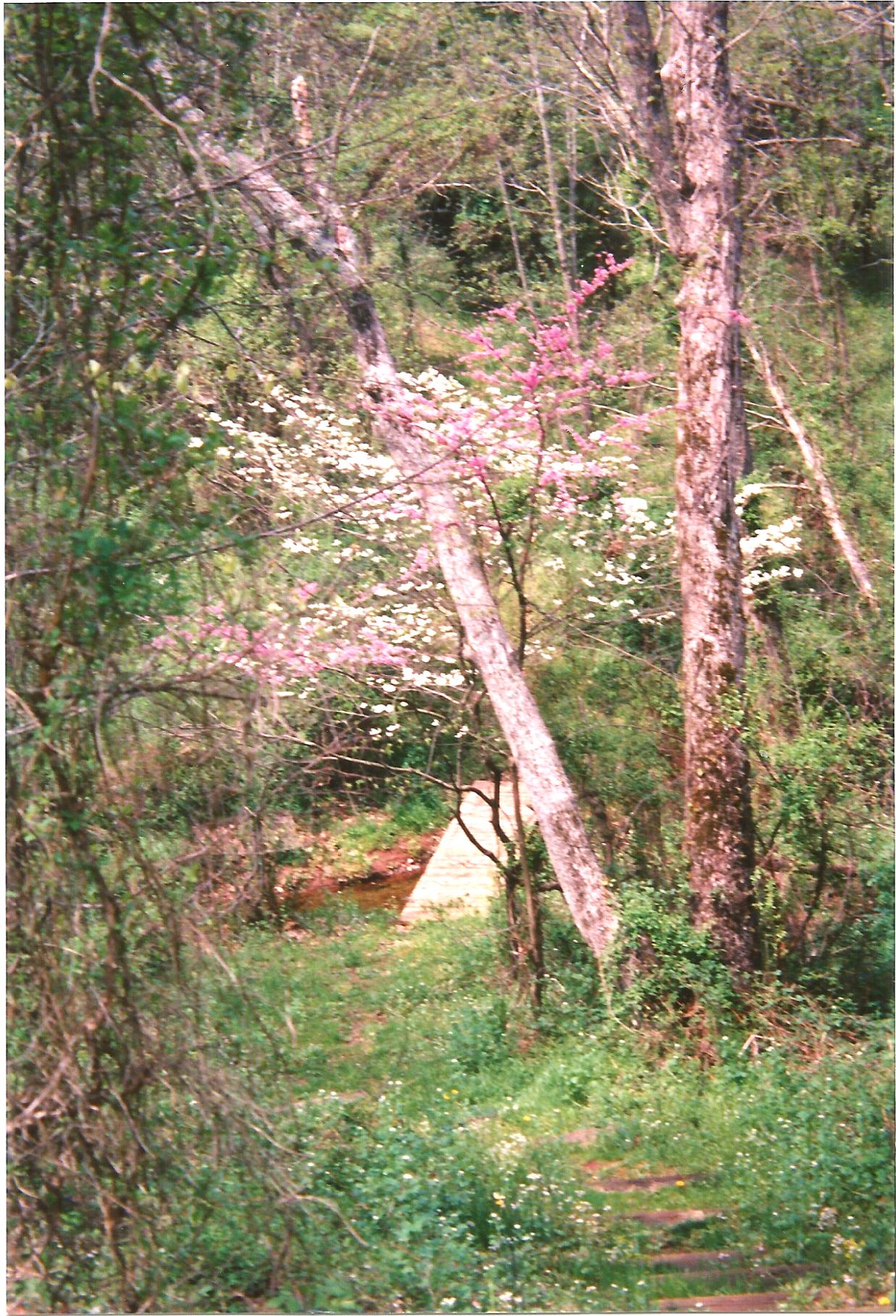
JOURNEY TO THE PEACE PARK – COPYRIGHT – MARCH 2023 CYNTHIA FAIN

Photograph by Cynthia Fain. Taken from The Blue Garden in the Peace Park – Poolesville, MD

The jewel of Montgomery County Maryland is it’s 90,000 acre Agricultural Reserve. This masterpiece of nature is heralded by many conservationists, hikers, nature lovers, bird watchers and cyclists. A lot of work goes into keeping this vast expanse of forest and farmland out of the hands of home builders. Preservation organizations keep vigilant watch over our planning agencies, because legislators need to be held accountable for keeping zoning regulations in tact, and focus their priority on protecting the Agricultural Reserve.

In the early 1990’s I read a newspaper article about a Buddhist Temple called Kunzang Payul Choling that was in the Poolesville, MD area in the Agricultural Reserve. I had never ventured into the Agricultural Reserve on foot, so this would be my first exploration beyond a drive through the country roads.

I was given a tour of the temple and shown the Prayer Room – including a beautiful array of crystals. After being shown around the temple I was delighted, to find out they had purchased 60 acres of land across the street, and were integrating magical gardens and trails into the woodland. What a treasure it was to have this park, with all it’s gifts right outside the incredilby hectic suburbs of Montgomery County Maryland.

One of my greatest joys was wandering off the trails and exploring hidden places in the forest. The park has five gardens: The Blue Garden, Red Garden, White Garden, Yellow Garden and Green Garden. Each garden has it’s own special charm, and the trails wind through forest, meadows, hills, valleys, and meandering streams.

After my mother passed away in the late night of November 2nd, 1999, the first place I ventured was the Peace Park early the next morning. Fresh from a night of crying, I headed out to the trail that leads to the Yellow Garden. After crossing over a stream, I navigated a hill with an obstacle course of large tree roots. At the top of the hill I came to the Yellow Garden. The chill of November air and barren trees made a stark contrast to the springtime , when the Yellow Garden transforms into a golden glow with forsythia and other yellow blooming flowers.

After my walk along the trail, I stopped at one of my favorite places in the park where a little earthen mound over looks the covergence of two streams. Getting to the streams was an adventure of grasping trees, while climbing down the mound and to the muddy shore. By the edge of the stream, I sat llistening to the water rippling over the rocks.

Six months after my mother passed away, my sister and I arranged to place a memorial bench in the Blue Garden at the Peace Park. Perched at the top of the hill, her bench, overlooked pink blossoming trees and a stream flowed through the forest below. The songs of woodthrush, cardinals and carolina wrens echoed through the trees and I knew we have found the perfect place for her bench.

We need to look at land conservation as a permanent committment and not sacrifice our natural heritage. Whereever you see a park, forest or farmland, always remember these places won’t be there without our committment to preservation. Connecting with nature and the healing of earth and streams needs to be a regular part of our lives. Take some time to unplug from all the electronic media and find your cherished place among nature.

In Montgomery County Maryland we are so fortunate to have our Agricultural Reserve and cherished spaces like the Peace Park.

For more information about the park, here is the link https://www.tara.org/stupa-peace-park-maryland/

JOURNEY TO THE PEACE PARK – COPYRIGHT – MARCH 2023 CYNTHIA FAIN

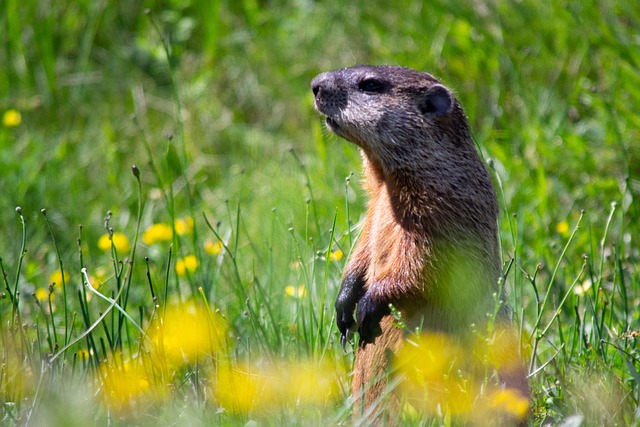
WHY A GROUND HOG’S LIFE MATTERS

Image by thenorthbaybay from Pixabay – Pixabay License

All living creatures have a right to live, be treated humanely and respected. In my heart, I believe that humanity needs to broaden its concept of other life forms and put more emphasis on building an inclusive world. We were never meant to construct our human world so selfishly, and trample on the lives of other beings.

One of my stories, written in my first book, Mystical Animals of Ancient Oak, is about a family of groundhogs that took over our yard. It was the sping of 1997 when an anxious groundhog mother foraged for things in our meadow and scrambled into her tunnels. We were delighted when several curious baby groundhogs emerged from their protective tunnels and began their mischevious explorations of our yard. The years at Ancient Oak brought me a deeper appreciation of the inspiration that all living creatures bring us.

On a breezy, sunny morning in August of 2022 I was driving out of my cul de sac in Culpeper, Virginia and I turned onto a side street heading towards the railroad tracks. A car drove towards me and thought I saw something blow across the road. After the car passed I was agonized to see that what was struggling in the road was a groundhog that had just been hit by a car. I could see no reason this motorist couldn’t have stopped, being that this side street had sparse traffic and there was no weather or anything obstructing vision.

Desperately stuggling to get out of the road, the dying groundhog gasped for breath. His body was in death throws and I knew that any rescue attempt would probably cause him more pain. On many occassions I have pulled over to rescue turtles, birds and other creatures that were hit ont he road. But the extent of the groundhog’s injuries left him taking his last breath. I felt such despair knowing that the driver could have easily slowed down to avoid this animal.

Sadlly this type of scene plays out whereever there are automobiles and roads. I know that a driver committed to safety for humans as well as animals can make a major impact in lessening these fatalities on the road. The first thing is that people need to stop thinking of animals as expendable road kill. Every animal values their life as much as we do as humans. That one groundhog was on his important mission that day simply trying to navigate his way on a Culpeper, Virginia side street.

Over the last decades as development has increased, with more cars on the road the level of agression in people has skyrocketed. We need to all slow down and make safety and compassion a priority over every man for himself type of driving.

I hope everyone reading this blog post will find it in their heart to remember that our cars and roads are treading on areas that were once forest and animal habitat. This blog post honors the life of a groundhog that was simply trying to navigate his way on a residential street in Culpeper, Virginia and lost his sacred life. Let’s remember as we hurry through our day to slow down and yield to other species as they embark on their day’s journey.

Compassionate Voices For Nature

COPYRIGHT FEBRUARY 2023 – CYNTHIA FAIN

THE IMPORTANCE OF LAND CONSERVATION

Pixabay License – Photo by Kanenori

One of the greatest experiences of my life was volunteering with the Maryland Environmental Trust. I began volunteering with this Maryland State Government Agency in 1996-1998 and eagerly went back in 2006-2008. MET places voluntary land conservation easements on farms, woodlands, and historic properties. A 15-year state and local property tax exemption on the unimproved land comes with the MET easement agreement. The easements on the property are permanent, making this an excellent and effective land preservation tool.

To ensure the easements are properly maintained – landowners must agree to be monitored by MET for compliance with the stipulations of the conservation agreement. My monitoring adventures took me to huge farms in the Agricultural Reserve of Montgomery County Maryland and in Frederick Maryland. I visited forests, historic civil war easements, and emerald green meadows.

Development pressures in our suburbs have created a major loss of forest and farm habitat. The loss of quality of life for humans and wildlife is staggering. As humans, we have to think of the long – term, not just a rush to capitalize financially.

In Montgomery County Maryland, we are fortunate to have the Agricultural Reserve! This land is protected by agricultural zoning. But there are always risks being posed to the Agricultural Reserve. Many organizations including the Montgomery Countryside Alliance fight very hard to keep intrusions out of the reserve. I have testified many times at local legislative hearings regarding proposed developments that are not in alignment with the goals of the agricultural reserve. I encourage citizens to get out and take a firm stand against any type of development that poses serious environmental damage.

Land preservation needs to be a priority when areas are targeted for development. The tactics that developers and government agencies use to promote development – have fallen way out of alignment with what is sustainable for the future. Wildlife and birds have taken a brutal beating in areas where there is clear-cutting and massive pavement replacing what was once their sacred land. Imagine waking up one day and finding your home is gone or a highway is paved through your habitat.

To protect the future of our farms, forests, and green space please join a land trust or other land preservation organization. Exercise your civic rights to testify at legislative hearings; volunteer for an environmental organization and put your vision to work. A world without trees, clean air and water, green space, and abundant wildlife habitat is not a happy or sustainable outcome.

I hope to soon move back to Montgomery County and hike in the Agricultural Reserve! I miss it there. Long live our green heritage!

COPYRIGHT – APRIL 2022 – CYNTHIA FAIN

Please Help Stray and Feral Cats

Cat, Kitten, Tree, Curious, Tabby, Feline, Animal

Image by Kessa from Pixabay

Tonight I ask people to PLEASE help all the cats that have been left to fend for themselves. Stray and feral cats originated from someone who failed to take proper responsibility for spaying and neutering their cats. I have been involved in the humane trapping of cats and working with groups like Rapp Cats. It is so important to get these neglected animals to spay-neuter clinics and provide food, water, and some shelter. And when possible work with groups to responsibly adopt out the cats that are able to be tamed. I thank Rapp Cats for all their hard work in providing the cats of Rappahannock County with humane trapping, sheltering and responsibly adopting cats to interested families. Please feel free to share your story about cats that you have rescued. I have seen many success storiES IN MY MANY YEARS OF WORKING WITH STRAY CATS. IN FUTURE POSTS I WILL SHARE SOME OF MY STORIES OF WORKING TO RESCUE AND FOSTER STRAY CATS.

COPYRIGHT JANUARY 2021 – CYNTHIA FAIN

A Christmas Wish to Return Compassion Back To Nature

Image by ArtTower from Pixabay

Here it is Christmas Eve, and I came across an extremely upsetting video on You Tube. This evening after, dark I thought I heard a wild animal hurting a cat. I wondered if it was a bear vocalization that I heard before the cat cried.

I ran out and got my flashlight and yelled out into the woods to try and find the cat. After the cat cried, everything went silent. I went inside and searched You Tube for the cries of a black bear.

I found a You Tube video of a bear cry and it turned out to be a video that a bow hunter took of a bear that he shot with an arrow. The video is tragic beyond words….the person who reposted this video is apparently an animal activist who was intent on showing the world what we humans do not want to hear. All those bullets and arrows randomly shot into wild animals for supposed sport – is no sport at all. It is barbaric and totally unacceptable that any form of violence to animals is viewed as a sport. Arrow wounds can lead to a prolonged death from bleeding, and the sounds of terror coming from this black bear would cause anyone but a sociopath to know that this is not what humans should be doing to our wildlife.

I encourage people to ask questions and not just think that hunting is solving wildife over population issues, etc. We need to look at the suffering of the animals and how we as humans have over taken their habitat and normal trail ways.

Make it a regular intention to go out and do something compassionate for the deer, bear and other wildlife – honor their pathways and learn from them.

I know this is a serious post on Christmas Eve, but isn’t Christmas supposed to reflect brining in the light and compassion to the planet for people, animals and nature?

The Sacred Lives We Miss: A Call for Compassionate Driving

Pixabay License – Photographer ELG21

I want to address our human indifference to all the animals that are killed every year by automobiles.

For decades, this has been an agonizing issue. I’ve never understood why humanity became so immune to it. When we engineered our modern world, the wild creatures we share this planet with were tragically left out of the plan. This disregard established a horrifying norm, reducing sacred lives to the regrettable term: “road kill.”

As anyone can see from my blog entries, I am passionate about bringing awareness to this issue.

Every time I drive by an animal that has been hit by an automobile, I always say a prayer for that animal, and I look to see if the animal shows any signs of life. I do that by slowing down, and if necessary, when it is safe, pull over to check on the animal. When we created our modern world the wild creatures were left out of the plan. Too often domestic animals like cats and dogs, as well as wild animals are seen as “road kill”. This regrettably became a horrifying norm the world over.

Today I drove by a deer lying on the side of the road on Route 522 in Culpeper, VA. She was probably hit today.  After seeing her mangled body, eyes glazed over, and with crumpled legs, I thought it was time for people to recognize that animals have very important lives! They are not just in our way as we hurry down the road. If people would slow down and honor life as much as they do speeding – far fewer wild animals and people would be killed on our roads.

Please share this message to spread the word that animal’s lives are sacred. But beyond prayer and spreading awareness, there are concrete ways we can—and must—change this horrifying norm.

There are a number of effective things you can do as a driver to reduce the chances of hitting animals while driving.

Be extra vigilant during dawn and dusk. Most collisions with deer and other large mammals happen during twilight hours when these animals are most active and visibility is lowest. A simple, personal commitment to slow down significantly along with scanning of the roadside during these times could save countless lives.

When you see forest habitat – you are more likely to encounter animals. Drivers should be trained to recognize and react to signs of wildlife habitat near the road. For example, when driving through a densely wooded area, near a river, or past open fields, drivers should slow down and be prepared for animals in need of crossing.

If you see one deer, or even a single raccoon or opossum – prepare for more to cross. Don’t assume that because you see one wild animal, there aren’t more coming to cross the road.

Recently we have seen exciting news stories about wildlife over passes that are built over huge highways. Many species of animals have been seen safely using these amazing over passes. The Greenland Wildlife Overpass will be one of the world’s largest wildlife overpasses. This link takes you to an article published by Colorado Public Radio – https://www.cpr.org/2025/07/09/i-25-wildlife-overpass-bridge/. This overpass is located between the towns of Larkspur and Monument in Colorado.

There is another major wildlife crossing being built – this one is in California.  The Wallis Annenberg Wildlife Overpass, which is currently under construction, will also be one of the world’s largest wildlife crossings. Here is a link to information about the Wallis Annenberg Wildlife Crossing – https://annenberg.org/initiatives/wallis-annenberg-wildlife-crossing/. It is located at Liberty Canyon and the 101 Freeway in Agoura Hills.

These monumental projects, like the new crossings in Colorado and California, represent a huge progressive step in the right direction. They prove that we can correct our past oversights and engineer safe passage for our wild neighbors. But infrastructure alone is not enough. The best thing we can do—the thing that requires no legislature, only heart—is to remain vigilant and slow down when we are driving. Our entire perception of who we are on this planet must change to a much broader concept of living with other species. Let’s make it a global priority: Drive with compassion, invest in coexistence, and ensure every animal’s life is treated as sacred.

What ideas do you have for making the world a safer place for animals? Let’s move forward with new humane technologies and driving.

Copyright Oct. 2025 edited version – (originally posted Dec. 2020)

Finding The Solace In Nature

I am sorry that I have not written a post in so long. My journey of writing my first book Mystical Animals of Ancient Oak is really the story of my life. It is a story of finding healing with a mother who recovered from years of alcoholism, and the great awakening into nature that soon blossomed. How thosetwilight walks around South Valley Park brought great joy and inspiration to my soul. Why was that flightless duck I came to name Mr. Drake so important? He symbolized the essence of what people so often tread over in their daily lives. I had not visited South Valley Park in years and recently had an emotional visit there. No matter how old I get those days will always be the most important times of transition. Everyone needs to stop and re-connect with a special place in nature. Take time to unplug from all the fear around the Covid Virus. Find somewhere to honor and protect so that it will be there for future generations.