

Pixabay License – Photographer ELG21
I want to address our human indifference to all the animals that are killed every year by automobiles.
For decades, this has been an agonizing issue. I’ve never understood why humanity became so immune to it. When we engineered our modern world, the wild creatures we share this planet with were tragically left out of the plan. This disregard established a horrifying norm, reducing sacred lives to the regrettable term: “road kill.”
As anyone can see from my blog entries, I am passionate about bringing awareness to this issue.
Every time I drive by an animal that has been hit by an automobile, I always say a prayer for that animal, and I look to see if the animal shows any signs of life. I do that by slowing down, and if necessary, when it is safe, pull over to check on the animal. When we created our modern world the wild creatures were left out of the plan. Too often domestic animals like cats and dogs, as well as wild animals are seen as “road kill”. This regrettably became a horrifying norm the world over.
Today I drove by a deer lying on the side of the road on Route 522 in Culpeper, VA. She was probably hit today. After seeing her mangled body, eyes glazed over, and with crumpled legs, I thought it was time for people to recognize that animals have very important lives! They are not just in our way as we hurry down the road. If people would slow down and honor life as much as they do speeding – far fewer wild animals and people would be killed on our roads.
Please share this message to spread the word that animal’s lives are sacred. But beyond prayer and spreading awareness, there are concrete ways we can—and must—change this horrifying norm.
There are a number of effective things you can do as a driver to reduce the chances of hitting animals while driving.
Be extra vigilant during dawn and dusk. Most collisions with deer and other large mammals happen during twilight hours when these animals are most active and visibility is lowest. A simple, personal commitment to slow down significantly along with scanning of the roadside during these times could save countless lives.
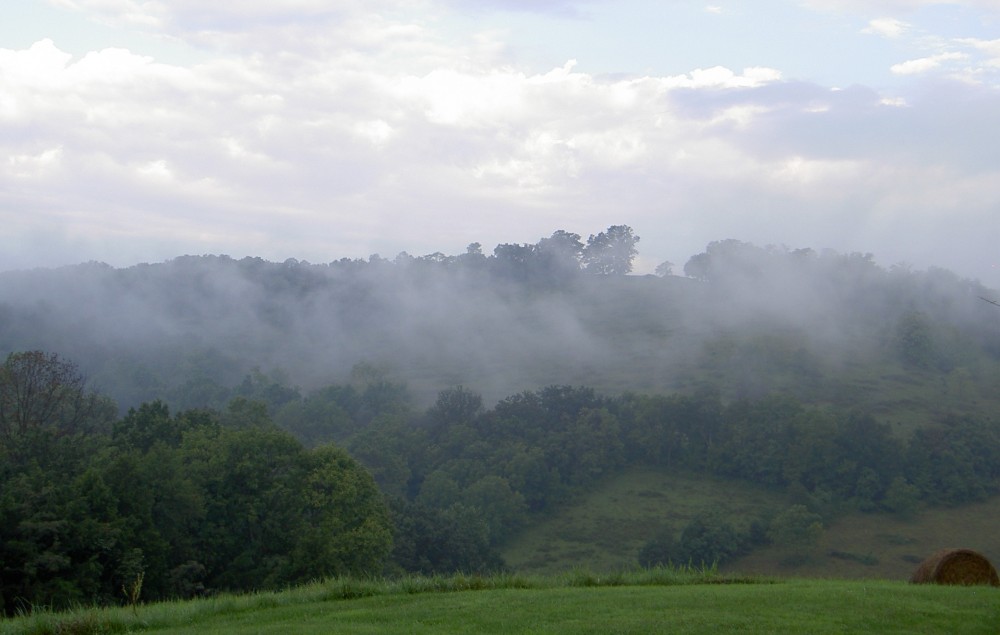
When you see forest habitat – you are more likely to encounter animals. Drivers should be trained to recognize and react to signs of wildlife habitat near the road. For example, when driving through a densely wooded area, near a river, or past open fields, drivers should slow down and be prepared for animals in need of crossing.
If you see one deer, or even a single raccoon or opossum – prepare for more to cross. Don’t assume that because you see one wild animal, there aren’t more coming to cross the road.
Recently we have seen exciting news stories about wildlife over passes that are built over huge highways. Many species of animals have been seen safely using these amazing over passes. The Greenland Wildlife Overpass will be one of the world’s largest wildlife overpasses. This link takes you to an article published by Colorado Public Radio – https://www.cpr.org/2025/07/09/i-25-wildlife-overpass-bridge/. This overpass is located between the towns of Larkspur and Monument in Colorado.
There is another major wildlife crossing being built – this one is in California. The Wallis Annenberg Wildlife Overpass, which is currently under construction, will also be one of the world’s largest wildlife crossings. Here is a link to information about the Wallis Annenberg Wildlife Crossing – https://annenberg.org/initiatives/wallis-annenberg-wildlife-crossing/. It is located at Liberty Canyon and the 101 Freeway in Agoura Hills.
These monumental projects, like the new crossings in Colorado and California, represent a huge progressive step in the right direction. They prove that we can correct our past oversights and engineer safe passage for our wild neighbors. But infrastructure alone is not enough. The best thing we can do—the thing that requires no legislature, only heart—is to remain vigilant and slow down when we are driving. Our entire perception of who we are on this planet must change to a much broader concept of living with other species. Let’s make it a global priority: Drive with compassion, invest in coexistence, and ensure every animal’s life is treated as sacred.
What ideas do you have for making the world a safer place for animals? Let’s move forward with new humane technologies and driving.
Copyright Oct. 2025 edited version – (originally posted Dec. 2020)


 Compassionate Voices For Nature